


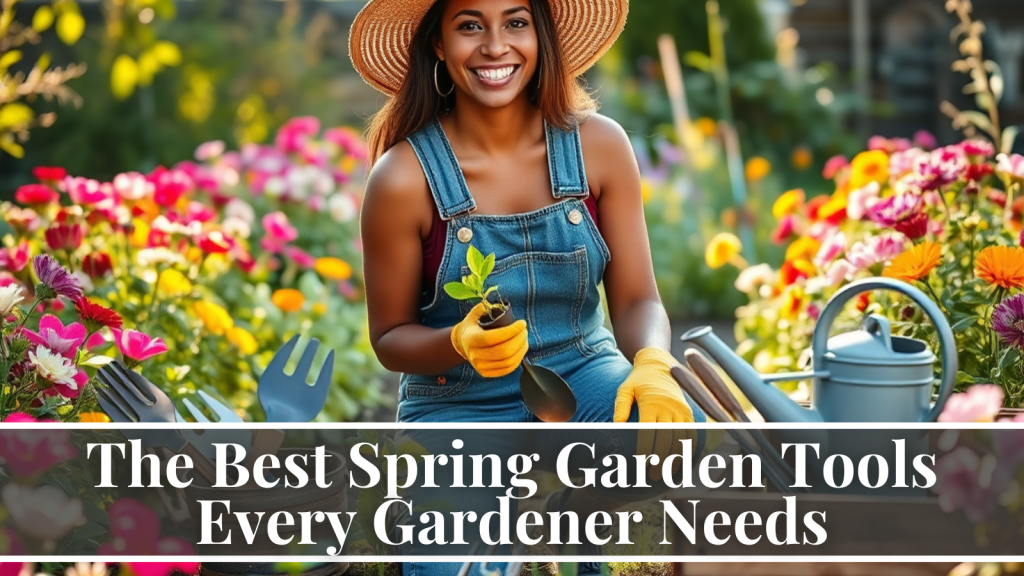
Spring is here, and it’s the perfect time to get your hands dirty and start planting. But before you dive into your garden, it’s essential to have the right tools to help you work efficiently and effectively. Whether you’re a seasoned gardener or just starting out, having the right gear can make all the difference in achieving a beautiful and productive garden. In this guide, we’ll walk through the best spring garden tools every gardener should have in their toolkit, why each one is important, and how to use it properly.


1. Trowel: The Ultimate Digging Tool
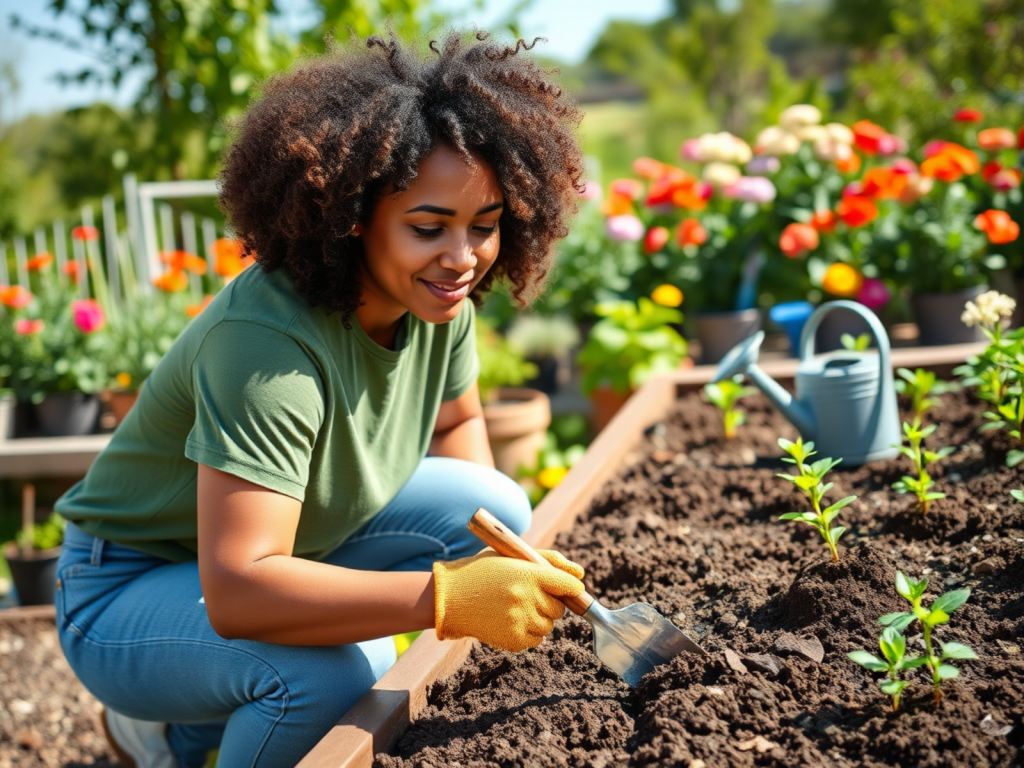
A trowel is a must-have for every gardener. It’s a small, handheld tool perfect for digging, planting, and scooping soil. Whether you’re transplanting flowers, digging small holes for seeds, or loosening soil, the trowel is your go-to tool.
Why It’s Important:
A trowel helps you easily dig without disturbing nearby plants, and it’s especially handy for planting bulbs, herbs, and small vegetables.
How to Use It:
Grip the handle firmly and use the blade to cut into the soil. When planting, make sure to dig a hole deep enough for your plant roots to spread out.
2. Pruning Shears: Trim Your Way to Healthier Plants
Pruning shears (also known as secateurs) are ideal for cutting back dead or diseased stems, branches, and flowers. They are perfect for shrubs, perennials, and even small trees.
Why It’s Important:
Regular pruning helps plants grow healthier, prevents diseases, and ensures better airflow in your garden. It also keeps your garden looking neat and well-maintained.
How to Use It:
When pruning, always cut at an angle just above a leaf node or bud to encourage new growth. Make sure your pruners are sharp for clean cuts and avoid cutting too much at once to avoid stressing your plants.

3. Garden Fork: Break Up Soil and Aerate Your Beds
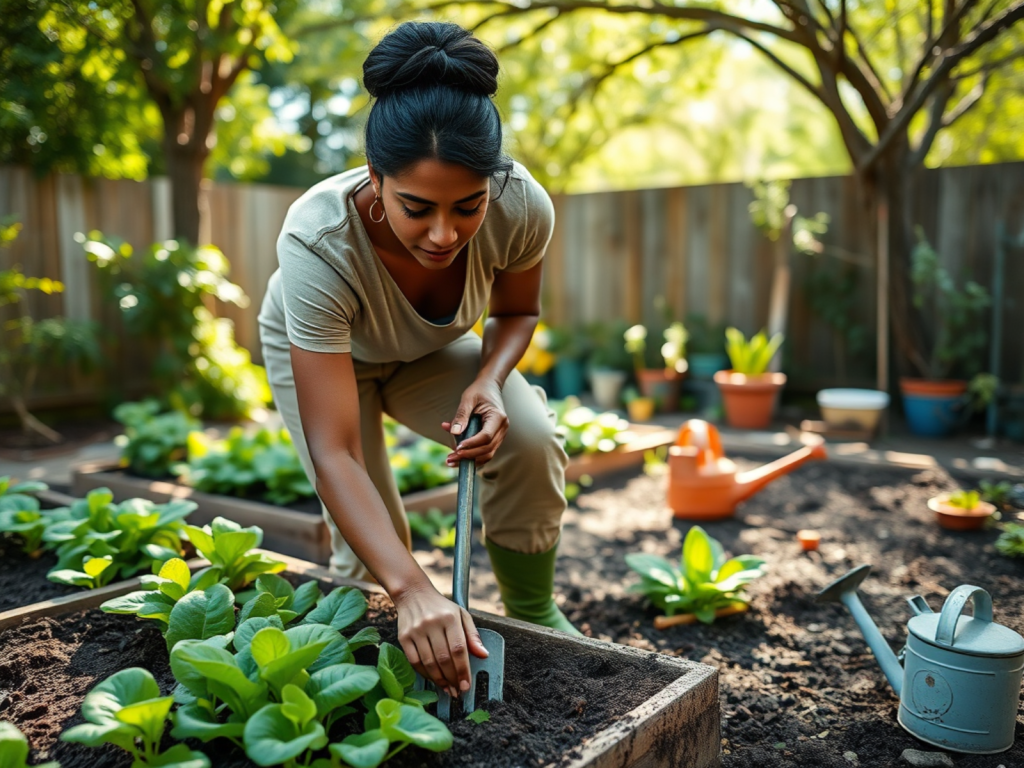
A garden fork is a versatile tool designed for breaking up soil, aerating garden beds, and removing weeds. It’s especially useful for loosening compacted soil and preparing garden plots for planting.
Why It’s Important:
The fork allows you to break up tough, compacted soil, improving aeration and water drainage—critical factors for healthy plant growth.
How to Use It:
Push the fork into the soil, then rock it back and forth to loosen the earth. It’s perfect for mixing compost into the soil or turning your garden beds.
4. Watering Can: Keep Your Plants Hydrated
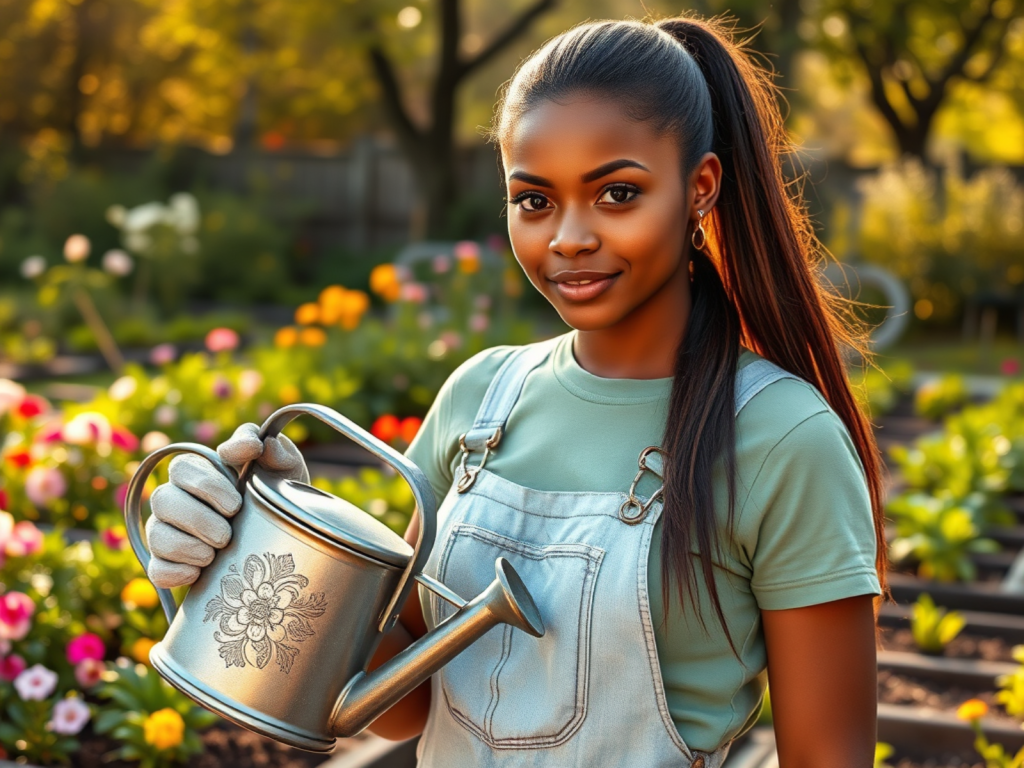
Watering cans are simple but essential tools for watering your garden. While garden hoses are great for larger areas, watering cans are perfect for precision watering, especially when caring for delicate plants or new seedlings.
Why It’s Important:
A watering can allows you to control the amount of water you provide and helps prevent overwatering, which can drown your plants. The spout ensures even water distribution.
How to Use It:
Fill your can with water and gently pour it at the base of your plants. Make sure to water deeply to reach the roots, and water early in the morning or late in the evening to avoid evaporation.
5. Garden Gloves: Protect Your Hands
Gardening gloves are a simple yet essential tool to protect your hands from dirt, thorns, and potential chemicals or pesticides. They also help prevent blisters and calluses.
Why It’s Important:
Gloves protect your hands from rough or prickly plants and sharp tools. They also help keep your hands clean, making gardening more enjoyable.
How to Use It:
Choose gloves that fit snugly but still allow you to move your fingers freely. Opt for breathable fabrics like cotton or leather for comfort and protection.

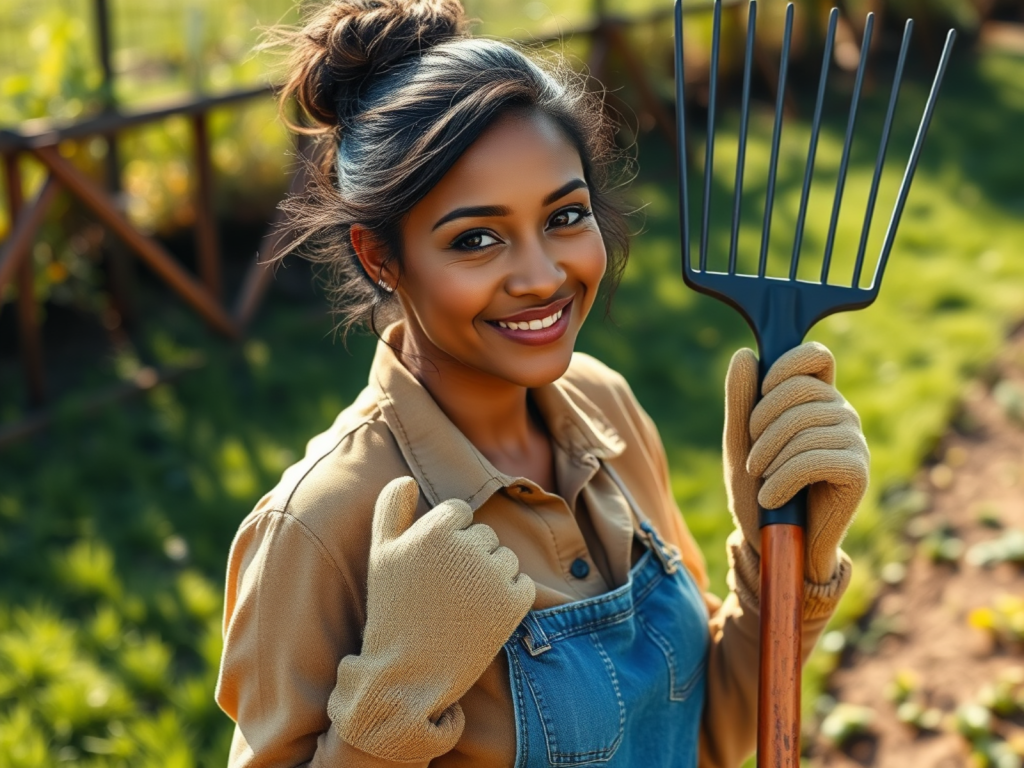
6. Rake: Keep Your Garden Neat and Clean
A rake is an essential tool for clearing leaves, grass clippings, and other debris from your garden beds and lawn. It’s also great for leveling soil and spreading mulch.
Why It’s Important:
Raking helps prevent the buildup of dead plant matter that can harbor pests and diseases. It also keeps your garden tidy and allows your plants to breathe and grow.
How to Use It:
Use the rake to gather debris in piles for easy disposal or composting. When leveling soil, gently drag the rake across the surface to create an even layer.
7. Garden Hoe: Easily Remove Weeds
A garden hoe is a fantastic tool for cutting through weeds, breaking up soil, and creating furrows for planting seeds. It’s especially helpful for larger garden plots.
Why It’s Important:
The hoe is designed to uproot weeds and cultivate the soil, helping to prevent weeds from competing with your plants for nutrients and water.
How to Use It:
Push or pull the hoe just under the soil surface to remove weeds. Use a chopping motion to break up the soil and make furrows for planting.
8. Compost Bin: Recycle Organic Matter into Nutrient-Rich Soil
A compost bin is essential for any eco-conscious gardener. It provides a place to recycle kitchen scraps and yard waste into nutrient-rich compost, which can be used to enrich your soil.
Why It’s Important:
Composting reduces waste and provides a sustainable way to fertilize your garden naturally. Homemade compost improves soil quality, promotes healthy plant growth, and helps retain moisture.
How to Use It:
Fill your compost bin with a mix of green (e.g., vegetable scraps, grass clippings) and brown (e.g., dried leaves, cardboard) materials. Turn the pile regularly to aerate it, and in a few months, you’ll have rich, dark compost for your garden.

9. Seed Starting Tray: Grow Your Plants Indoors
For gardeners looking to get a jump start on the growing season, seed starting trays are a game-changer. They allow you to start seeds indoors and transplant them outside once the weather warms up.
Why It’s Important:
Seed trays give your plants the ideal environment to germinate and grow strong before they’re exposed to the elements. They save time and ensure healthy starts for your garden.
How to Use It:
Fill the seed trays with soil, plant your seeds according to package instructions, and keep them warm and moist until the seedlings are ready to be transplanted outdoors.

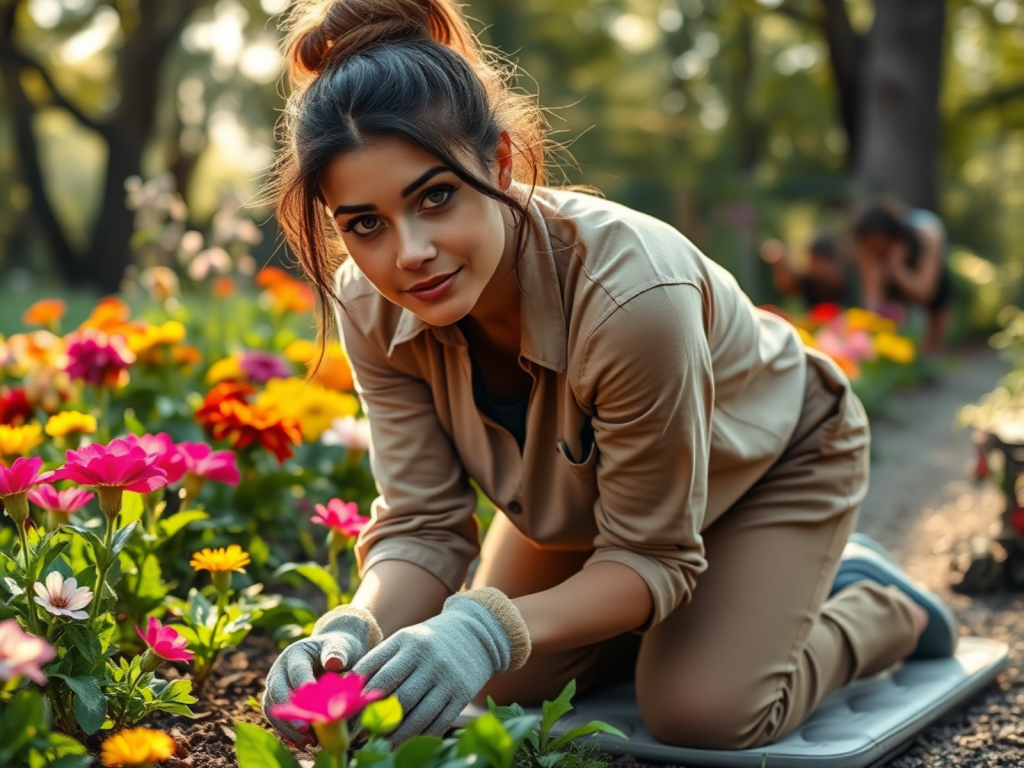
10. Garden Kneeler and Seat: Comfort While You Work
Gardening can be hard on your knees and back. A garden kneeler and seat allows you to work comfortably while planting, weeding, or pruning without straining your body.
Why It’s Important:
The kneeler and seat offer a soft, elevated surface for working, preventing knee pain and reducing back strain. It also doubles as a seat, providing a convenient place to rest while you enjoy the fruits of your labor.
How to Use It:
Simply kneel or sit on the cushioned surface while gardening. Some kneelers even have pockets for holding tools, making it easier to access what you need while working.
Conclusion: Get Ready for a Successful Spring Garden
Having the right tools is key to a successful and enjoyable gardening experience. Whether you’re planting new flowers, growing vegetables, or simply maintaining your outdoor space, the proper gear makes the job easier and more efficient. With these essential tools in hand, you’ll be prepared for a bountiful and beautiful spring garden. Happy gardening!

What are your thoughts about the The Best Spring Garden Tools Every Gardener Needs Please share in the comments below. I really would love to know.
Until next time, shine amongst the stars!
‘This post may contain affiliate links


If you haven’t made enough money blogging, look into taking the
Complete Guide to Make Money Blogging for only
($10… WOW 95% Off for a limited time).


🌱 Ready to take your garden to the next level? Check out these essential spring garden tools every gardener needs! From trowels to compost bins, get prepared for a blooming season! #SpringGarden #GardeningTools #GardeningTips 🌸