


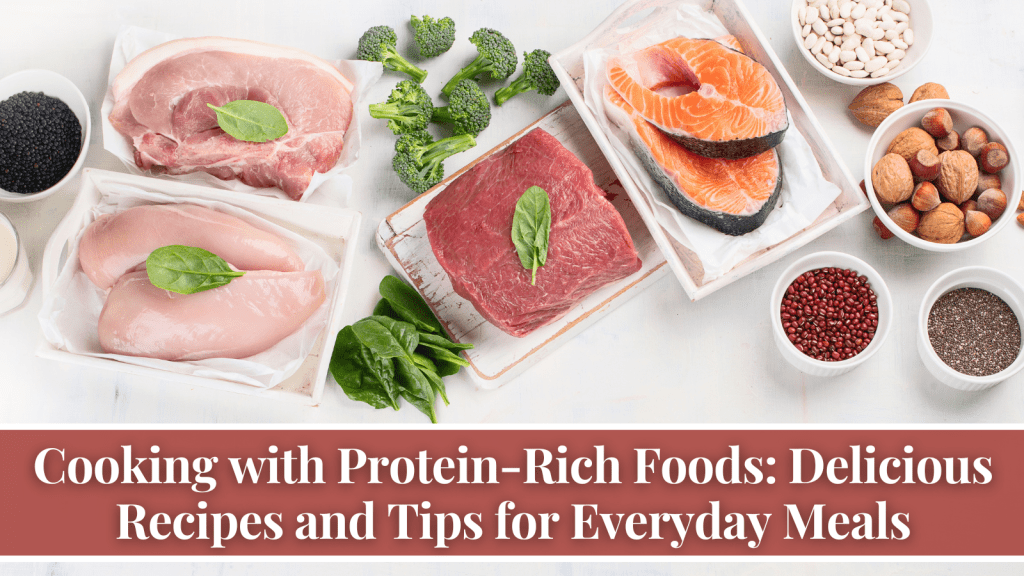
Incorporating protein-rich foods into your diet is essential for maintaining muscle mass, supporting weight management, and promoting overall health. Whether you’re looking to boost your protein intake or simply enjoy more nutritious meals, this guide provides delicious recipes and cooking tips to help you integrate protein-rich ingredients into your everyday diet.
Why Protein is Important
Protein is a vital macronutrient that plays numerous roles in the body, including muscle repair, hormone production, and immune function. Ensuring adequate protein intake can help with:
- Muscle Growth and Repair: Essential for athletes and active individuals.
- Weight Management: Promotes satiety and helps regulate appetite.
- Overall Health: Supports metabolic processes and immune function.

Protein-Rich Ingredients to Include in Your Diet
1. Lean Meats and Poultry
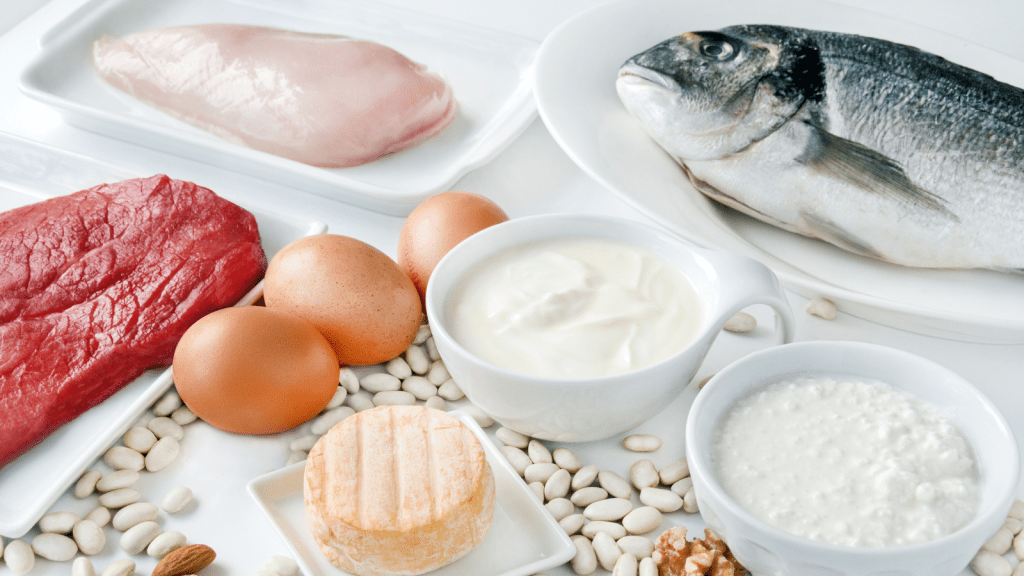
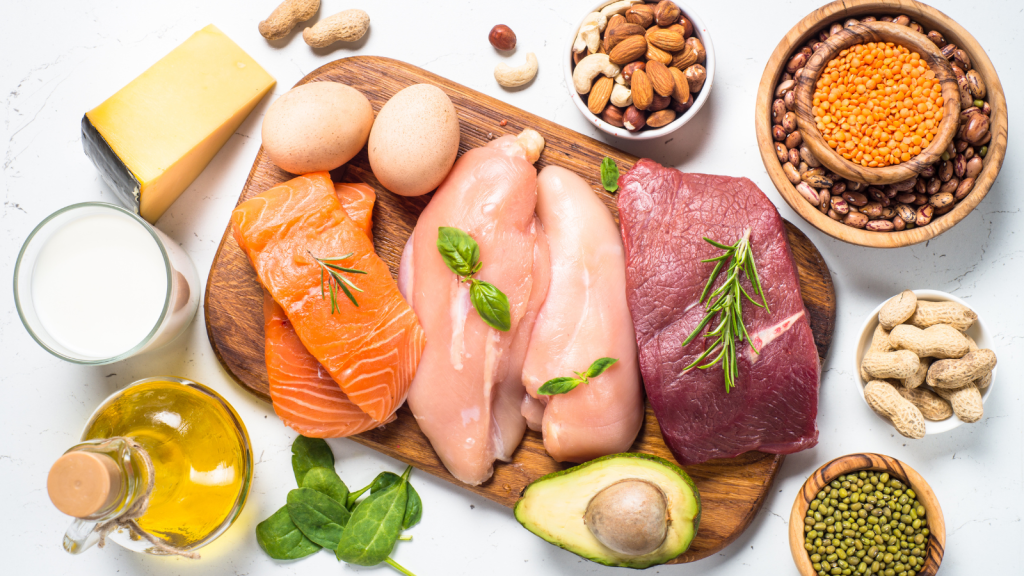
Lean meats such as chicken, turkey, and beef are excellent sources of high-quality protein. They are versatile and can be used in a variety of dishes.
2. Fish and Seafood
Fish and seafood are rich in protein and also provide healthy omega-3 fatty acids. Salmon, tuna, and shrimp are popular choices.
3. Eggs
Eggs are a convenient and affordable source of protein. They can be prepared in numerous ways, making them a staple in many diets.
4. Dairy Products
Dairy products like Greek yogurt, cottage cheese, and milk are packed with protein and essential nutrients like calcium and vitamin D.
5. Plant-Based Proteins
For vegetarians and vegans, plant-based proteins such as beans, lentils, tofu, tempeh, and quinoa are excellent options.
6. Nuts and Seeds
Nuts and seeds, including almonds, chia seeds, and hemp seeds, are not only rich in protein but also provide healthy fats and fiber.

Cooking Tips for Protein-Rich Meals
1. Combine Protein Sources
Mix different protein sources to create balanced meals. For example, pair beans with rice or mix tofu with quinoa for a complete amino acid profile.
2. Use Protein in Snacks
Incorporate protein-rich foods into your snacks. Greek yogurt with berries, a handful of nuts, or a protein smoothie can keep you full between meals.
3. Experiment with Seasonings
Enhance the flavor of protein-rich foods with herbs, spices, and marinades. This can make your meals more enjoyable and nutritious.
4. Batch Cook
Prepare large batches of protein-rich dishes to save time and ensure you always have healthy options available. Cooked chicken breast, hard-boiled eggs, and lentil stew can be stored and used throughout the week.
5. Add Protein to Breakfast
Start your day with a protein-packed breakfast to keep you energized. Eggs, Greek yogurt, or a protein smoothie are excellent choices.

Delicious Protein-Rich Recipes
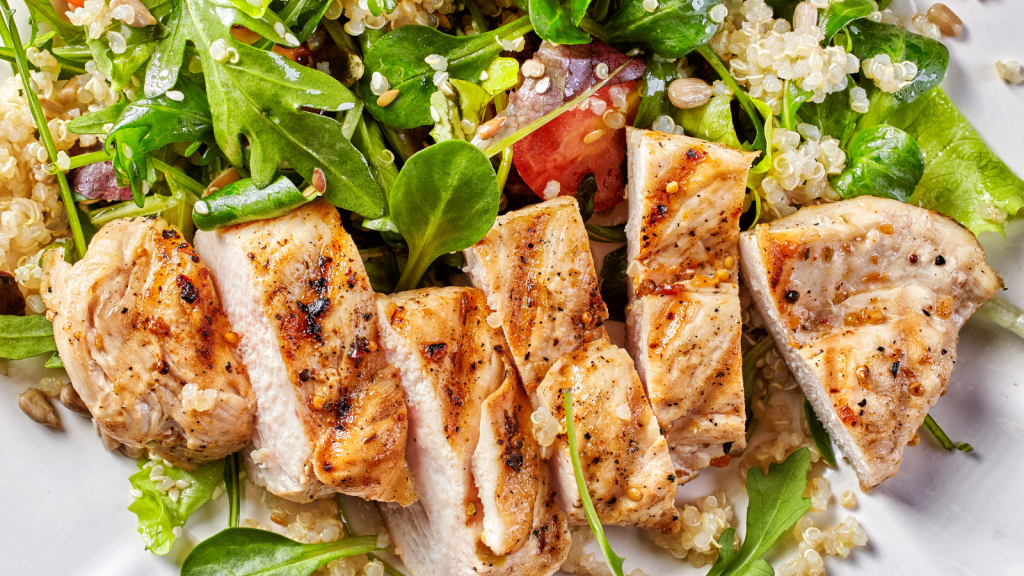
1. Grilled Chicken and Quinoa Salad
Ingredients:
- 1 cup quinoa, cooked
- 2 grilled chicken breasts, sliced
- 1 cup cherry tomatoes, halved
- 1 cucumber, diced
- 1/4 cup feta cheese, crumbled
- 2 tbsp olive oil
- Juice of 1 lemon
- Salt and pepper to taste
Instructions:
- Cook quinoa according to package instructions and let cool.
- In a large bowl, combine quinoa, chicken, tomatoes, cucumber, and feta cheese.
- Drizzle with olive oil and lemon juice, and season with salt and pepper.
- Toss to combine and serve.
2. Baked Salmon with Garlic and Herbs
Ingredients:
- 4 salmon fillets
- 2 tbsp olive oil
- 3 garlic cloves, minced
- 1 tsp dried thyme
- 1 tsp dried rosemary
- Salt and pepper to taste
- Lemon wedges, for serving
Instructions:
- Preheat oven to 375°F (190°C).
- Place salmon fillets on a baking sheet lined with parchment paper.
- In a small bowl, mix olive oil, garlic, thyme, rosemary, salt, and pepper.
- Brush the salmon fillets with the herb mixture.
- Bake for 15-20 minutes, or until the salmon is cooked through.
- Serve with lemon wedges.

3. Tofu Stir-Fry with Vegetables
Ingredients:
- 1 block firm tofu, pressed and cubed
- 2 tbsp soy sauce
- 1 tbsp sesame oil
- 2 garlic cloves, minced
- 1 bell pepper, sliced
- 1 cup broccoli florets
- 1 carrot, julienned
- 1/2 cup sliced zucchini
- 2 green onions, chopped
Instructions:
- In a large pan, heat sesame oil over medium-high heat.
- Add tofu cubes and cook until golden brown on all sides. Remove and set aside.
- In the same pan, add garlic and vegetables, and stir-fry for 5-7 minutes until tender-crisp.
- Return tofu to the pan and add soy sauce. Stir to combine.
- Cook for another 2-3 minutes, then garnish with green onions.
- Serve over rice noodles, brown rice, or quinoa.

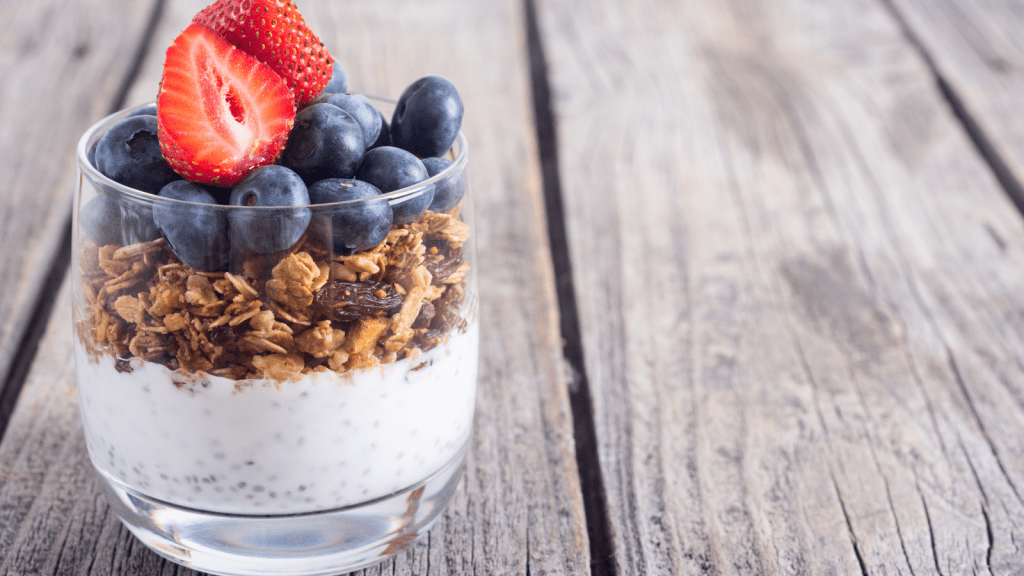
4. Greek Yogurt Parfait
Ingredients:
- 1 cup Greek yogurt
- 1/2 cup granola
- 1/2 cup mixed berries
- 1 tbsp honey
- 1 tbsp chia seeds
Instructions:
- In a glass or bowl, layer Greek yogurt, granola, and mixed berries.
- Drizzle with honey and sprinkle with chia seeds.
- Serve immediately for a quick and nutritious breakfast or snack.
Conclusion
Incorporating protein-rich foods into your diet doesn’t have to be complicated. With these recipes and cooking tips, you can enjoy delicious and nutritious meals that support your health and well-being. Remember to combine different protein sources, experiment with seasonings, and plan your meals to ensure you meet your protein needs every day.
Join ME on Social Media:
What are your thoughts about the Cooking with Protein-Rich Foods: Delicious Recipes and Tips for Everyday Meals Remember, sharing is caring! Let’s encourage each other every step of the way. Together, we can achieve amazing things. 🌟
Until next time, shine amongst the stars!
‘This post may contain affiliate links

If you haven’t made enough money blogging, look into taking the
Complete Guide to Make Money Blogging for only
($10… WOW 95% Off for a limited time).


Disclaimer: This post is for informational purposes only and is not a substitute for professional medical advice. Always consult with a healthcare provider or registered dietitian for personalized dietary recommendations and health concerns.
Sources:
- Phillips, S. M., & Van Loon, L. J. (2011). Dietary protein for athletes: From requirements to optimum adaptation. Journal of Sports Sciences, 29(suppl 1), S29-S38. Link
- Leidy, H. J., Clifton, P. M., Astrup, A., Wycherley, T. P., Westerterp-Plantenga, M. S., Luscombe-Marsh, N. D., … & Mattes, R. D. (2015). The role of protein in weight loss and maintenance. American Journal of Clinical Nutrition, 101(6), 1320S-1329S. Link
- Messina, V. (2014). Nutritional and health benefits of dried beans. The American Journal of Clinical Nutrition, 100(suppl 1), 437S-442S. Link
- Wolfe, R. R. (2006). The underappreciated role of muscle in health and disease. The American Journal of Clinical Nutrition, 84(3), 475-482. Link
- Paddon-Jones, D., & Rasmussen, B. B. (2009). Dietary protein recommendations and the prevention of sarcopenia. Current Opinion in Clinical Nutrition & Metabolic Care, 12(1), 86-90. Link