
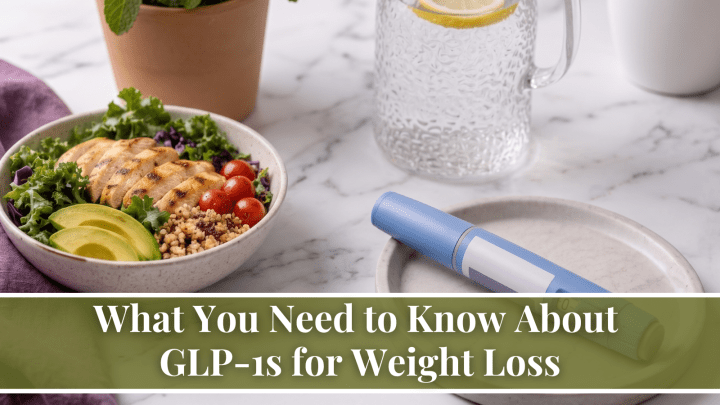
It seems like everyone is talking about GLP-1 medications right now. Because they’re all over social media, it’s easy to start seeing them as a quick or effortless fix.
Personally, I’ve always preferred a natural path to health, fitness, and weight loss. I love the daily rhythm of working with my body, focusing on high-protein meals, getting enough fiber, tracking my steps, and using structured fasting windows to stay aligned. That is the journey that feels right for me.

But because I care about this community and want us to stay informed, I also pay attention to what’s happening in the wellness world. Lately, I’ve watched several close friends navigate GLP-1 medications, and their experiences reminded me that there is a lot more to this conversation than social media shows.
If you’ve been curious about how these medications work, what the trade-offs are, and how people try to get similar results naturally, let’s break it down.

What Exactly Is a GLP-1?
GLP-1 stands for glucagon-like peptide-1, which is a hormone your body naturally releases after you eat. It helps signal fullness, slows digestion, and supports blood sugar control.
GLP-1 medications, such as Ozempic, Wegovy, Mounjaro, and Zepbound, are prescription drugs that mimic this hormone. They are designed to stay active in the body longer than the natural version, which is part of why they can have such a strong effect on appetite and weight loss.
The Pros and Cons of GLP-1 Medications
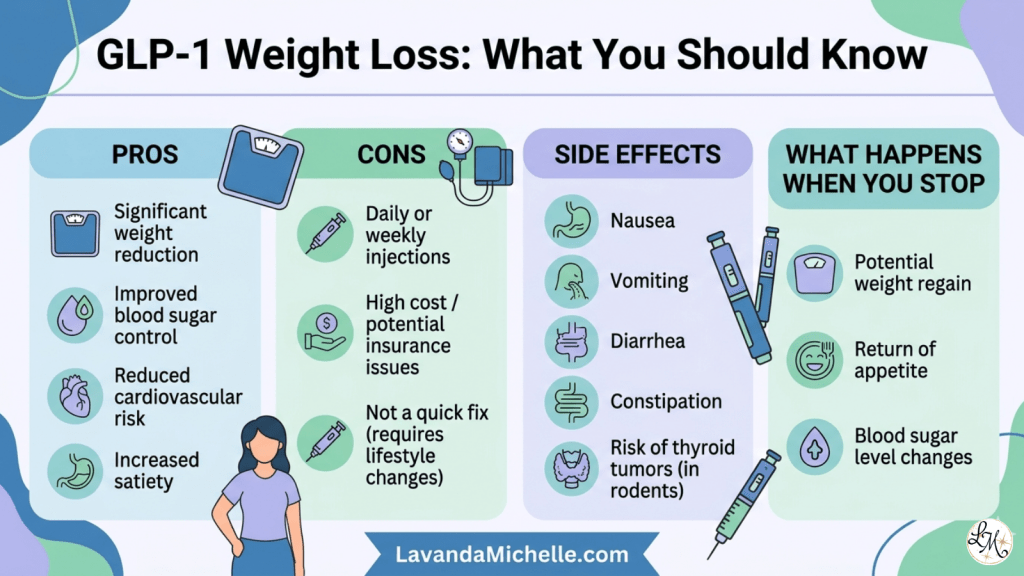
Like any medical treatment, GLP-1s come with both benefits and drawbacks.
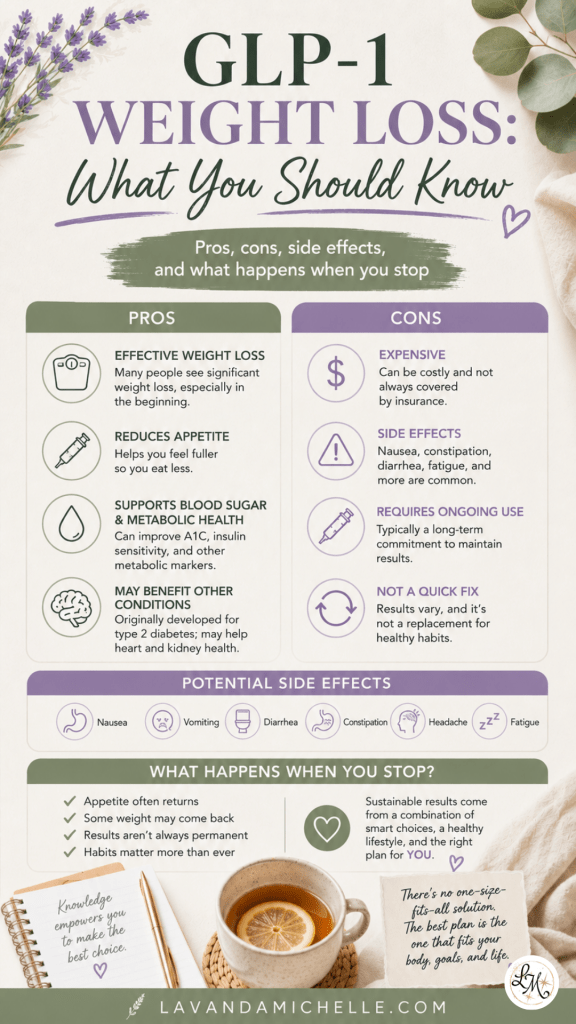
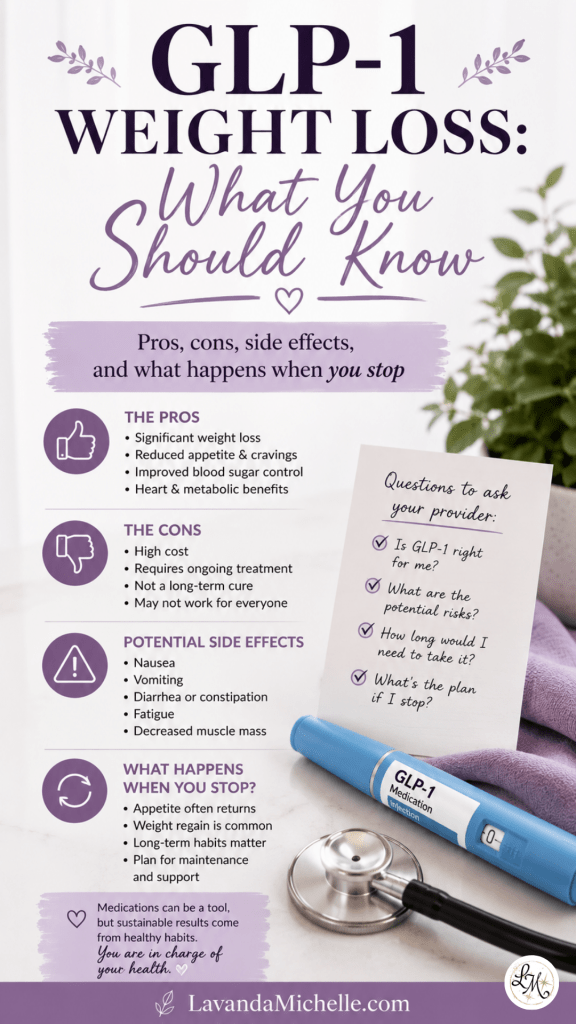
Potential benefits:
- They can help reduce appetite and make people feel full sooner.
- Many people experience significant weight loss.
- They may improve blood sugar control and other metabolic markers.
Common challenges:
- Nausea, vomiting, stomach pain, diarrhea, and constipation are common.
- Some people feel too uncomfortable to eat normally while adjusting to the medication.
- The medications can be expensive and may not be covered by insurance.
- Weight regain can happen after stopping if long-term habits have not changed.

What to Expect While Using Them
One of the biggest effects of GLP-1 medications is that they slow digestion. That means food stays in the stomach longer, which can lead to feeling full quickly — sometimes after just a few bites.
For some people, that is exactly what makes the medication helpful. For others, it can also be what causes the hardest side effects, including nausea and vomiting. My friends described everything from mild discomfort to intense stomach issues, and one even needed medical care because the symptoms became severe enough to cause dehydration.
That’s an important reminder: even when a medication helps with weight loss, it can still come with real trade-offs.
What Happens When You Stop?
This is the part that often gets left out of the conversation.
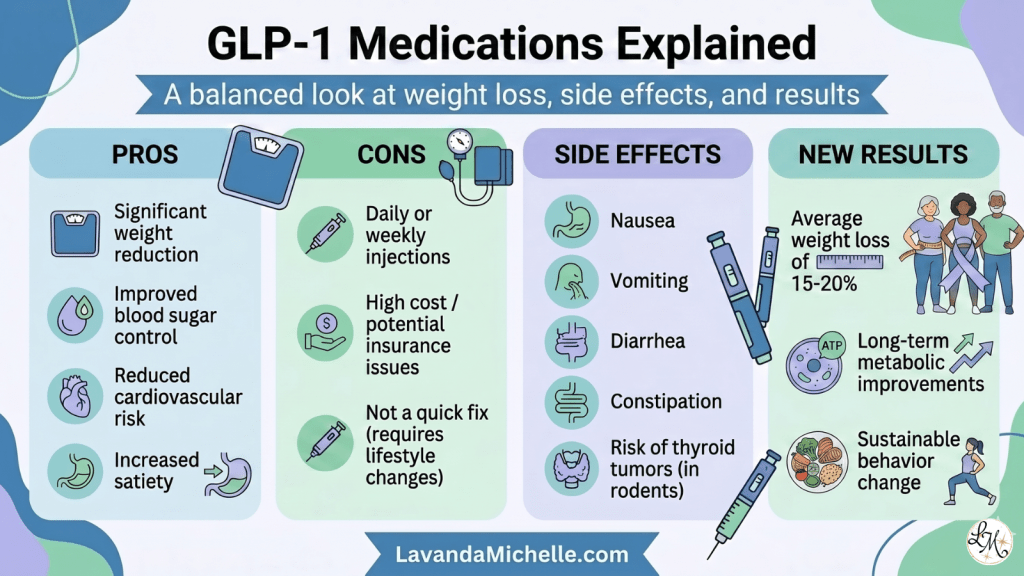
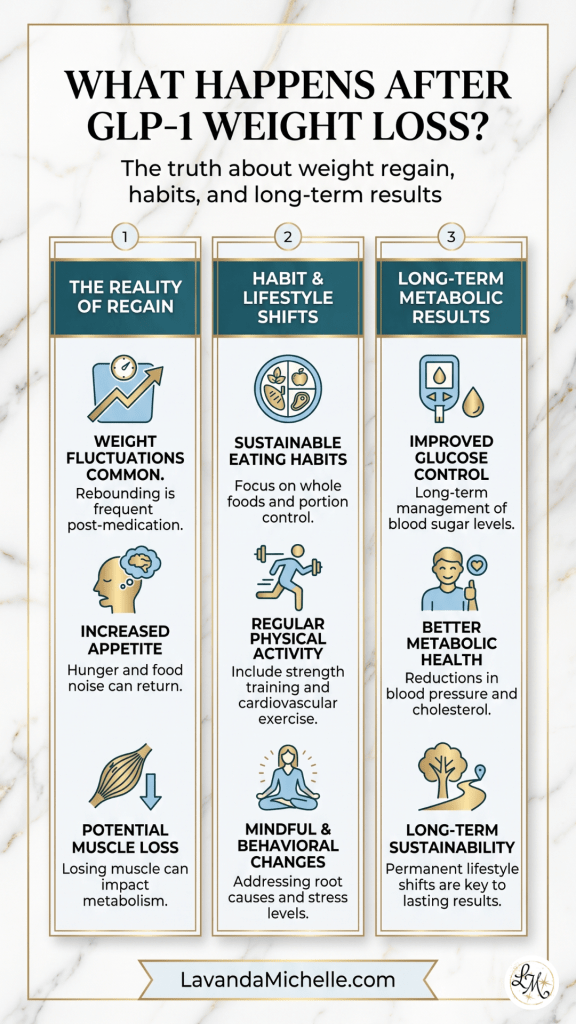
When people stop taking GLP-1 medications, appetite can return, and weight regain is common if new habits are not in place. Some people gain some of the weight back. Others may regain more than they lost. And some are able to maintain their results because they used the time on the medication to build healthier eating habits and routines.
That’s why I think the biggest lesson is this: GLP-1s can be a tool, but they are not a replacement for long-term lifestyle change.

The Natural Path: Supporting Your Own Fullness Cues
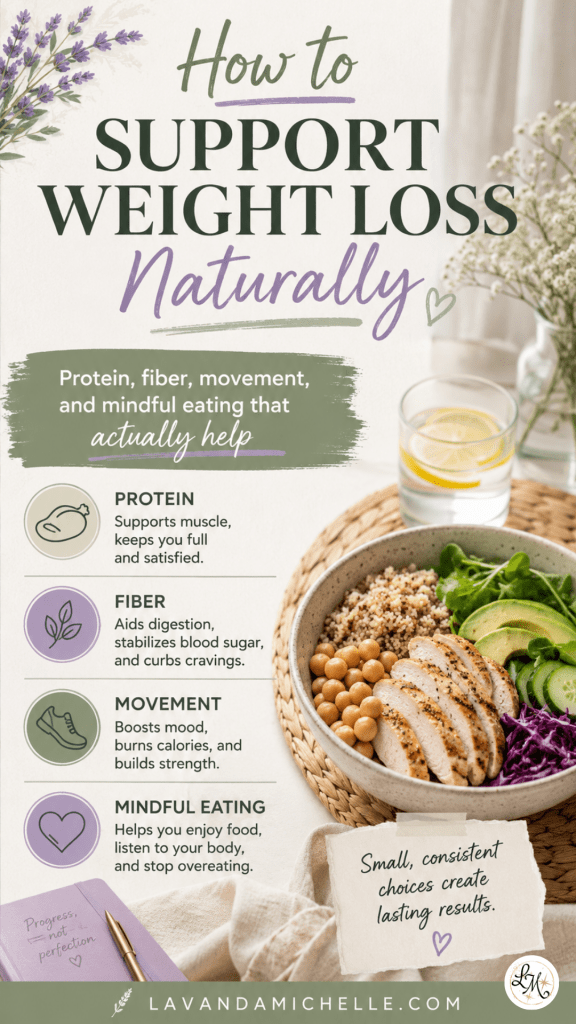
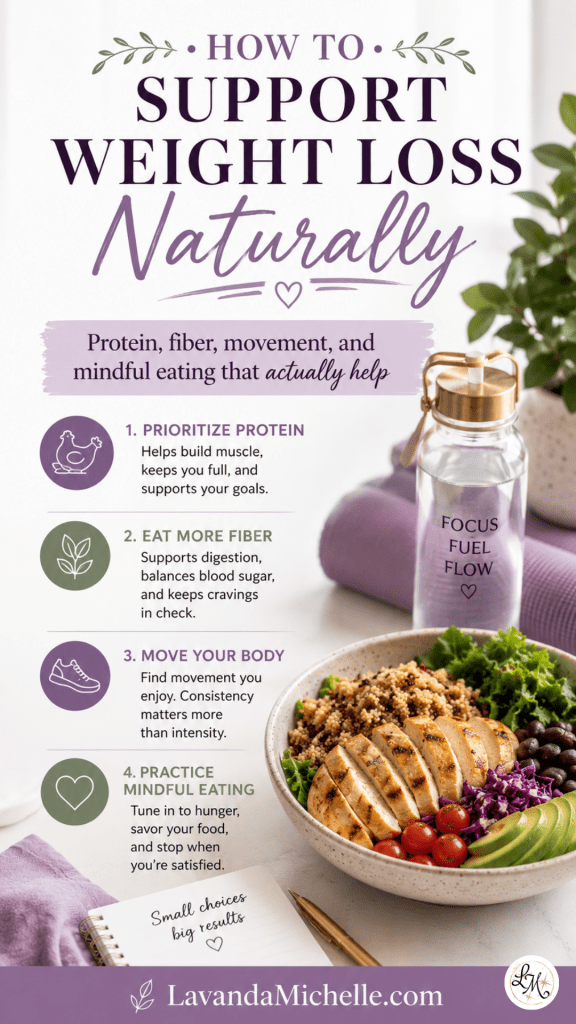
For those of us who prefer a natural approach, the goal is not to copy a medication exactly, but to support the body’s natural fullness and hunger cues.
A few things that can help:
- Protein: High-protein meals can help you feel fuller and support muscle maintenance during weight loss.
- Fiber: Fiber adds bulk, slows digestion, and helps with satiety.
- Mindful eating: Slowing down and paying attention to hunger and fullness cues can reduce overeating.
- Movement: Regular daily activity, including walking and strength training, supports overall health and weight management.
Weight loss and health are deeply personal journeys, and there is no one right way for everyone. Whether someone chooses a medical tool or a lifestyle-first approach, the most important thing is being informed, supported, and committed to long-term health.

What are your thoughts about Real Talk: What You Need to Know About GLP-1s for Weight Loss. Please share in the comments below. I really would love to know.
Until next time, shine amongst the stars!
‘This post may contain affiliate links
If you haven’t made enough money blogging, look into taking the
Complete Guide to Make Money Blogging for only
($10… WOW 95% Off for a limited time).

Best sources for more information
- What GLP-1s are and how they work: Cleveland Clinic explains that GLP-1 agonists help lower blood sugar and promote weight loss, and that common effects include reduced appetite and vomiting.
- How GLP-1s help with weight loss: Henry Ford Health says they slow digestion so people feel full from smaller portions and reduce appetite and cravings in the brain.
- Common side effects: Intermountain Health and UCLA note nausea, vomiting, diarrhea, constipation, and fatigue as common issues.
- What happens after stopping: Harvard Health explains that stopping GLP-1s often leads to increased hunger and weight regain, and that the transition can be difficult.
- Why habits matter: Mayo Clinic and Harvard Health emphasize that long-term success depends on lifestyle changes, not medication alone.
- Protein and satiety: PubMed notes that higher protein intake increases satiety and can reduce later energy intake.
- Fiber and fullness: PubMed reviews show fiber can reduce hunger and prolong satiety through digestive and hormonal effects.
- Mindful eating: Healthline explains mindful eating helps people slow down, notice fullness cues, and reduce overeating.
- Steps and activity: NIH reports that more daily steps are associated with better health outcomes, and step totals matter more than intensity.
Disclaimer: This content is for informational and educational purposes only and is not intended to provide medical advice, diagnosis, or treatment. Always consult with a qualified healthcare professional before starting, stopping, or changing any medication or weight loss plan.


GLP-1s are everywhere right now, but what do they really do? I’m breaking down the pros, cons, side effects, and what happens when you stop. A balanced look at GLP-1 weight loss and natural alternatives. #GLP1 #WeightLoss #Wellness #Nutrition
