

Raising kids is a rollercoaster of emotions, cuddles, and tantrums. We pour our hearts into them, but sometimes it can feel like they speak a different love language. How do we truly know our little ones feel loved and appreciated? Enter the Love Language Quiz for Parents!
This quiz will help you understand your child’s primary love language – the way they receive and express love most effectively. Remember, there’s no “right” answer, and most kids have a blend of different languages. But knowing their dominant language can be a game-changer in your relationship.

Love Language Quiz for Parents
Ready to decode your child’s love language? Answer these questions honestly:
1. When your child does something good, what makes them most proud?
- (a) Their accomplishment itself – their talent, skills, or effort.
- (b) Their excitement and happiness about their achievement.
- (c) The way they helped someone or made others happy.
- (d) Their eagerness to share their accomplishment with you.
- (e) The warm hug they give you afterwards.
2. How does your child typically react to praise?
- (a) Beams with pride and tells everyone.
- (b) Says “thank you” shyly and blushes.
- (c) Wants to do more to please you or make you proud.
- (d) Asks you to help them improve or learn more.
- (e) Seeks physical affection like a hug or high five.
3. Your child wants to spend time with you. What activity are they most likely to suggest?
- (a) Playing a game or doing a competitive activity.
- (b) Watching a movie or reading a book together.
- (c) Helping you with chores or errands.
- (d) Talking about their day or a topic they’re interested in.
- (e) Cuddling on the couch or playing physically.
4. When your child is upset, what calms them down best?
- (a) Solving the problem together and offering practical advice.
- (b) Validating their feelings and offering words of comfort.
- (c) Doing something together to distract them and have fun.
- (d) Offering a listening ear and letting them vent their emotions.
- (e) A physical touch like a hug, pat on the back, or holding their hand.
5. What kind of gifts does your child seem most excited about receiving?
- (a) Toys that challenge their skills or abilities.
- (b) Personalized gifts with their name or favorite characters.
- (c) Gifts that help them care for others or contribute to something bigger.
- (d) Books, music, or experiences that spark their imagination.
- (e) Gifts that involve physical activity or playing together.

Tally up your answers!
- Mostly A: Acts of Service – Your child feels loved when you help them, do things for them, or participate in activities with them.
- Mostly B: Words of Affirmation – Your child thrives on praise, encouragement, and verbal expressions of love and appreciation.
- Mostly C: Quality Time – Your child values undivided attention and meaningful interactions with you, even if it’s just doing chores together.
- Mostly D: Gifts – Your child feels loved when you give them thoughtful gifts, big or small, that show you care about their interests.
- Mostly E: Physical Touch – Your child craves physical affection like hugs, cuddles, high fives, and playful interactions.
Remember, this is just a starting point! Pay attention to your child’s individual preferences and how they react to different expressions of love. Use your understanding of their love language to show them how much you care in ways that resonate with them.

Bonus tips:
- Talk to your child! Ask them directly how they feel loved and what makes them happy.
- Make an effort in their language! Even if it’s not your natural language, try to show love in ways that resonate with them.
- It’s a two-way street! Learn your child’s love language and teach them yours. Communication is key!
By understanding your child’s love language, you can create a deeper, more fulfilling connection with them. So go forth, parents, and decode those love languages!
Share your results in the comments below! What’s your child’s primary love language?
Let’s spread the love, one hug, one high five, and one meaningful conversation at a time!

BONUS; Love Language by Gary Chapman
- Love Language Devotionals by Gary Chapman
- The Five Love Languages: The Secret to Love That Lasts
- The 5 Love Languages of Children: The Secret to Loving Children Effectively
- The 5 Love Languages for Men: Tools for Making a Good Relationship Great
- The 5 Love Languages of Teenagers: The Secret to Loving Teens Effectively
- God Speaks Your Love Language: How to Express and Experience God’s Love

What are your thoughts about the Love Language Quiz: How Do Your Kids Feel Loved? Please share in the comments below. I really would love to know.
Until next time, shine amongst the stars!
‘This post may contain affiliate links

If you haven’t made enough money blogging, look into taking the
Complete Guide to Make Money Blogging for only
($10… WOW 95% Off for a limited time).


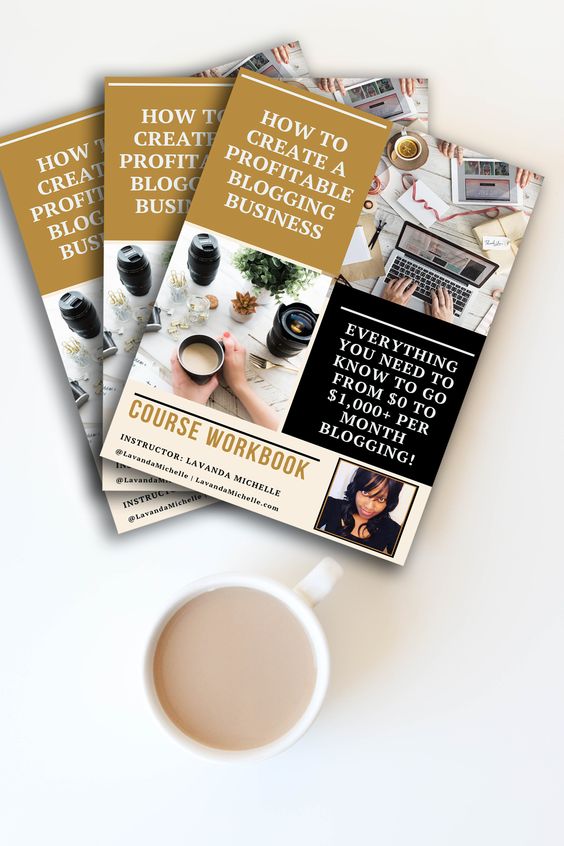
If you haven’t made enough money blogging, look into taking the
Complete Guide to Make Money Blogging for only
($10, … WOW 95% Off for a limited time).

How to Create A Profitable Blogging Business








This is such an interesting way of looking at love language, Pinned for later!
I am loving the idea of the quiz to help you understand what your children want and need in terms of relationships and ultimately love. I will be honest and told my kids each and every day…. multiple times even that I love them. I also spent lots of time with my kids when they were younger after a long days work….. helping them with their studies from school, especially is they were struggling. My daughter and I are best friends and could not be any closer so this post is very near and dear to my heart! Its all about Love Language!
I’ll need to work through this to see what each of my children’s love language is. That will be fun to do when I have my coffee break later.