

The Mediterranean diet is not just a diet but a lifestyle that has been associated with numerous health benefits, including improved heart health, weight management, and longevity. Originating from the dietary patterns traditionally followed in countries bordering the Mediterranean Sea, such as Greece, Italy, and Spain, this diet emphasizes whole, minimally processed foods rich in nutrients. Let’s dive into what the Mediterranean diet entails and why it’s lauded by health professionals around the globe.

Core Components of the Mediterranean Diet
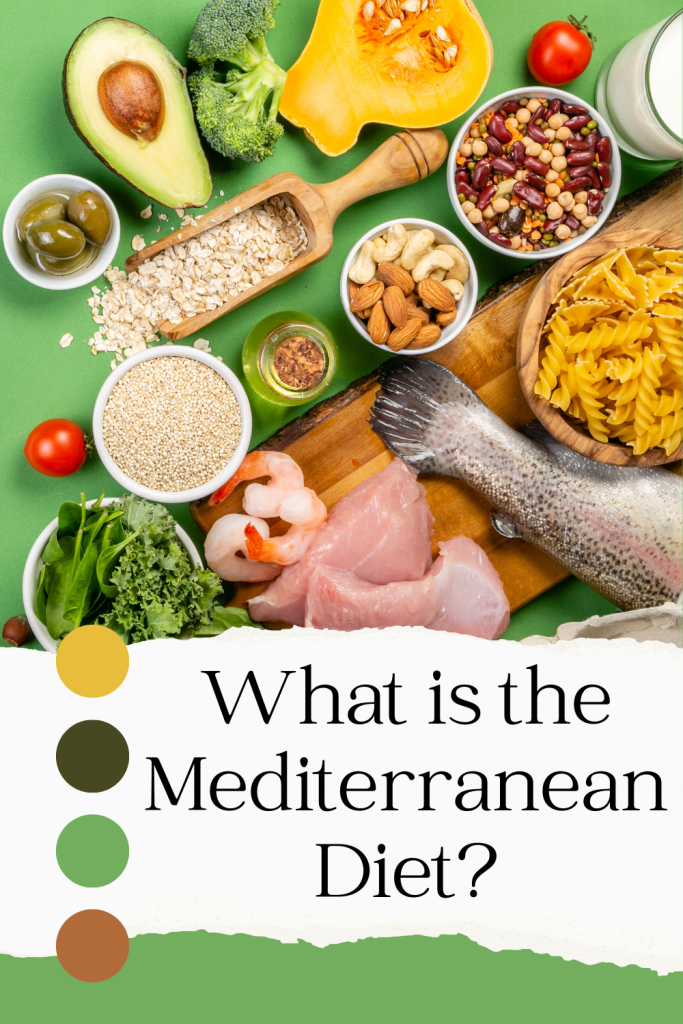
- Vegetables and Fruits: A cornerstone of the Mediterranean diet is the high consumption of vegetables and fruits. These foods are rich in vitamins, minerals, and antioxidants, which help protect against chronic diseases.
- Sources: According to the Harvard School of Public Health, vegetables and fruits are a significant part of this diet, contributing to its anti-inflammatory and disease-fighting properties .
- Whole Grains: Unlike refined grains, whole grains such as whole wheat bread, brown rice, and oats are preferred. These provide essential fiber, which aids digestion and helps maintain steady blood sugar levels.
- Sources: The American Heart Association highlights the importance of whole grains in reducing the risk of heart disease .
- Healthy Fats: The primary source of fat in the Mediterranean diet is olive oil, which is rich in monounsaturated fats. Nuts and seeds also contribute healthy fats, promoting heart health.
- Sources: Research published in the New England Journal of Medicine emphasizes that olive oil, a staple in the Mediterranean diet, is linked to reduced cardiovascular risk .
- Legumes: Beans, lentils, and chickpeas are consumed regularly, offering a plant-based source of protein and fiber.
- Sources: The Mediterranean diet’s inclusion of legumes helps in providing a low-fat, high-fiber source of protein, essential for maintaining muscle and overall health .
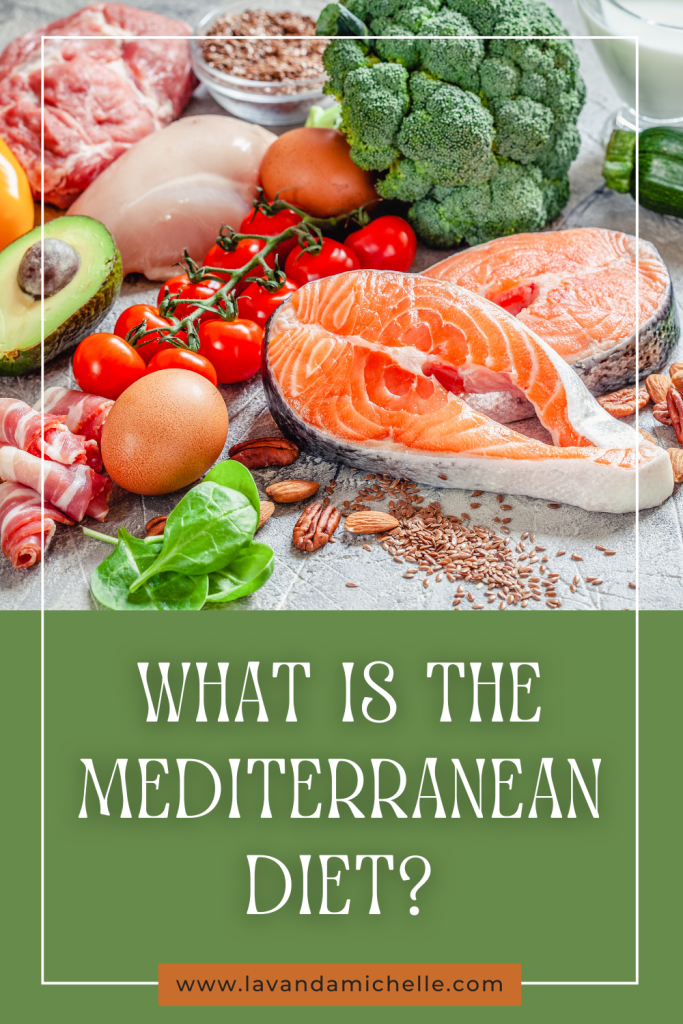
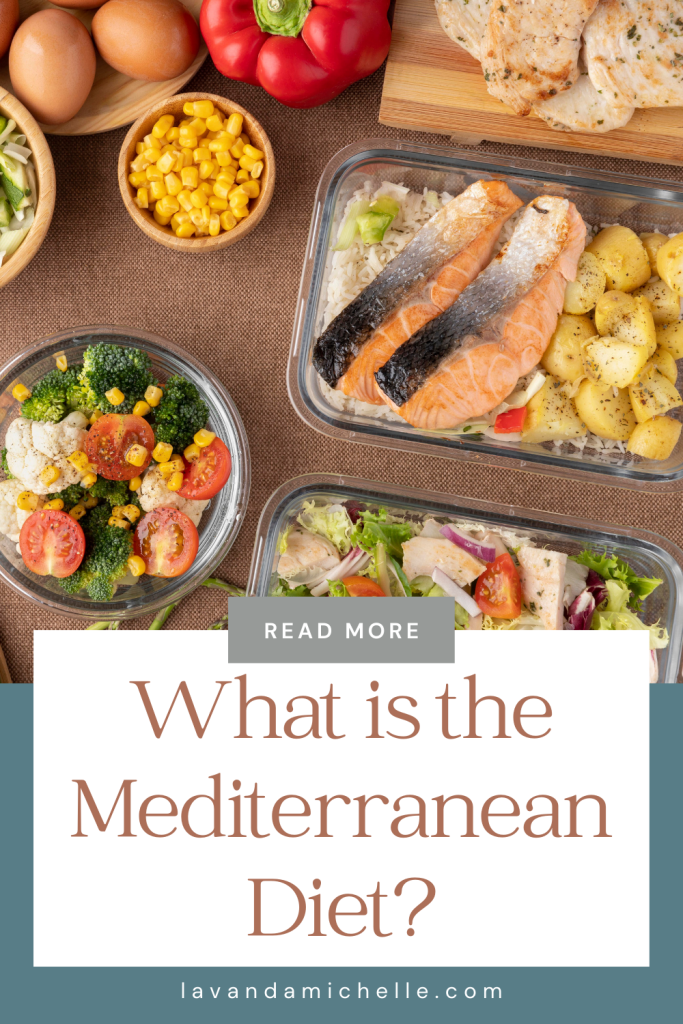
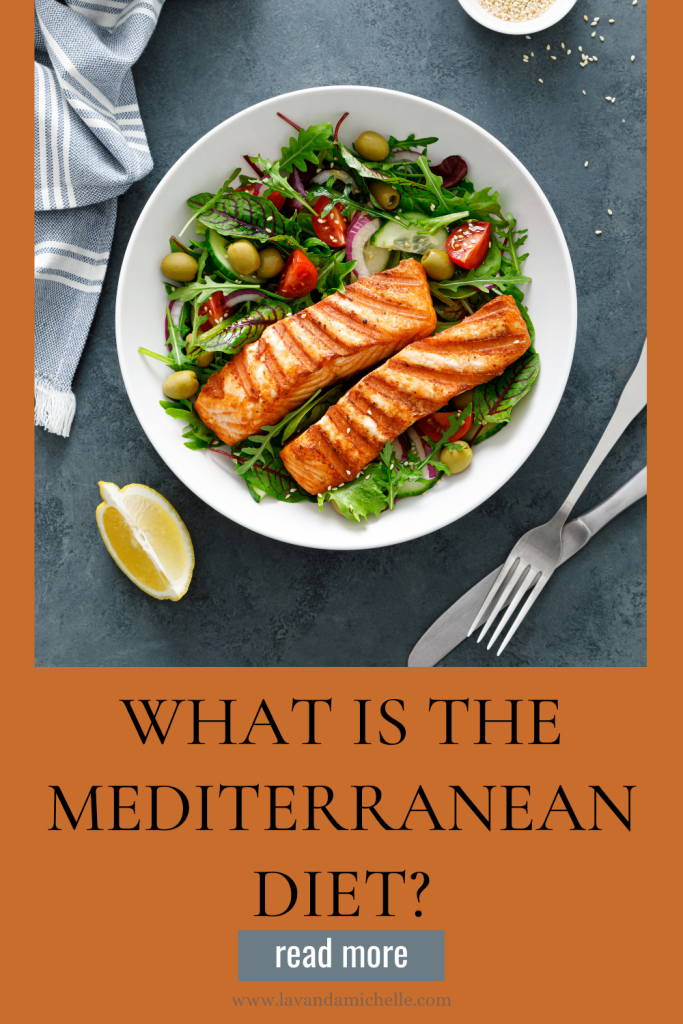
- Fish and Seafood: Fish, particularly fatty fish like salmon, mackerel, and sardines, are eaten at least twice a week. These are high in omega-3 fatty acids, beneficial for heart health.
- Sources: The American Heart Association recommends regular fish consumption as part of a heart-healthy diet .
- Moderate Dairy: Dairy products, mainly yogurt and cheese, are consumed in moderation. These provide calcium and probiotics, which are beneficial for bone and gut health.
- Poultry and Eggs: These are eaten in moderate amounts, serving as additional protein sources.
- Limited Red Meat: Red meat is consumed sparingly, only a few times a month, and in small portions.
- Wine: Moderate consumption of red wine, typically enjoyed with meals, is common in the Mediterranean diet. However, this is optional and should be approached mindfully.
- Herbs and Spices: Fresh herbs and spices are used liberally to flavor foods instead of relying on salt, which helps in reducing sodium intake.

Health Benefits of the Mediterranean Diet
Numerous studies have shown that the Mediterranean diet offers significant health benefits:
- Heart Health: The Mediterranean diet is associated with a lower risk of heart disease. This is due to its high content of healthy fats, fiber, and antioxidants.
- Sources: A study published in Circulation Research found that the Mediterranean diet significantly reduces the risk of cardiovascular diseases .
- Weight Management: Emphasizing whole, minimally processed foods helps in maintaining a healthy weight.
- Sources: Research in The Lancet Diabetes & Endocrinology highlights that the Mediterranean diet can be effective for weight management and preventing obesity .
- Reduced Risk of Chronic Diseases: This diet is linked to a lower risk of type 2 diabetes, certain cancers, and neurodegenerative diseases.
- Sources: The Mayo Clinic reports that following the Mediterranean diet can help prevent major chronic diseases .
- Longevity: Populations that adhere to this diet tend to live longer, healthier lives.
- Sources: Studies in the British Journal of Nutrition associate the Mediterranean diet with increased longevity and reduced mortality rates .

Getting Started with the Mediterranean Diet
To start incorporating the Mediterranean diet into your lifestyle:
- Focus on Plant-Based Foods: Increase your intake of vegetables, fruits, legumes, and whole grains.
- Choose Healthy Fats: Use olive oil for cooking and dressings. Include nuts and seeds in your diet.
- Eat More Fish: Aim to include fish in your meals at least twice a week.
- Enjoy Dairy in Moderation: Opt for yogurt and cheese in reasonable amounts.
- Limit Red Meat and Sweets: Consume red meat sparingly and save sweets for special occasions.
- Embrace the Mediterranean Lifestyle: Enjoy meals with family and friends, and stay active through regular physical activity.

Conclusion
The Mediterranean diet offers a balanced and flavorful approach to eating that can lead to numerous health benefits. By emphasizing fresh, wholesome foods and adopting a lifestyle that includes regular physical activity and communal meals, you can enjoy both the flavors and the health rewards of this timeless diet.

What are your thoughts about the What is the Mediterranean Diet?. Please share in the comments below. I really would love to know.
Until next time, shine amongst the stars!
‘This post may contain affiliate links

If you haven’t made enough money blogging, look into taking the
Complete Guide to Make Money Blogging for only
($10… WOW 95% Off for a limited time).

Sources:
- Harvard School of Public Health. (n.d.). The Nutrition Source: Mediterranean Diet.
- American Heart Association. (n.d.). Whole Grains and Fiber.
- Estruch, R., et al. (2013). Primary Prevention of Cardiovascular Disease with a Mediterranean Diet. New England Journal of Medicine.
- U.S. Department of Agriculture. (n.d.). Legumes: Beans and Peas.
- American Heart Association. (n.d.). Fish and Omega-3 Fatty Acids.
- Chiva-Blanch, G., & Badimon, L. (2017). Benefits and Risks of Moderate Alcohol Consumption on Cardiovascular Disease: Current Findings and Controversies. Circulation Research.
- Estruch, R., et al. (2018). Mediterranean diet for primary prevention of cardiovascular disease. The Lancet Diabetes & Endocrinology.
- Mayo Clinic Staff. (n.d.). Mediterranean diet: A heart-healthy eating plan.
- Trichopoulou, A., et al. (2005). Adherence to a Mediterranean diet and survival in a Greek population. British Journal of Nutrition.
Disclaimer: The information provided in this blog post is intended for general informational purposes only and should not be considered as medical advice. Always consult with a qualified healthcare provider before making any dietary changes.

I’ve heard great things about the Mediterranean diet, it sounds so beneficial for all ages.
My son in-law often speaks about the mediterranean diet and he really like it. So many healthy ingredients. I may give this a try myself.