

Protein plays a crucial role in weight management, helping to promote satiety, preserve lean muscle mass, and support overall metabolic health. Whether you’re aiming to lose weight or maintain your current weight, understanding how protein affects these processes can be incredibly beneficial. This article explores the role of protein in weight loss and maintenance, offering evidence-based insights and practical tips.

The Role of Protein in Weight Loss
Promoting Satiety
One of the primary ways protein aids in weight loss is by promoting satiety, the feeling of fullness after eating. High-protein foods take longer to digest compared to carbohydrates, which helps control appetite and reduce overall calorie intake.
A study published in the American Journal of Clinical Nutrition found that increasing protein intake from 15% to 30% of total calories helped participants consume fewer calories overall, leading to significant weight loss over 12 weeks .

Thermogenic Effect of Protein
Protein has a higher thermic effect of food (TEF) compared to fats and carbohydrates. This means that the body uses more energy to digest and metabolize protein, which can boost metabolism and increase the number of calories burned throughout the day.
Research indicates that about 20-30% of the calories from protein are used for digestion and metabolism, compared to 5-10% for carbohydrates and 0-3% for fats .

Preserving Lean Muscle Mass
During weight loss, it’s essential to preserve lean muscle mass to maintain metabolic rate and functional strength. Protein plays a key role in muscle repair and growth, especially when combined with resistance training.
A study in the Journal of the American College of Nutrition demonstrated that individuals who consumed higher protein diets preserved more lean muscle mass and lost more fat compared to those on lower protein diets .

The Role of Protein in Weight Maintenance
Preventing Weight Regain
After losing weight, maintaining the new lower weight can be challenging. Protein can help by promoting satiety and reducing hunger, making it easier to stick to a lower-calorie diet.
A study published in the New England Journal of Medicine found that a higher protein intake was associated with better weight maintenance after weight loss .

Supporting Metabolic Health
Consuming adequate protein supports metabolic health by preserving lean muscle mass and promoting a healthy metabolism. This helps maintain energy expenditure and prevent the weight regain that often occurs with metabolic slowdown following weight loss.

Sustaining Energy Levels
High-protein diets can help sustain energy levels throughout the day, reducing the likelihood of energy crashes that can lead to unhealthy snacking. This sustained energy is essential for maintaining an active lifestyle, which further supports weight management.

Practical Tips for Incorporating Protein into Your Diet
1. Prioritize Protein at Every Meal
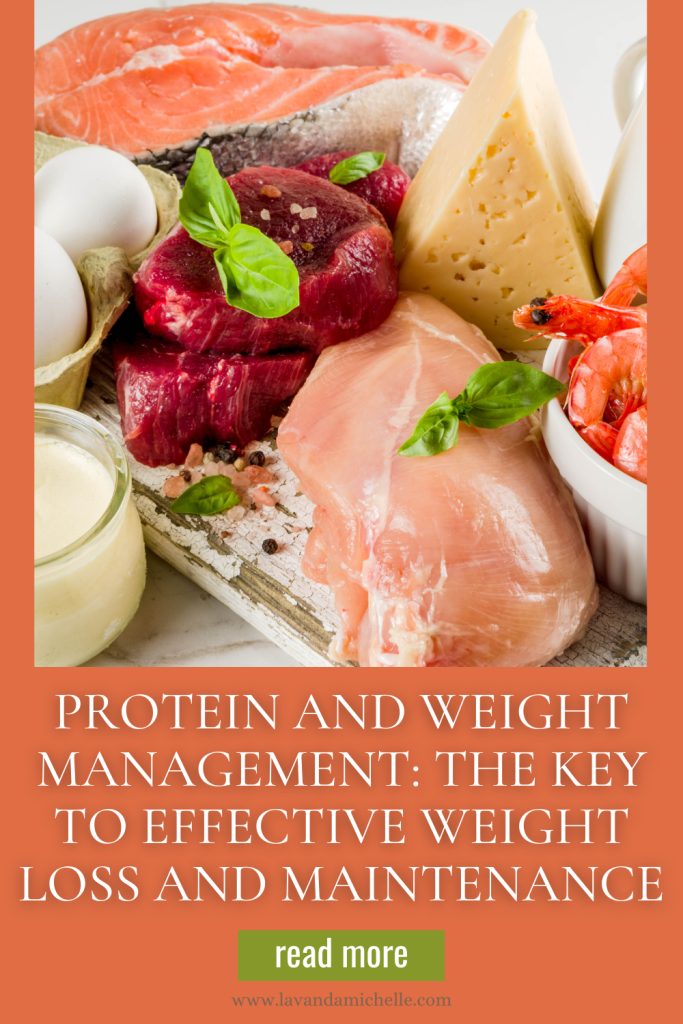
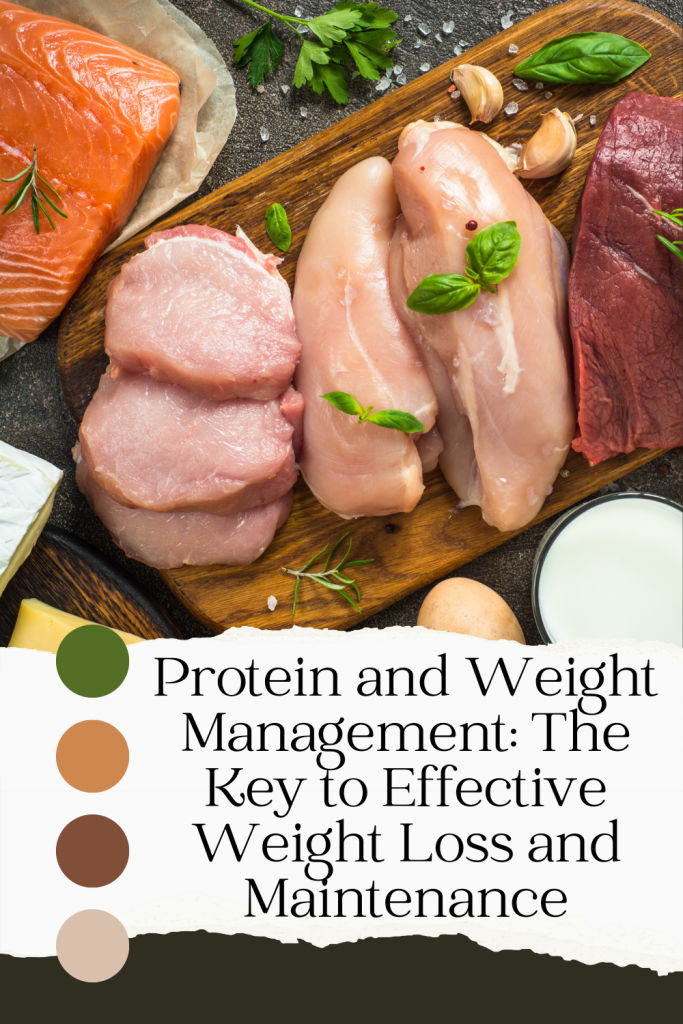
Ensure each meal includes a good source of protein, such as lean meats, fish, eggs, dairy, legumes, or plant-based protein sources like tofu and quinoa.
2. Choose High-Quality Protein Sources
Opt for high-quality protein sources that provide essential amino acids. This includes animal proteins like chicken, turkey, and fish, as well as plant-based options like beans, lentils, nuts, and seeds.

3. Spread Protein Intake Throughout the Day
Distribute protein intake evenly across meals to support muscle protein synthesis and maintain satiety. Aim for 20-30 grams of protein per meal.
4. Incorporate Protein-Rich Snacks
Include protein-rich snacks like Greek yogurt, cottage cheese, nuts, or protein bars to keep hunger at bay between meals.
5. Combine Protein with Fiber
Pairing protein with fiber-rich foods like vegetables, fruits, and whole grains can further enhance satiety and support healthy digestion.

Conclusion
Protein plays a vital role in weight management by promoting satiety, preserving lean muscle mass, and supporting metabolic health. By incorporating adequate protein into your diet and following practical tips, you can effectively manage your weight and maintain overall health. Always consult with a registered dietitian or healthcare professional to tailor protein intake to your specific needs and goals.

What are your thoughts about the Protein and Weight Management: The Key to Effective Weight Loss and Maintenance. Please share in the comments below. I really would love to know.
Until next time, shine amongst the stars!
‘This post may contain affiliate links

If you haven’t made enough money blogging, look into taking the
Complete Guide to Make Money Blogging for only
($10… WOW 95% Off for a limited time).



Disclaimer:
This is my personal health journey. If you want to start your own health journey or exercise routine, please consult a doctor.
Sources:
- Weigle, D. S., et al. (2005). A high-protein diet induces sustained reductions in appetite, ad libitum caloric intake, and body weight despite compensatory changes in diurnal plasma leptin and ghrelin concentrations. American Journal of Clinical Nutrition, 82(1), 41-48. Link
- Paddon-Jones, D., & Leidy, H. (2014). Dietary protein and muscle in older persons. Current Opinion in Clinical Nutrition and Metabolic Care, 17(1), 5-11. Link
- Layman, D. K., et al. (2005). A reduced ratio of dietary carbohydrate to protein improves body composition and blood lipid profiles during weight loss in adult women. Journal of Nutrition, 133(2), 411-417. Link
- Larsen, T. M., et al. (2010). Diets with high or low protein content and glycemic index for weight-loss maintenance. New England Journal of Medicine, 363(22), 2102-2113. Link

Although i am not fat but I like to keep my weight in check. These are good protein options. thanks for sharing.
I didn’t know that you could increase your protein intake to make you feel more full up, definitely something I need to do!