

In today’s fast-paced world, meals often become something to rush through rather than something to enjoy. Between work, school, and the constant hustle of life, many of us eat quickly without giving it much thought. But what if there was a way to transform the way we eat, making it not just about satisfying hunger, but about experiencing the food, savoring each bite, and enjoying the moment?
This is where mindful eating comes in. Mindful eating is the practice of slowing down and being fully present during your meals. It’s about connecting with your food in a way that allows you to enjoy the textures, flavors, and smells while also listening to your body’s hunger cues. If you’ve never tried mindful eating, or if you want to make it a more regular habit, this article will show you how it can improve your relationship with food and enhance your overall well-being.

What is Mindful Eating?
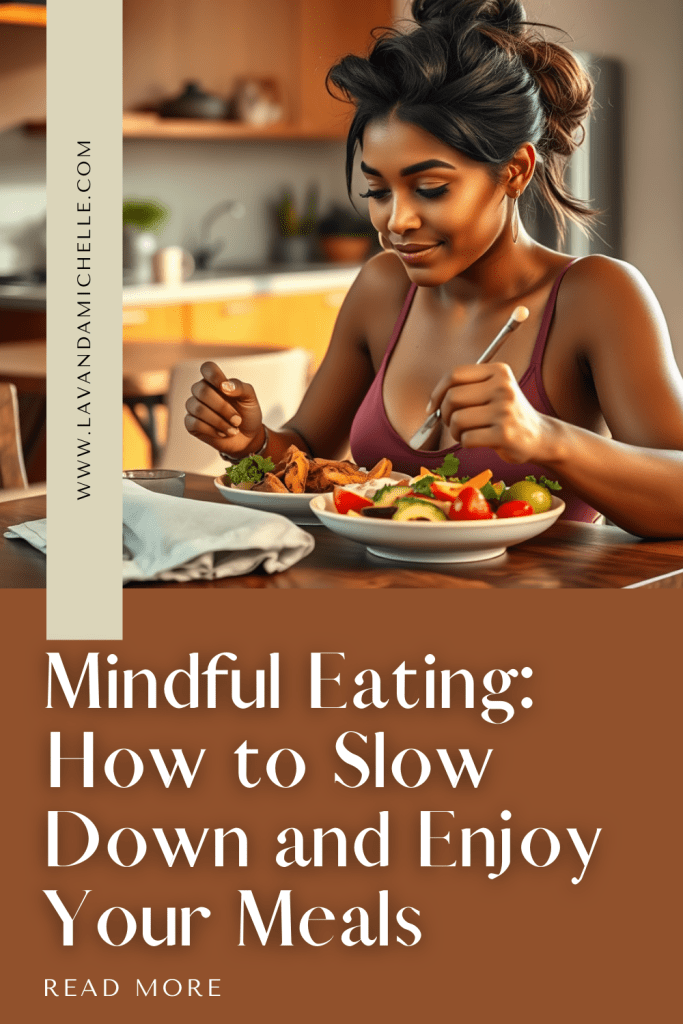
Mindful eating is rooted in mindfulness, which is the practice of being fully aware and present in the moment without judgment. It involves paying attention to what you’re eating, how you’re eating, and why you’re eating. This means putting away distractions like phones or TV and truly focusing on the experience of eating.
At its core, mindful eating helps you tune into your body and your emotions, allowing you to recognize true hunger and fullness, prevent overeating, and develop a more balanced approach to food.
Why Practice Mindful Eating?
The benefits of mindful eating go beyond just enjoying your food. Here are a few reasons to incorporate this practice into your daily routine:
- Better Digestion: When you eat mindfully, you chew your food more thoroughly, which can improve digestion and prevent bloating or discomfort.
- Healthier Food Choices: Being mindful helps you make more thoughtful choices about what you eat, leading to healthier food selections.
- Weight Management: By listening to your body and eating until you’re satisfied (not full), you may find it easier to maintain a healthy weight.
- Reduced Stress: Taking the time to eat slowly can help reduce stress and anxiety, turning mealtime into a relaxing experience.
- Improved Relationship with Food: Mindful eating can help you break free from the cycle of emotional eating, mindless snacking, and food guilt.

How to Practice Mindful Eating
Ready to start eating mindfully? Here are some simple steps you can follow:
- Start with Small Bites
Take smaller bites of food and chew them slowly. This allows you to fully experience the flavors and textures of what you’re eating and gives your brain time to register that you’re eating. - Put Down Your Fork Between Bites
After each bite, put your fork or spoon down. This helps slow you down and prevents you from eating too quickly. Take a moment to appreciate the taste and savor the experience. - Engage All Your Senses
Before you take a bite, notice the colors, textures, and smells of your food. While eating, pay attention to the flavors and how the food feels in your mouth. This will help you become more present and enjoy your meal even more. - Focus on Hunger and Fullness Cues
Check in with your body before, during, and after eating. Are you truly hungry, or are you eating out of habit or emotion? Notice when you start to feel satisfied and stop eating before you feel full. - Eliminate Distractions
Turn off the TV, put away your phone, and focus solely on your meal. This will help you become more present and prevent you from eating mindlessly. - Appreciate Your Food
Take a moment of gratitude before you eat. Acknowledge the effort that went into preparing your meal and the nourishment it provides. This simple act can deepen your connection to the food and make it a more enjoyable experience. - Practice Portion Control
Since you’re eating more slowly and intentionally, you’ll naturally be more in tune with your body’s signals. This helps you realize when you’ve had enough, reducing the chances of overeating.

Tips to Make Mindful Eating a Habit
- Start Slow: Begin with one mindful meal a day. Whether it’s breakfast, lunch, or dinner, pick a meal to practice mindful eating and work your way up.
- Be Patient with Yourself: Mindful eating is a skill that takes time to develop. Be patient and gentle with yourself as you create new eating habits.
- Use a Timer: If you tend to rush through meals, set a timer for 20–30 minutes. This will give you a sense of how long it takes to eat mindfully and encourage you to slow down.
- Incorporate Mindful Eating into Social Meals: Whether you’re dining with friends or family, use this opportunity to practice mindful eating together. It’s a fun way to bond while still focusing on the experience of eating.
Mindful Eating and Beyond
Incorporating mindfulness into your eating habits is just the beginning. When we eat with intention and awareness, we start to bring more mindfulness into other areas of our lives. This practice can help us appreciate the little things, reduce stress, and build healthier habits in the long run.
Remember, the goal of mindful eating is not about perfection; it’s about creating a healthier relationship with food, one meal at a time. So the next time you sit down to eat, take a deep breath, savor each bite, and enjoy the experience!

What are your thoughts about the Mindful Eating: How to Slow Down and Enjoy Your Meals. Please share in the comments below. I really would love to know.
Until next time, shine amongst the stars!
‘This post may contain affiliate links
If you haven’t made enough money blogging, look into taking the
Complete Guide to Make Money Blogging for only
($10… WOW 95% Off for a limited time).


Want to transform your relationship with food? 🥗 Slow down, be present, and enjoy your meals with #MindfulEating! Check out our latest blog post for tips on eating with intention and savoring every bite. 🍴 #HealthyHabits #Mindfulness

Who knew there were so many benefits to mindful eating? These are all terrific suggestions and I will be sure to try them out.
Great tips!! It’s amazing how much better life is in general, if we just slow down. 🙂
This is good info for me. I tend to get busy during meal times and often eat to fast.
I need to start doing this. I tend to eat pretty quickly and I know I shouldn’t do that.
Thank you for sharing your expertise on this subject! Your writing is not only informative but also engaging, which makes it easy to absorb and enjoy. The examples you provided helped clarify some points that I was struggling to understand, and I appreciate how well you’ve explained the nuances of the topic.