

Spring is the perfect time to embrace nature and add a splash of color to your garden by creating a butterfly-friendly haven. A butterfly garden not only looks beautiful but also helps support pollinators, contributing to a healthier environment. If you’re ready to bring butterflies fluttering into your outdoor space, here’s how to start a butterfly garden this spring, including the best flowers to plant, where to place them, and how to create an inviting space for these graceful creatures.
1. Choose the Right Flowers for Butterflies
Butterflies are attracted to nectar-rich flowers that provide the sustenance they need to survive. By choosing the right plants, you’ll not only help the butterflies but also create a vibrant garden full of color and life.
Best Flowers for Butterflies:
- Milkweed: Essential for monarchs, milkweed is a must-have in your butterfly garden. It attracts many types of butterflies and provides a host plant for caterpillars.
- Lavender: This fragrant herb attracts butterflies and also offers a lovely aroma for you to enjoy while spending time in your garden.
- Coneflowers (Echinacea): These hardy flowers come in a variety of colors and are known to attract several butterfly species.
- Black-eyed Susans: A favorite among butterflies, these yellow flowers bloom all summer long and provide plenty of nectar.
- Bee Balm (Monarda): Bee balm is not only a butterfly favorite, but it also attracts bees and hummingbirds, making your garden a true wildlife sanctuary.
Tip: Choose a mix of native plants and flowering shrubs to provide a range of food sources for different butterfly species throughout the season.

2. Create a Sunny Spot
Butterflies love the sun! When choosing a location for your butterfly garden, make sure it’s a sunny area, as butterflies prefer to bask in warm sunlight to regulate their body temperature.
Where to Plant:
- Full Sun Exposure: Aim for at least 6 hours of direct sunlight a day for the best results. Butterflies tend to flock to sunny areas where they can warm up.
- Sheltered Areas: If possible, plant your butterfly garden in a sheltered spot where strong winds won’t damage the flowers. A place near a fence, wall, or hedge is ideal for protecting the delicate creatures.
- Diverse Planting Heights: Add a mix of low-growing flowers and taller shrubs to create layers of color and texture. Tall plants also provide perches for butterflies.
3. Provide Water and Resting Spots
Butterflies, like all animals, need water to survive. But they don’t just need any water—create a safe, shallow water source where butterflies can drink and bathe.
How to Provide Water:
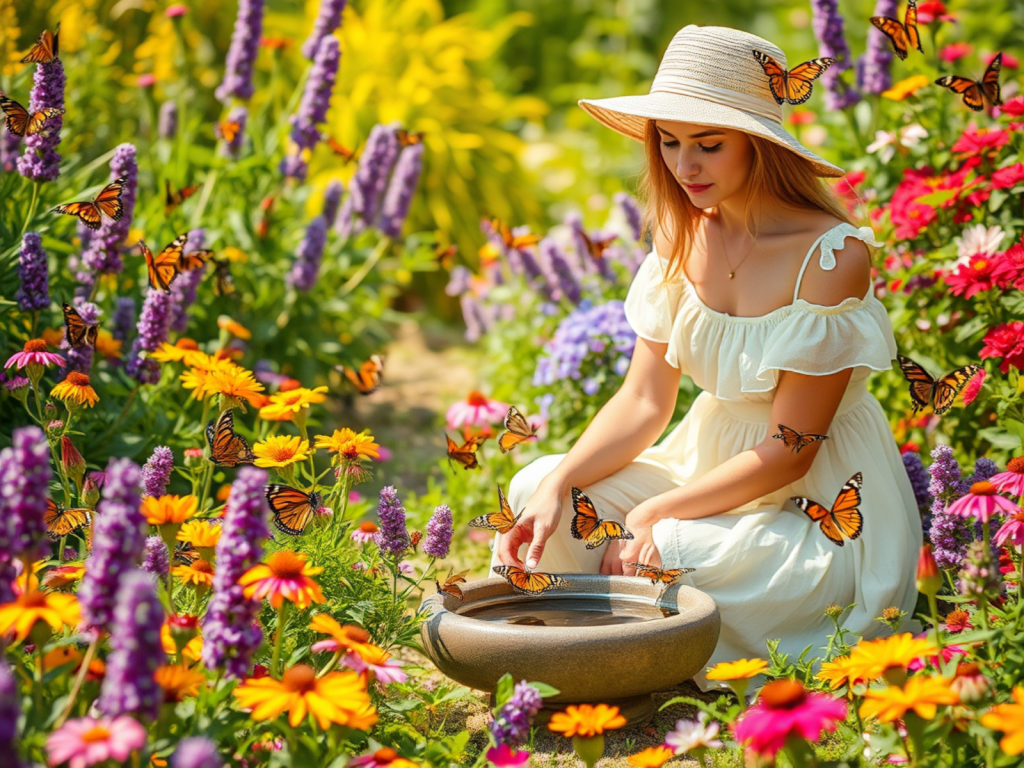
- Shallow Dish or Birdbath: Use a shallow dish or birdbath with pebbles or stones to give butterflies a safe spot to land and sip water.
- Puddling Stations: Butterflies also love “puddling,” where they sip from moist soil to obtain essential minerals. Create a small puddling area by adding damp soil or sand to a part of your garden. You can even place a small piece of damp sponge in the soil for added appeal.
Resting Spots:
- Flat Stones or Branches: Butterflies need places to land and rest. Set up some flat stones, tree stumps, or branches where butterflies can stop to warm up or rest.
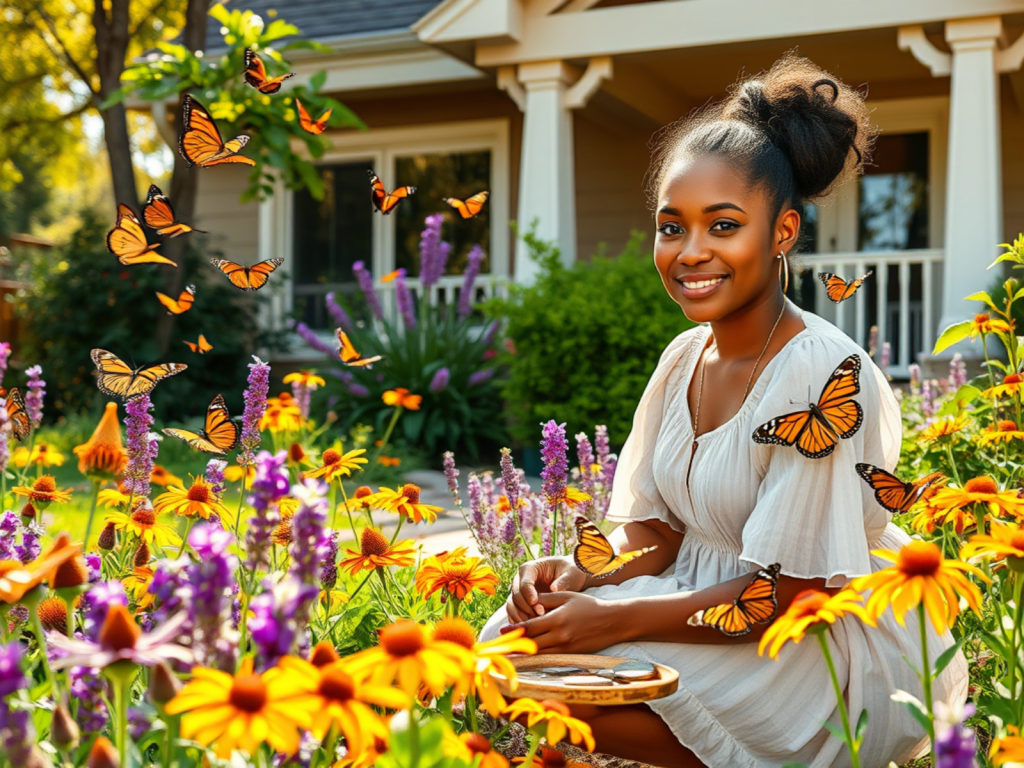
4. Avoid Using Pesticides
One of the most important things you can do to support butterflies is to avoid using harmful pesticides and chemicals in your garden. These chemicals can harm not only the insects you want to attract but also other beneficial wildlife.
Tips for a Chemical-Free Garden:
- Go Organic: Use organic gardening methods, such as companion planting, natural pest predators (like ladybugs), and DIY remedies like neem oil to control pests.
- Encourage Natural Predators: Birds, frogs, and ladybugs all help keep your garden free from harmful pests naturally.
5. Add Butterfly Host Plants
In addition to nectar-rich flowers, it’s important to include plants that act as host plants for butterfly larvae (caterpillars). These plants provide the necessary food and shelter for caterpillars before they transform into butterflies.
Popular Host Plants:
- Parsley, Dill, and Fennel: These plants are great host plants for swallowtail butterflies.
- Milkweed: As mentioned, milkweed is not only a nectar source but also the host plant for monarch caterpillars.
- Rue and Spicebush: These plants attract swallowtails and other butterfly species, providing a place for caterpillars to thrive.
Tip: Make sure your host plants are growing in abundance, as caterpillars need a steady food supply to reach the next stage of their life cycle.
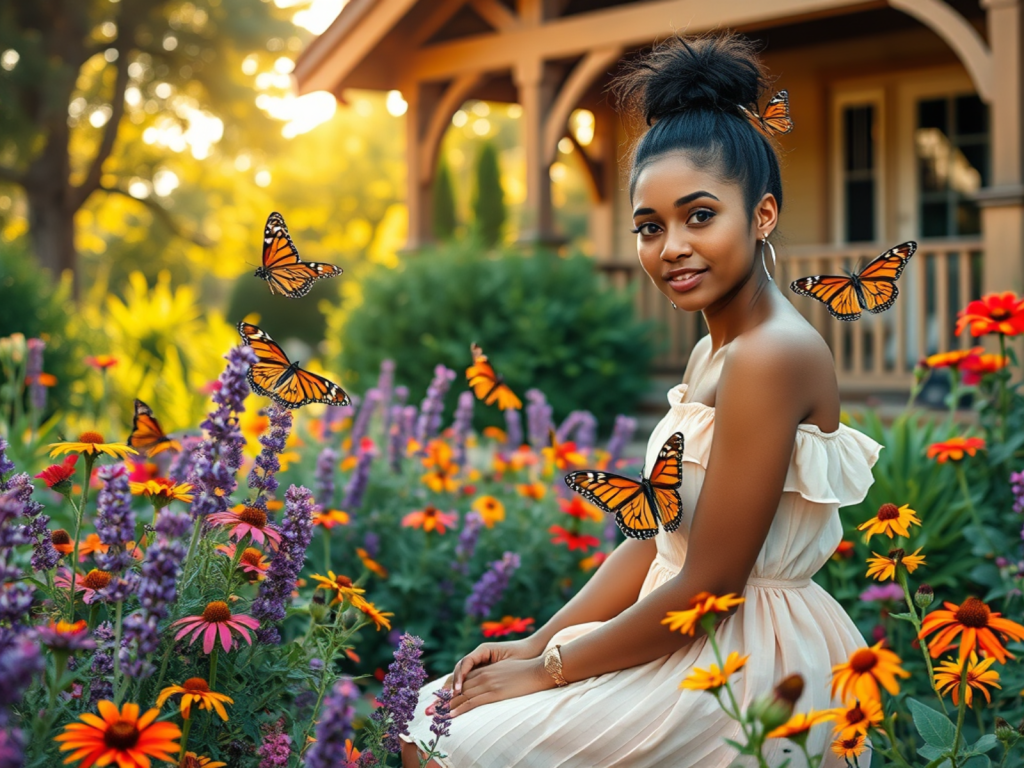
6. Encourage Butterfly-Friendly Practices
Finally, create an overall environment that’s welcoming to butterflies by following a few simple practices that encourage their presence.
How to Encourage Butterflies:
- Allow Wild Spaces: Butterflies love gardens with a little bit of wildness, so leave a corner of your garden with tall grasses, fallen leaves, or other natural materials. This gives butterflies places to hide and rest.
- Plant in Clusters: Grouping flowers together in clusters increases their visibility and makes it easier for butterflies to find their food sources.
- Be Patient: It can take time for butterflies to find your garden, so be patient and keep the garden inviting by maintaining your plants and water sources.
Conclusion: Enjoy a Colorful and Peaceful Spring Garden
Starting a butterfly garden is a wonderful way to not only add beauty to your yard but also to help support these vital pollinators. By planting the right flowers, providing water and resting spots, and avoiding harmful chemicals, you can create an inviting habitat for butterflies to thrive in. With a little effort, you’ll soon be enjoying the peaceful sight of butterflies flitting around your garden, adding vibrant color to your outdoor space. Happy gardening!
What are your thoughts about the How to Start a Butterfly Garden This Spring Please share in the comments below. I really would love to know.
Until next time, shine amongst the stars!
‘This post may contain affiliate links
If you haven’t made enough money blogging, look into taking the
Complete Guide to Make Money Blogging for only
($10… WOW 95% Off for a limited time).
🦋 Ready to attract beautiful butterflies to your garden this spring? Check out these simple tips to create a butterfly-friendly space with nectar-rich flowers, water sources, and more! #ButterflyGarden #SpringGardening #Pollinators 🌸

As a college student with a tiny balcony garden, I love this idea! Now I know what flowers to plant to bring some butterflies to my space. Plus, it’s a great way to add a little color and relaxation to my study spot.
I have never thought of creating a garden specifically for butterflies! Thank you for this lovely guide and the flower ideas.
This is extremely helpful, thank you so so much…I will be following your tips to start my first butterfly garden, I am soooo excited.
I would love to make my yard more pollinator friendly. These are great ideas for making it more inviting for butterflies!