
Spring is here, and it’s time to get your garden ready for a season full of growth and beauty! Whether you’re a seasoned gardener or just starting out, a spring garden checklist is a great way to stay organized and make sure you don’t miss any important tasks. From planting new seeds to pruning old shrubs and preparing your soil for the warmer months, this guide will walk you through everything you need to do to have a flourishing garden this season.

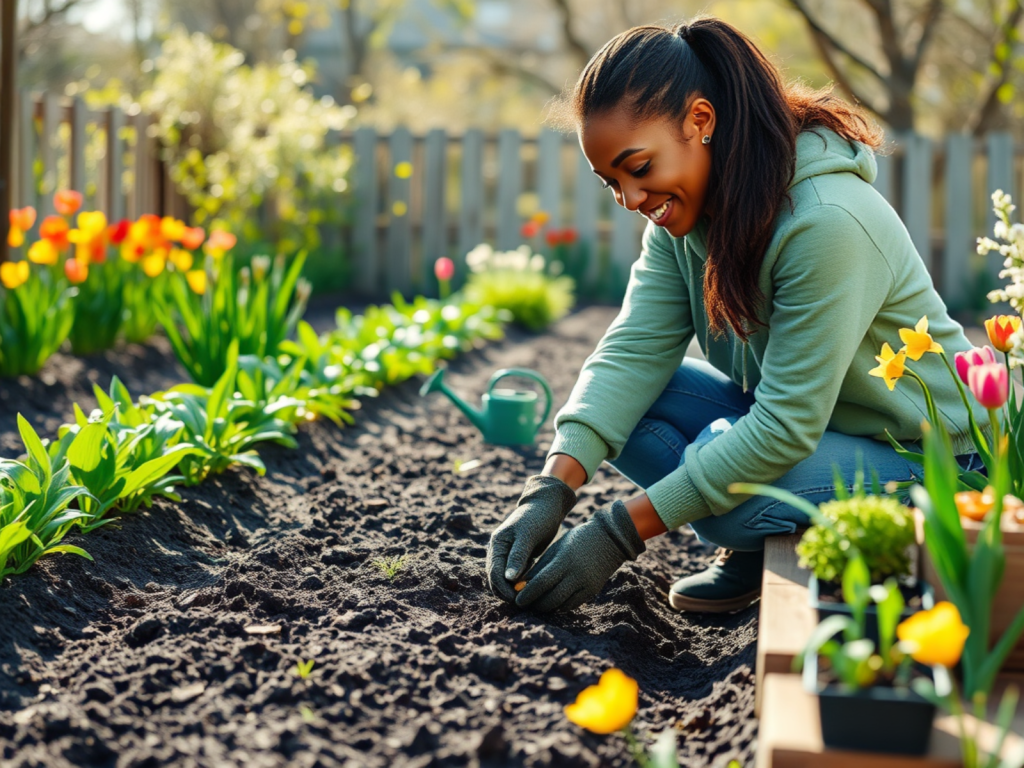
1. Prepare Your Garden Soil
Why It’s Important: Healthy soil is the foundation for a successful garden. Spring is the perfect time to refresh and prepare your soil to support your plants throughout the growing season.
Tasks to Complete:
- Clear Debris: Remove any leftover leaves, dead plants, or weeds from the winter months.
- Loosen the Soil: Use a garden fork or shovel to loosen compacted soil. This allows water and nutrients to reach plant roots more easily.
- Add Organic Matter: Mix compost or well-rotted manure into the soil to improve fertility and drainage.
- Test Soil pH: Consider testing your soil’s pH to make sure it’s ideal for the plants you want to grow (most plants prefer slightly acidic to neutral soil).
2. Prune Shrubs and Trees
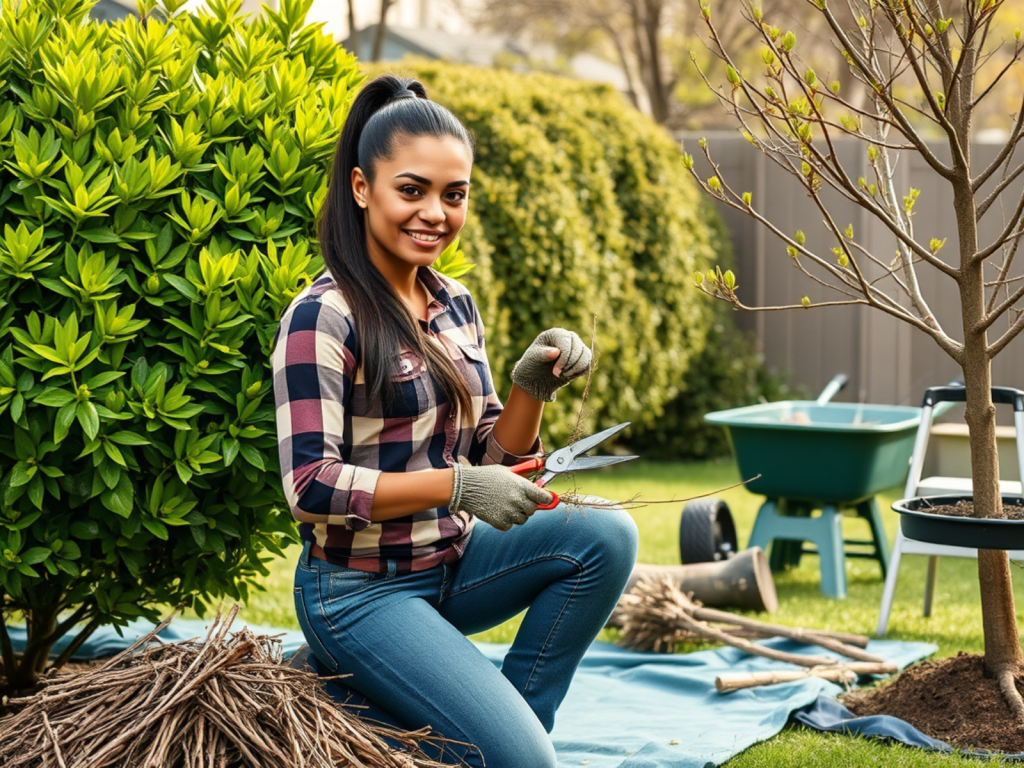
Why It’s Important: Pruning helps keep plants healthy, encourages new growth, and removes dead or diseased parts of your shrubs and trees.
Tasks to Complete:
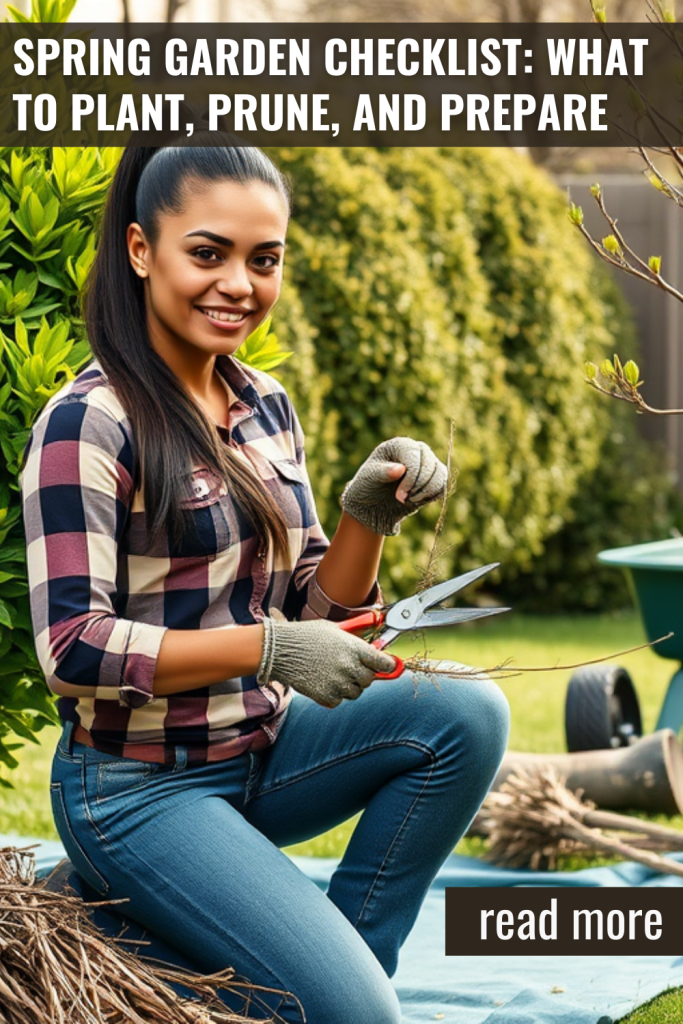
- Prune Dead or Damaged Branches: Start by removing any dead, damaged, or diseased branches. This will allow the plant to focus its energy on healthy growth.
- Trim Overgrown Plants: For shrubs or bushes that have outgrown their space, trim back any excess growth to encourage new shoots.
- Cut Back Perennials: If you have perennials (plants that come back year after year), trim back any dead or old growth to make room for new growth.
- Shape Trees and Shrubs: Use pruning shears to shape trees and shrubs, giving them a neat and tidy appearance.
3. Start Planting New Seeds
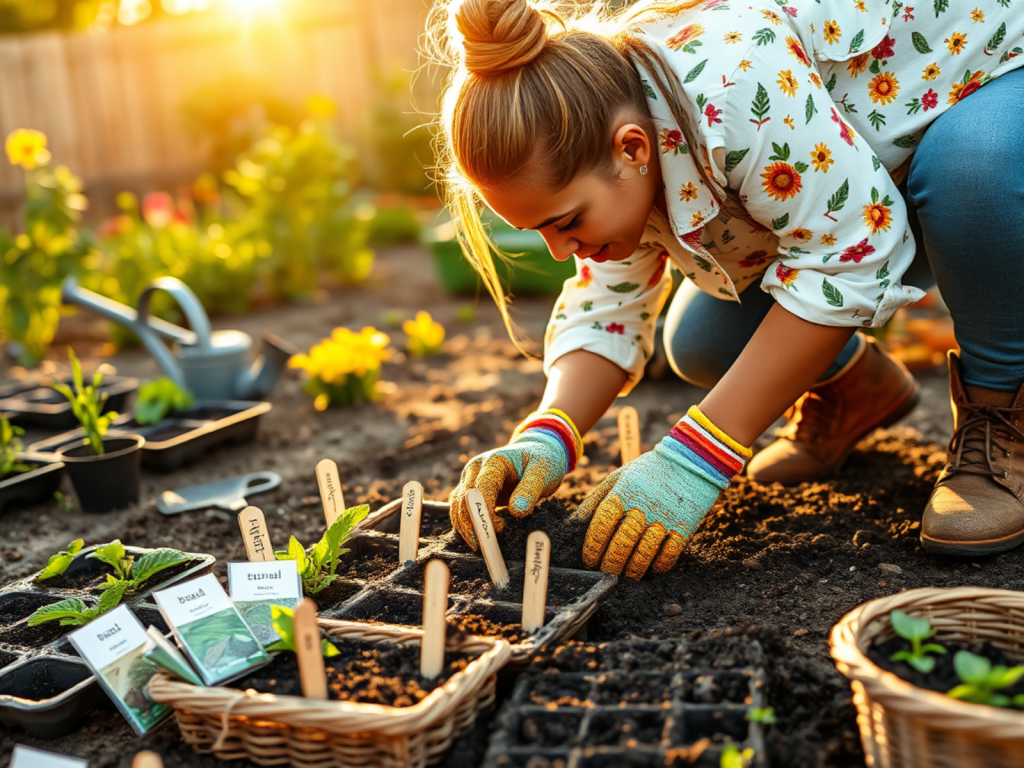
Why It’s Important: Spring is the perfect time to plant a wide variety of flowers, herbs, vegetables, and more. The warm weather and increased daylight hours provide the ideal conditions for seeds to sprout and grow.
Tasks to Complete:
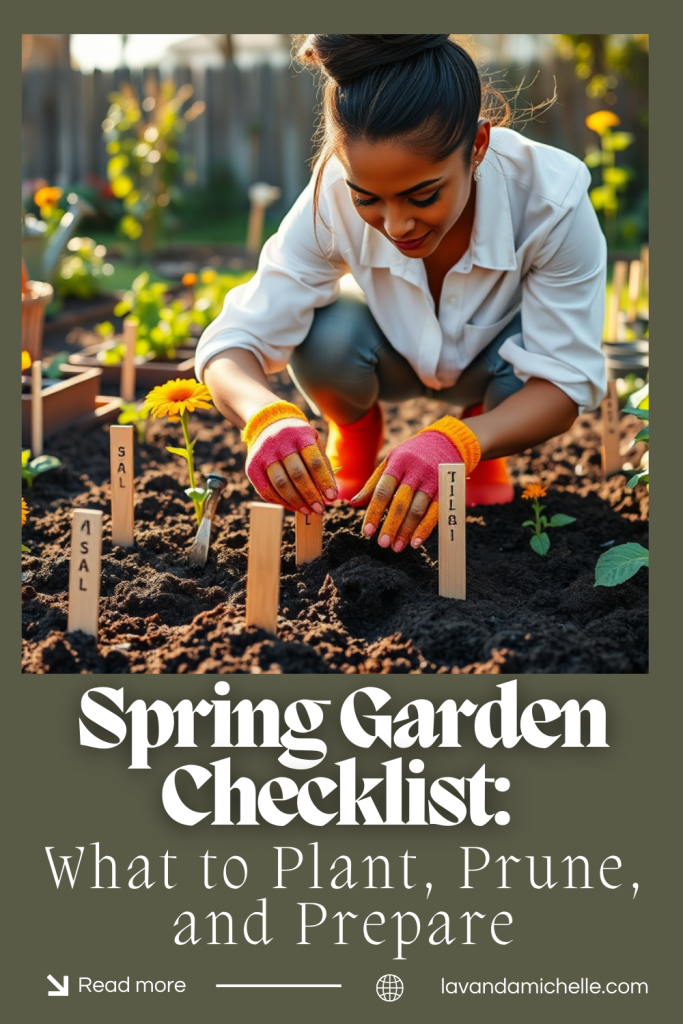
- Flowers: Plant annual flowers such as petunias, marigolds, and sunflowers to add vibrant color to your garden. Perennials like tulips, daffodils, and peonies should also be planted early in spring.
- Vegetables: Now is the time to plant cool-season crops like spinach, peas, lettuce, and radishes. These crops can tolerate the cooler temperatures of early spring.
- Herbs: If you love fresh herbs, start planting basil, parsley, cilantro, and thyme. These herbs thrive in the spring and will provide flavor all season long.
Tip: If you’re planting seeds directly in the garden, make sure to check your local frost dates to avoid planting too early. For tender plants, start seeds indoors and transplant them after the last frost.
4. Divide and Transplant Perennials
Why It’s Important: Spring is the perfect time to divide overgrown perennial plants and transplant them to other areas of your garden. This keeps your plants healthy and allows them to flourish in new spaces.
Tasks to Complete:
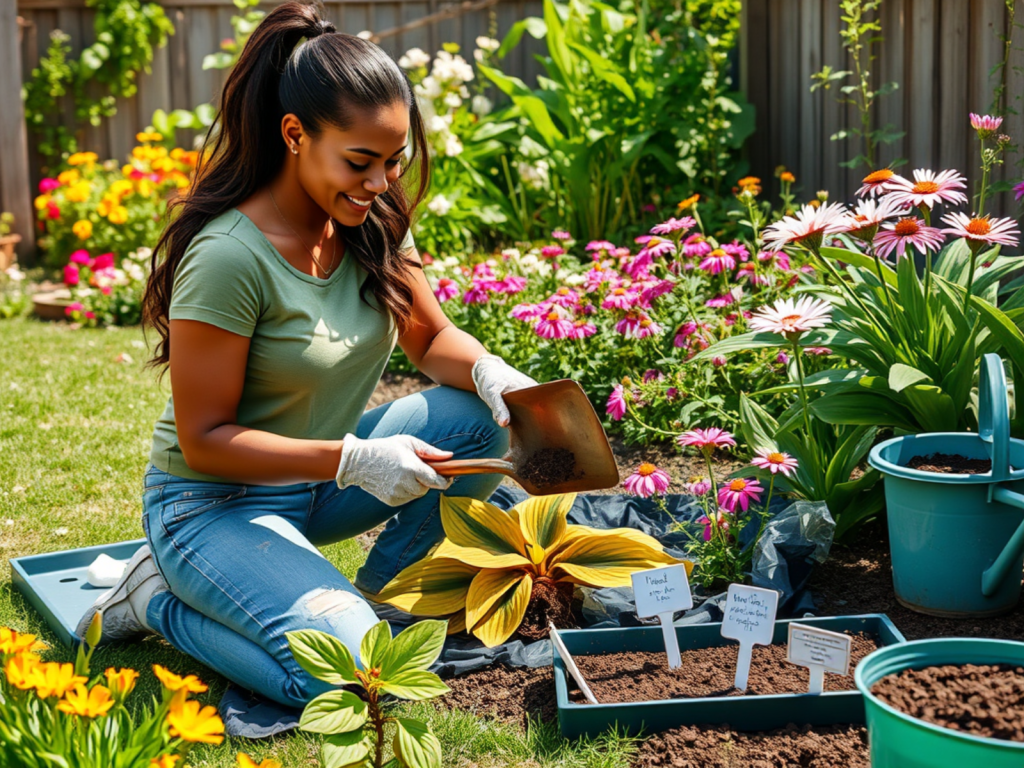
- Divide Overgrown Plants: If you have perennials that have become crowded or are no longer blooming well, it’s a good idea to divide them in the spring. Use a spade or shovel to gently separate the roots, then replant them in fresh soil.
- Transplant to New Locations: If a plant isn’t thriving in its current spot, transplant it to a location with more suitable growing conditions—whether that’s more sunlight or better soil drainage.
5. Mulch Your Garden Beds
Why It’s Important: Mulching helps retain moisture in the soil, prevent weed growth, and protect plants from temperature extremes. It also gives your garden a neat, finished look.
Tasks to Complete:
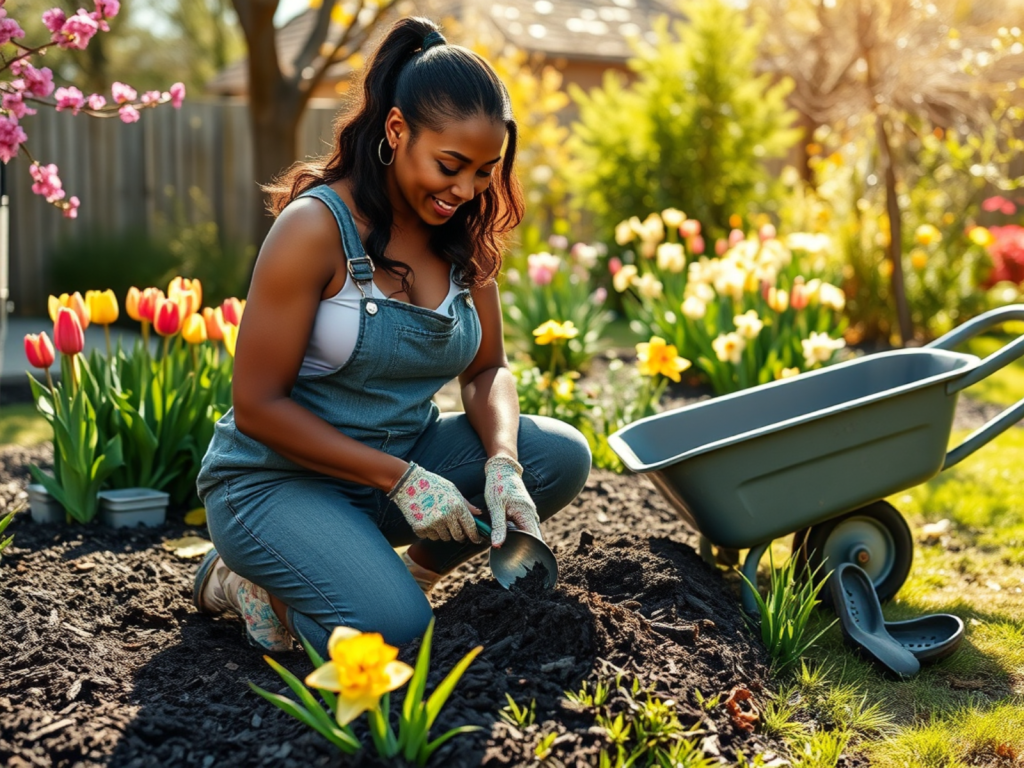
- Apply a Layer of Mulch: Spread a 2-3 inch layer of organic mulch (such as bark chips, straw, or shredded leaves) around your plants and in garden beds. Be sure to leave space around the base of the plants to avoid rot.
- Refresh Existing Mulch: If your mulch has decomposed over the winter, it’s a good idea to add a fresh layer to maintain its benefits.
6. Water Your Garden Regularly
Why It’s Important: As the weather warms up, your plants will need more water to stay healthy. Make sure to establish a good watering routine early in the season.
Tasks to Complete:
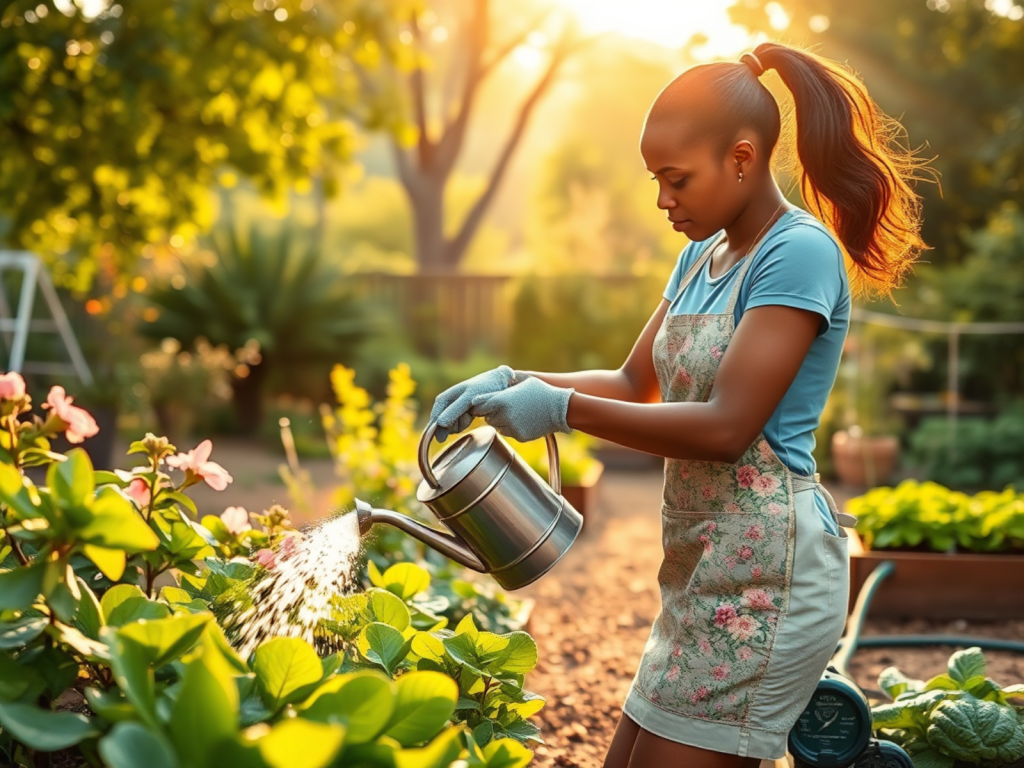
- Check Soil Moisture: Test your soil moisture regularly by sticking your finger in the soil. If it feels dry, it’s time to water.
- Water Deeply: Water your plants deeply to encourage deep root growth. Aim to water early in the morning or late in the evening to avoid evaporation.
- Set Up Irrigation: If you have a larger garden, consider installing a drip irrigation system or soaker hoses to water plants more efficiently.
7. Check for Pests and Diseases
Why It’s Important: Spring is when insects and pests start to become active, and it’s essential to stay on top of potential threats to your plants.
Tasks to Complete:
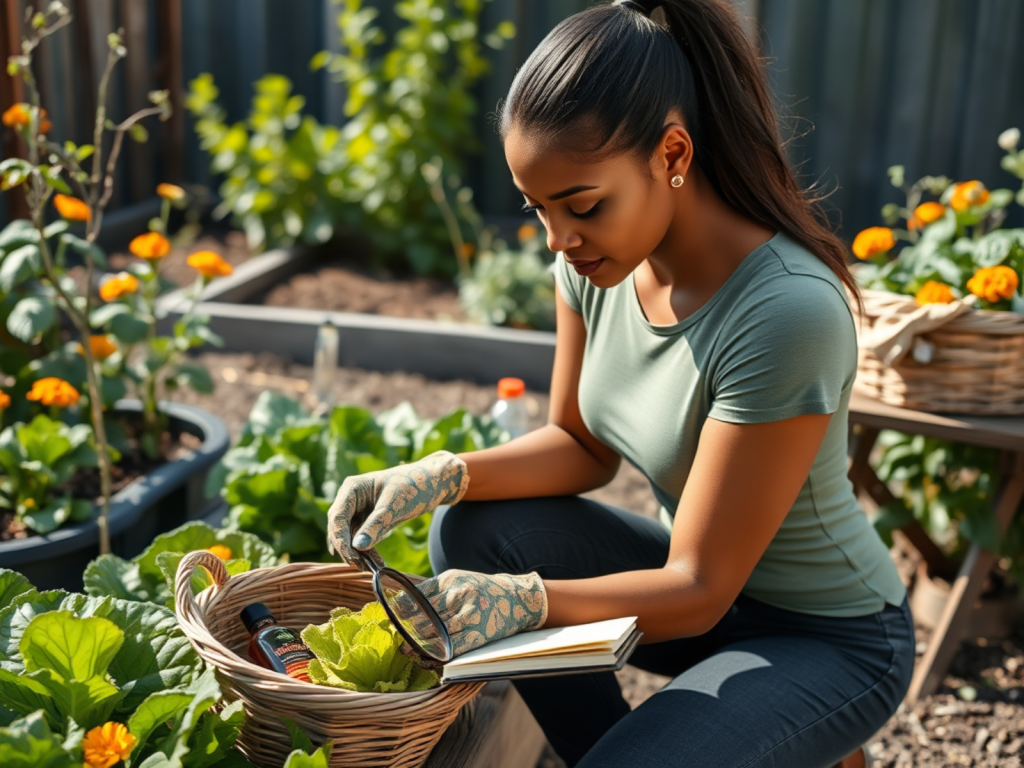
- Inspect for Pests: Look for any signs of pest damage, such as chewed leaves or holes in flowers. Common garden pests include aphids, slugs, and caterpillars.
- Use Natural Remedies: If you spot pests, try using natural remedies like neem oil, insecticidal soap, or a DIY garlic spray to protect your plants.
- Monitor for Diseases: Keep an eye out for signs of fungal or bacterial diseases, such as discolored leaves or moldy growth. Remove any affected plants and dispose of them to prevent the spread.
8. Prepare Your Outdoor Tools
Why It’s Important: A well-maintained set of garden tools makes the tasks ahead much easier! Spring is the perfect time to clean and sharpen your tools before you get started.
Tasks to Complete:
- Clean and Sharpen Tools: Scrub dirt off of shovels, trowels, and pruners, and sharpen the blades to make gardening more efficient.
- Check for Damage: Inspect hoses, gloves, and any other tools to ensure they’re in good working condition. Replace anything that’s worn out or broken.

Conclusion: A Ready, Set, Go Spring Garden Awaits!
By following this spring garden checklist, you’ll be well on your way to creating a beautiful, thriving garden. From prepping the soil to planting new seeds, pruning, and tackling pests, there’s a lot to do—but it’s worth it for the vibrant, healthy garden you’ll enjoy all season long. So get your gloves on, grab your tools, and start crossing off these essential tasks today!
What are your thoughts about the Spring Garden Checklist: What to Plant, Prune, and Prepare Please share in the comments below. I really would love to know.
Until next time, shine amongst the stars!
‘This post may contain affiliate links
If you haven’t made enough money blogging, look into taking the
Complete Guide to Make Money Blogging for only
($10… WOW 95% Off for a limited time).
🌱 Ready for a thriving garden this spring? Check out our ultimate spring garden checklist with everything you need to plant, prune, and prepare your outdoor space! 🌸🌿 #SpringGarden #GardeningTips #PlantingSeason

I have so many jobs to do ths weekend to prepare my garden for planting!
We have started our seeds inside at the moment! It’s the perfect time to start – thank you for sharing your tips.