

Spring is here, and it’s the perfect time to get your hands in the dirt and start a garden! Whether you’ve always wanted to grow your own veggies, herbs, or flowers, starting a garden in spring can be a rewarding and relaxing experience. But if you’re new to gardening, it can feel a little overwhelming at first. Don’t worry—this beginner’s guide will help you get started with everything you need to know about planting your first garden.
Why Spring is the Best Time to Start a Garden
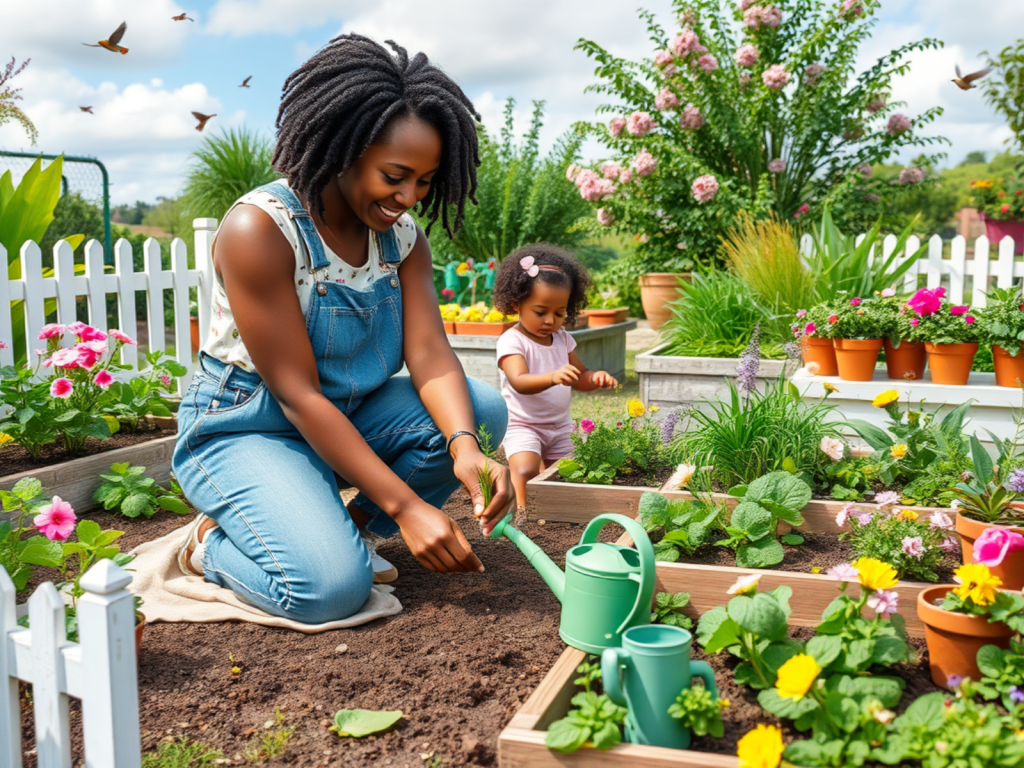
Spring is the season of growth, with warmer temperatures and longer days. It’s the ideal time to plant a variety of flowers, vegetables, and herbs that thrive in the sunshine. The soil is usually warmer, and rainfall is more consistent, which gives plants the perfect conditions to establish strong roots and grow quickly.
By starting your garden in the spring, you’ll be able to enjoy the fruits of your labor all season long, from fresh tomatoes and herbs to beautiful blooms. Plus, gardening is a fun and rewarding way to connect with nature and reduce stress!

1. Choose the Right Plants for Your Area
Before you start planting, it’s essential to choose the right plants for your garden’s location. Not all plants thrive in every climate, so you’ll want to select plants that are well-suited to your region.
- Climate Zones: Different regions have different climate zones, so check your area’s USDA hardiness zone to find out which plants will grow best where you live.
- Consider Sunlight Needs: Most plants need at least 6 hours of direct sunlight each day, but some, like leafy greens and ferns, prefer partial shade. Be mindful of where you plant your garden and how much sun it gets throughout the day.
Tip: If you’re in a cooler region, start with hardy plants like spinach, lettuce, and kale. Warmer regions are great for growing tomatoes, peppers, and squash!

2. Prepare Your Soil for Planting
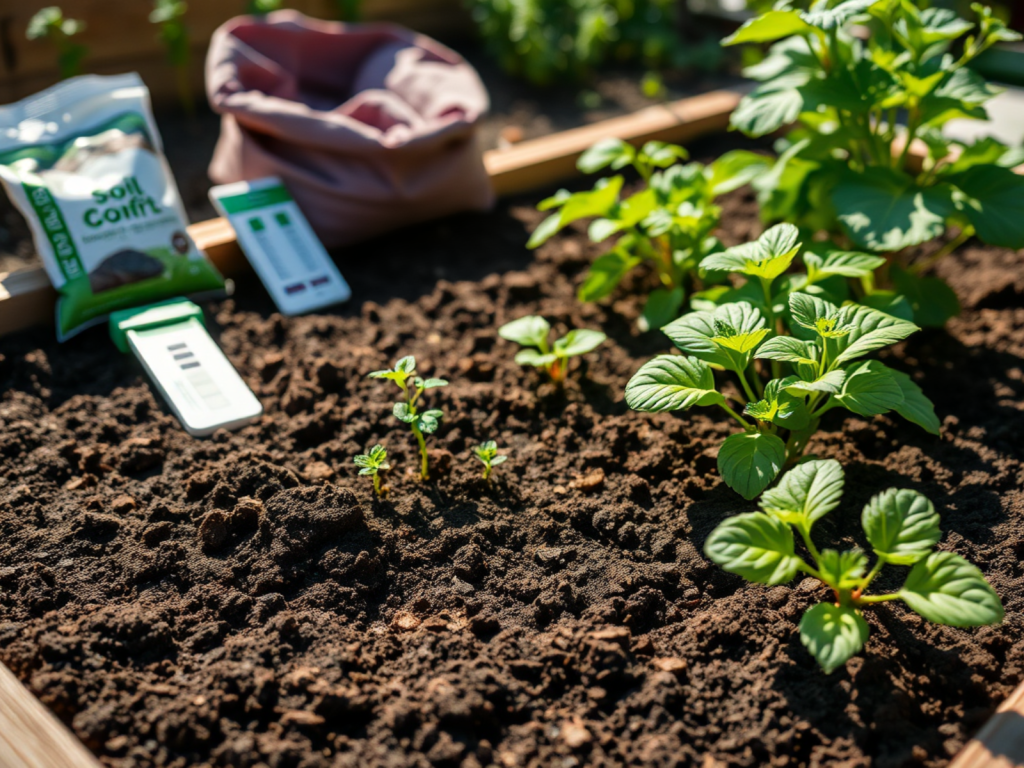
The foundation of any successful garden is healthy soil. Good soil will allow your plants to root properly, absorb nutrients, and grow strong.
- Soil Quality: You’ll need soil that’s rich in organic matter, well-draining, and has a slightly acidic to neutral pH. If your soil is too clay-like or sandy, you can improve it by adding compost or organic matter.
- Soil Testing: Consider getting a soil test kit to check your soil’s pH and nutrient levels. This will help you understand if you need to adjust your soil’s composition for optimal plant growth.
Tip: A raised garden bed is an excellent option for beginners, especially if your soil isn’t the best quality. Raised beds give you control over the soil and make it easier to manage your plants.
3. Gather the Right Tools
You don’t need a lot of fancy tools to start a garden, but there are a few essentials that will make your job easier:
- Trowel: A small hand shovel for digging and planting.
- Garden Gloves: Protect your hands from dirt, thorns, and other garden-related hazards.
- Watering Can or Hose: To keep your plants hydrated.
- Pruning Shears: For trimming and cutting plants as they grow.
Tip: If you’re just starting, you can find affordable garden tool kits that include everything you need to get going.

4. Start Small and Plan Your Garden Layout
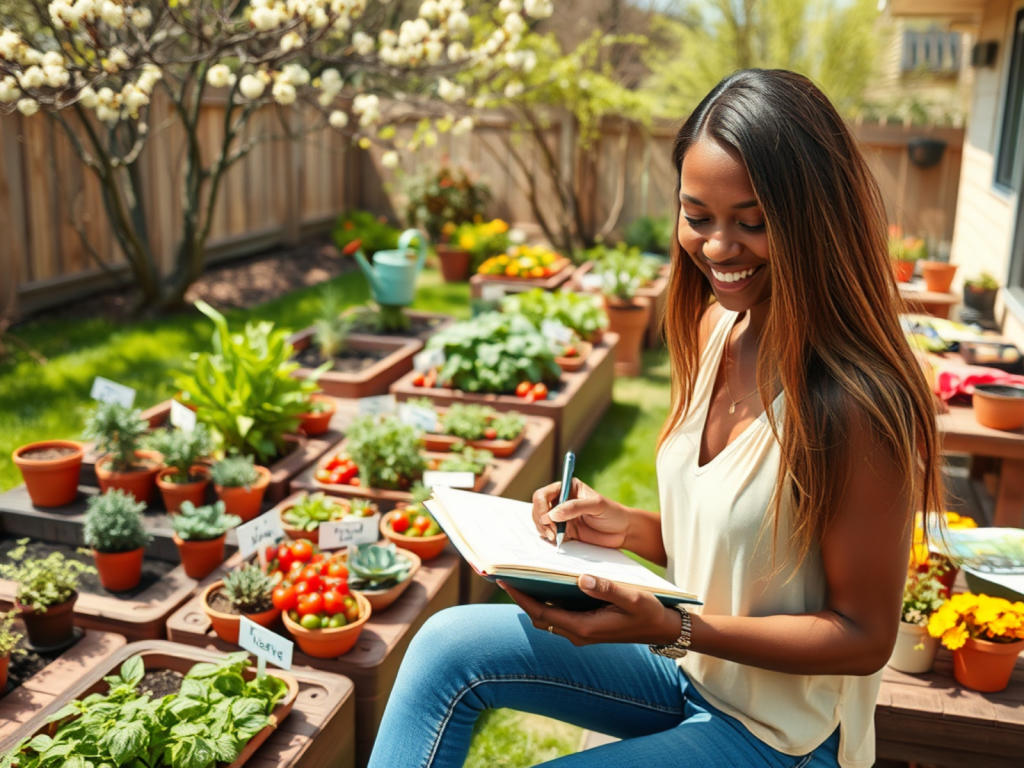
When you’re new to gardening, it’s best to start small. Choose a small plot of land or a few containers where you can grow your plants. This will allow you to focus on the basics without feeling overwhelmed.
As you plan your garden layout, think about the following:
- Spacing: Make sure your plants have enough room to grow. Check the seed packet or plant label for spacing recommendations.
- Companion Planting: Some plants grow better together. For example, basil can help tomatoes thrive, and marigolds can help deter pests. Research companion planting to maximize your garden’s success.
- Accessibility: Make sure your garden is easy to access for watering, weeding, and harvesting.
Tip: Container gardening is a great option if you have limited space or live in an apartment. Start with herbs or flowers in containers on your balcony or patio!
5. Watering and Maintenance
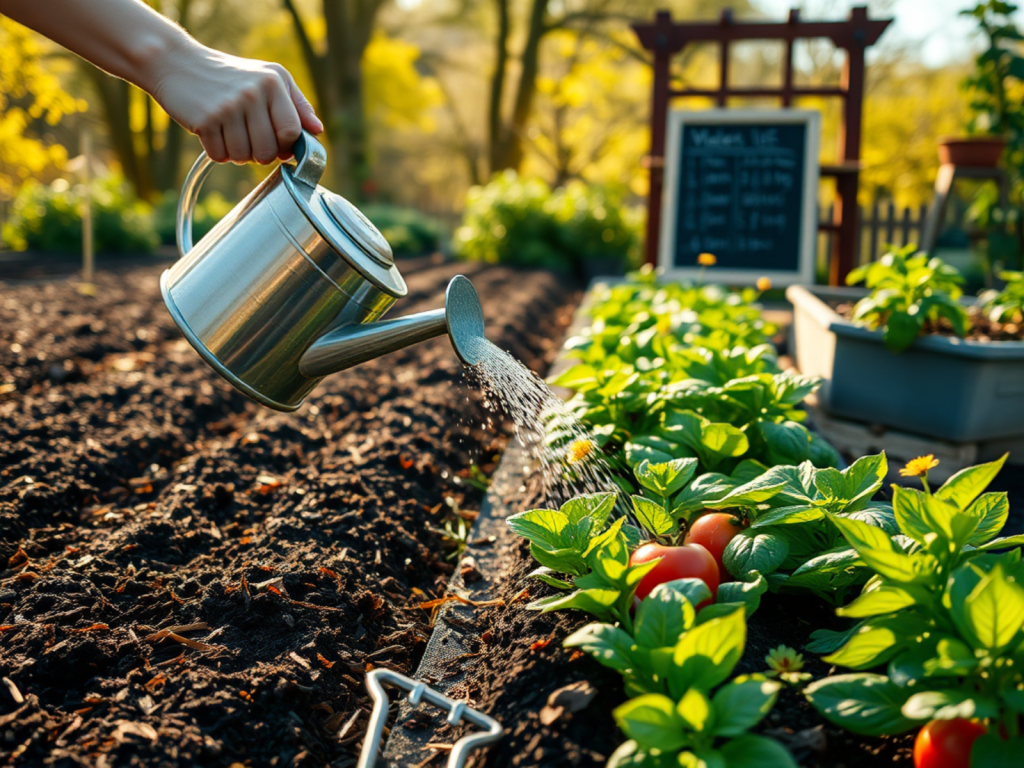
Proper watering is key to your garden’s success. Over-watering or under-watering can lead to poor plant growth.
- How Often to Water: Most plants need to be watered about once a week, but this can vary depending on the plant type, the weather, and the soil. Generally, it’s better to water deeply but less frequently than to water a little bit every day.
- Morning Watering: Water your garden in the morning to allow the soil to dry out by evening and prevent mold or fungus from developing.
Tip: Mulching around your plants helps retain moisture, regulate soil temperature, and prevent weeds. Try using organic mulch, like straw or shredded leaves.
6. Be Patient and Have Fun!
Gardening is a long-term commitment, but it’s also a fun and rewarding one. Don’t expect everything to grow perfectly right away—plants need time to establish roots and grow. Be patient and take the time to learn as you go!
Enjoy the process of watching your garden grow, and don’t forget to celebrate small victories along the way. Whether it’s your first tomato or the first flower in bloom, it’s all part of the gardening journey.

Conclusion: Your Spring Garden Awaits!
Starting your first garden in spring is an exciting adventure! With the right plants, tools, and a little patience, you’ll be able to create a beautiful space that brings you joy and delicious produce all season long. Whether you’re growing flowers, herbs, or veggies, gardening is a rewarding hobby that’s perfect for spring. So, get your hands dirty, embrace the season, and enjoy all the wonderful things your garden has to offer!

What are your thoughts about the Spring Gardening 101: A Beginner’s Guide to Planting Your First Garden Please share in the comments below. I really would love to know.
Until next time, shine amongst the stars!
‘This post may contain affiliate links

If you haven’t made enough money blogging, look into taking the
Complete Guide to Make Money Blogging for only
($10… WOW 95% Off for a limited time).


Spring is the perfect time to start your first garden! 🌸🌿 Check out our beginner’s guide for tips on choosing the right plants, prepping soil, and tools you’ll need to get started. 🌱 #SpringGardening #GardeningForBeginners #FreshStart

I so useless when it comes to gardening , I hire someone to do it all for me , these will come in handy as we are trying to do things ourselves this year to save some pennies
We will be planting our first garden this year and we can’t be more excited about it. It is going to be amazing…Thank you so much for the tips, they’re very helpful.
Great tips. I would also add that amending the soil with compost in the fall is a great way to prepare the beds for spring.
Thanks for breaking it all down so clearly! With four kids, I’m always looking for ways to teach them something new and fun—and this guide is perfect. We’re starting with herbs this weekend!