

You wake up, reach for your phone, and see a wall of notifications. Class updates. Assignment alerts. Messages from group chats. Somewhere between all those pings, an important reminder quietly slips past. Later, it hits you. Something was forgotten. Now a deadline is approaching, and stress is rising. Sound relatable? You are not alone.
Student life moves fast. Between lectures, study sessions, part-time jobs, social plans, and personal goals, your mind is already full. Digital reminders help, but they rely on perfect timing and constant attention. This is where visual planning with a large wall calendar steps in.
With it, you can see your schedule clearly instead of chasing scattered alerts. It helps you organize coursework, balance responsibilities, and avoid last-minute panic. Sounds exaggerated? It really does work that way.
This article gives you four clear reasons why.

Digital Reminders Disappear Too Quickly
Notifications are designed to be brief. They pop up. You glance. You swipe. Then they are gone. If the timing is off, the reminder disappears before you act on it. That short interaction is often not enough to lock a task into memory.
When everything depends on short-lived alerts, the organization becomes fragile. One busy moment, one ignored ping, and a responsibility slips through. Over time, this leads to last-minute rushes, missed deadlines, and growing anxiety.
Visual planning works differently. A calendar planner stays in one place where you can see it throughout the day. You notice it while getting ready, studying, or winding down at night. Those natural glances keep important dates and tasks active in your mind. Instead of depending on perfect timing, you build a system that stays visible, steady, and reliable every day.

A Large Visual Planner Shows the Full Picture
One of the biggest challenges in student planning is seeing how everything connects. Weekly digital calendars limit your view. You scroll, tap, and switch screens just to understand what the next month looks like. That makes long-term planning harder than it needs to be.
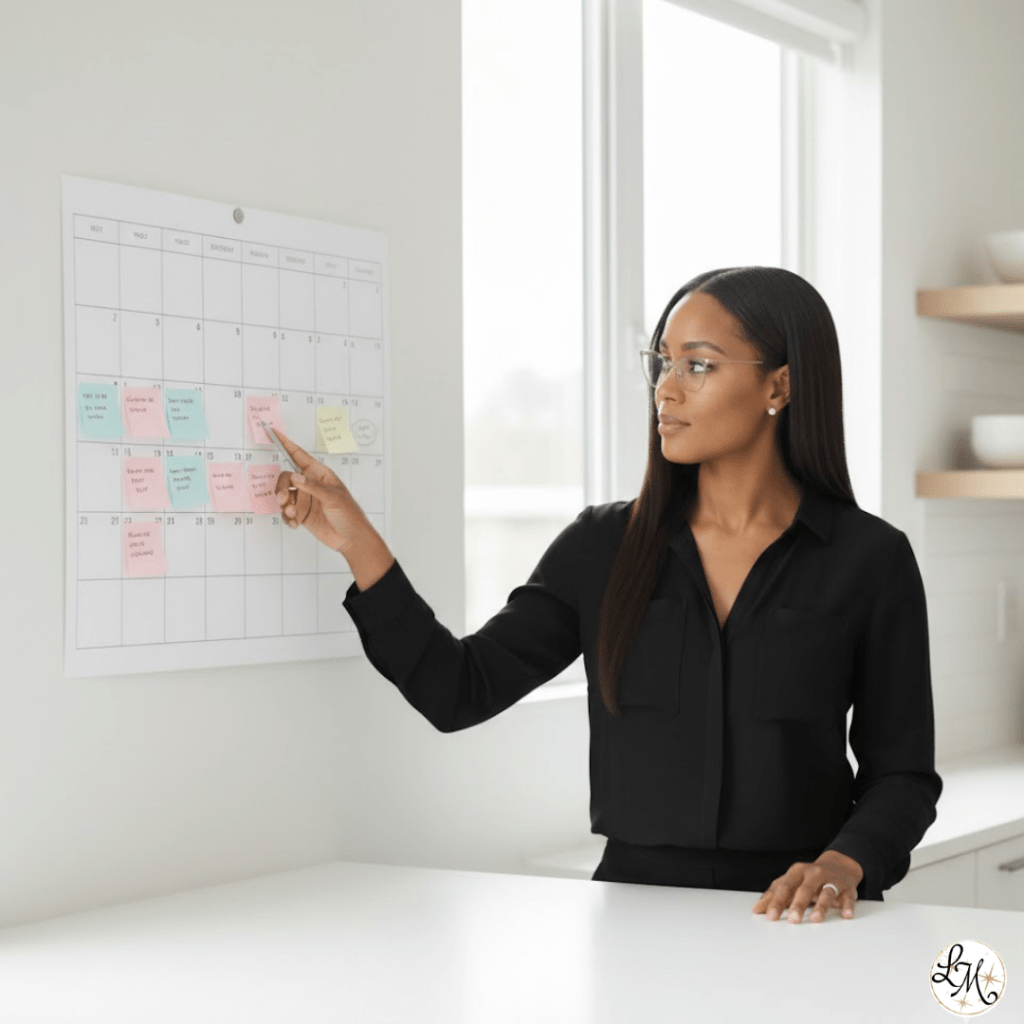
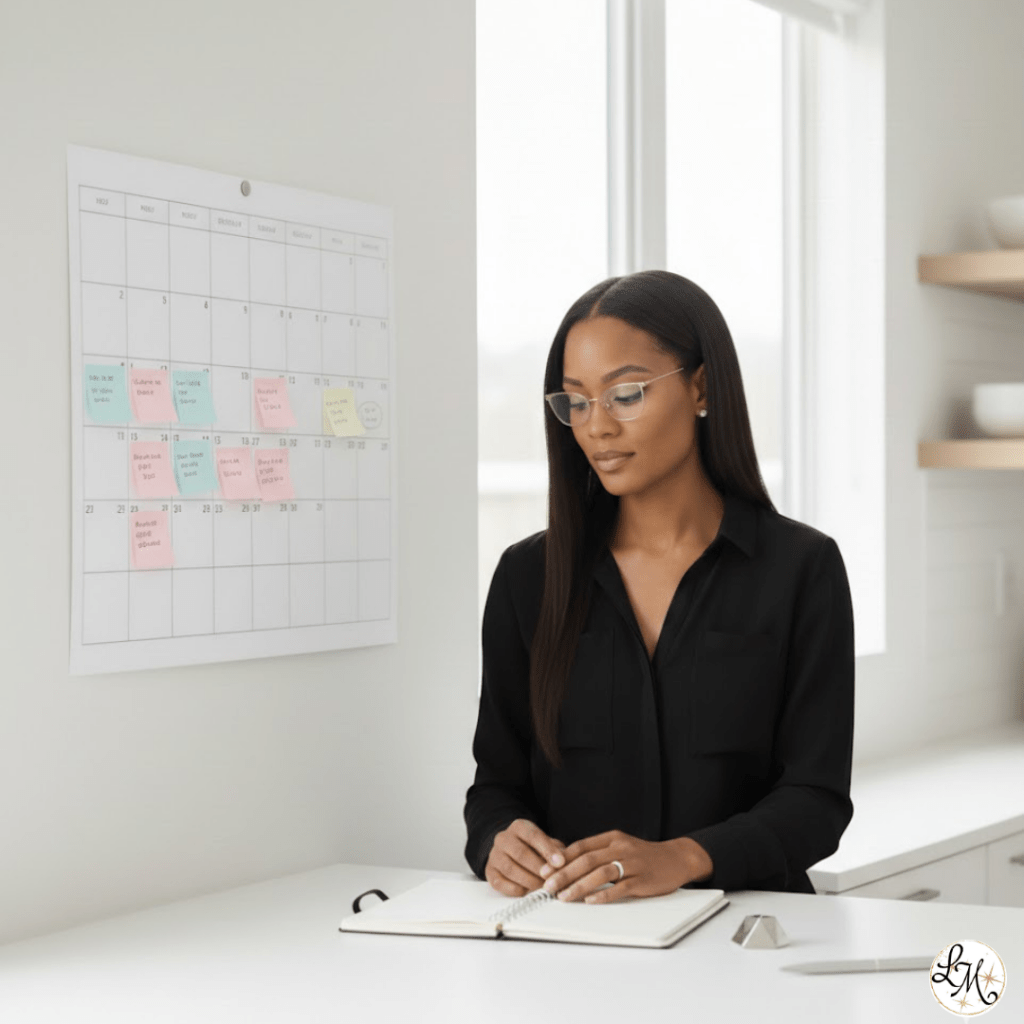
Planning visually with a large wall calendar changes that experience completely. It displays months and weeks together in one open view. You can see the semester at a glance, with assignment deadlines, exam periods, holidays, and personal plans sitting side by side. This broad perspective helps you plan ahead instead of reacting at the last minute.
What makes the experience even better is that some brands, such as The Big Ass Calendar, include color-coded adhesive labels and a dry-erase marker with their calendars. These tools let you assign colors to subjects, projects, or personal goals and update plans easily when schedules shift. That flexibility keeps your planner clean, adaptable, and easy to use.
When your entire timeline lives in front of you, planning stops feeling overwhelming. You are no longer guessing what is coming next. You can see it clearly.
Physical Visibility Builds Daily Accountability
When your plans live inside an app, it is easy to ignore them. A screen closes. A tab disappears. Out of sight often becomes out of mind. But when your plans live on your wall or desk, they become part of your everyday space. You see them while getting ready, sitting down to study, or winding down for the night. That constant presence keeps your priorities quietly in view.
This ongoing visibility supports steady progress and helps goals feel easier to accomplish. Instead of waiting for a reminder to appear, you naturally check what lies ahead. You start breaking larger tasks into smaller, realistic steps because you can clearly see the time available. Deadlines feel less sudden. Work feels more manageable. You move forward with intention rather than urgency.
For students balancing many responsibilities, this creates gentle accountability. Not pressure, but awareness. A calm visual cue that keeps you on track without relying on constant digital nudges.
Having Your Plans in Sight Reduces Mental Clutter
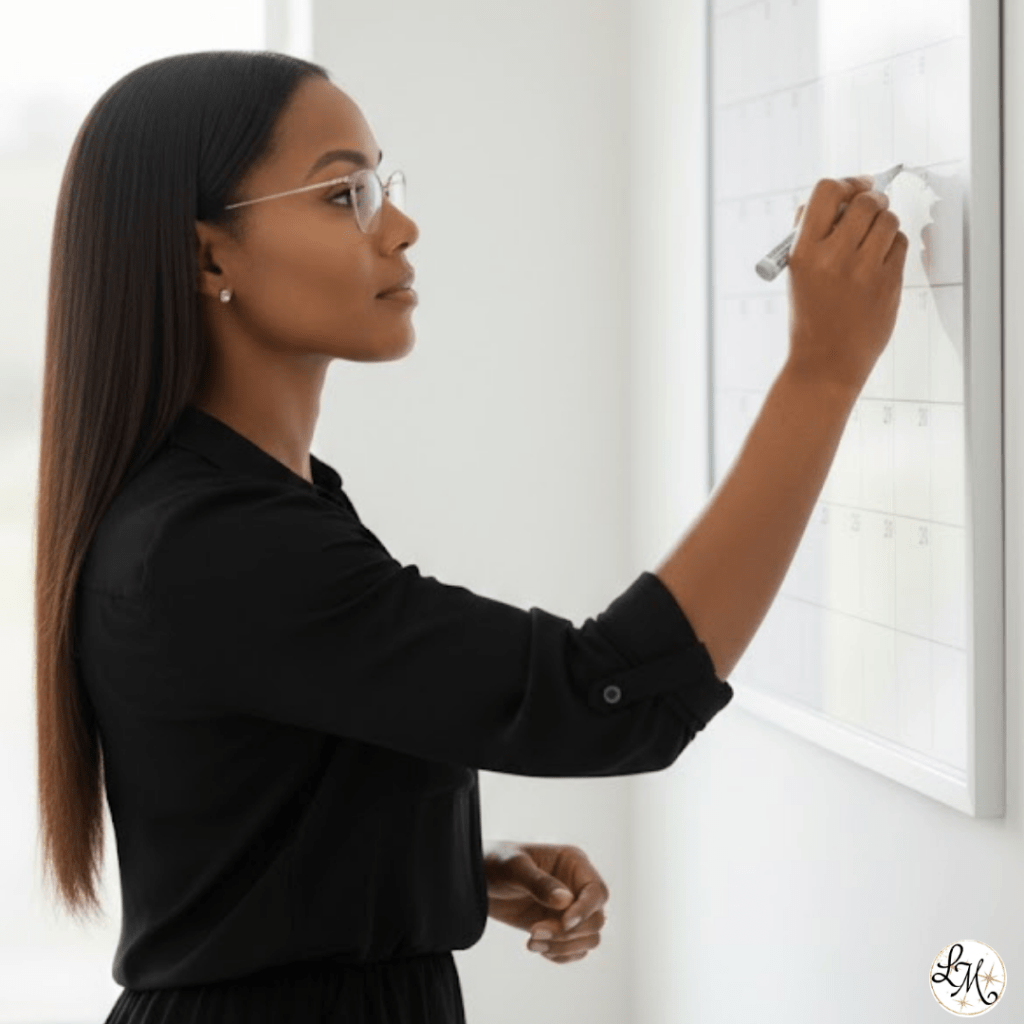
Trying to hold every deadline, appointment, and commitment in your head takes effort. When too many details float around in your mind, stress builds quickly. Visual planning eases that pressure by moving information out of your thoughts and onto a surface you trust.
Once everything is written and visible, your brain relaxes. You stop worrying about forgetting something important. You make decisions faster because your options are laid out clearly in front of you. Planning stops feeling like guesswork and starts feeling structured.
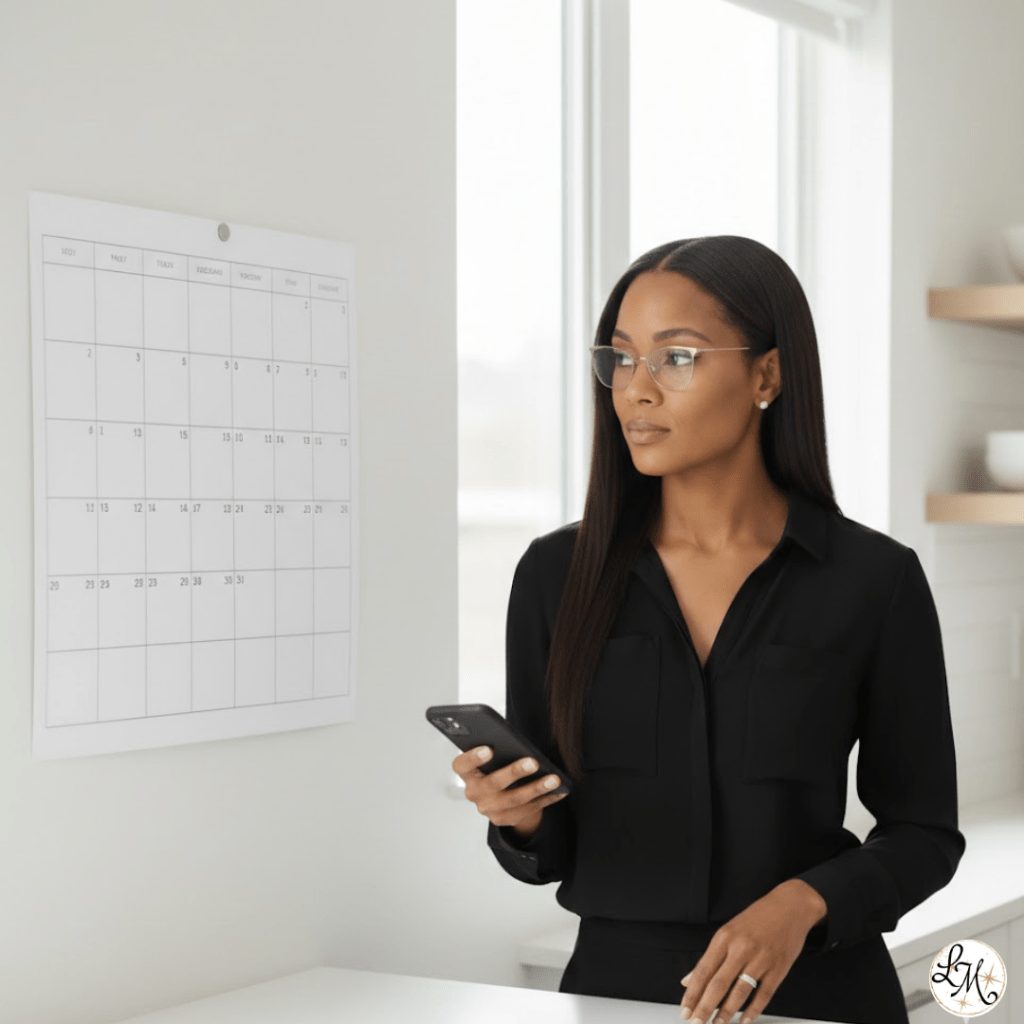
Visual planning also supports emotional balance. It helps you:
- Feel more in control of your time
- Reduce last-minute panic
- Create realistic daily and weekly expectations
- Separate academic, personal, and work responsibilities
Instead of reacting to reminders all day, you move through your schedule with clarity. That shift alone can make busy student life feel far more manageable.
Wrapping Up
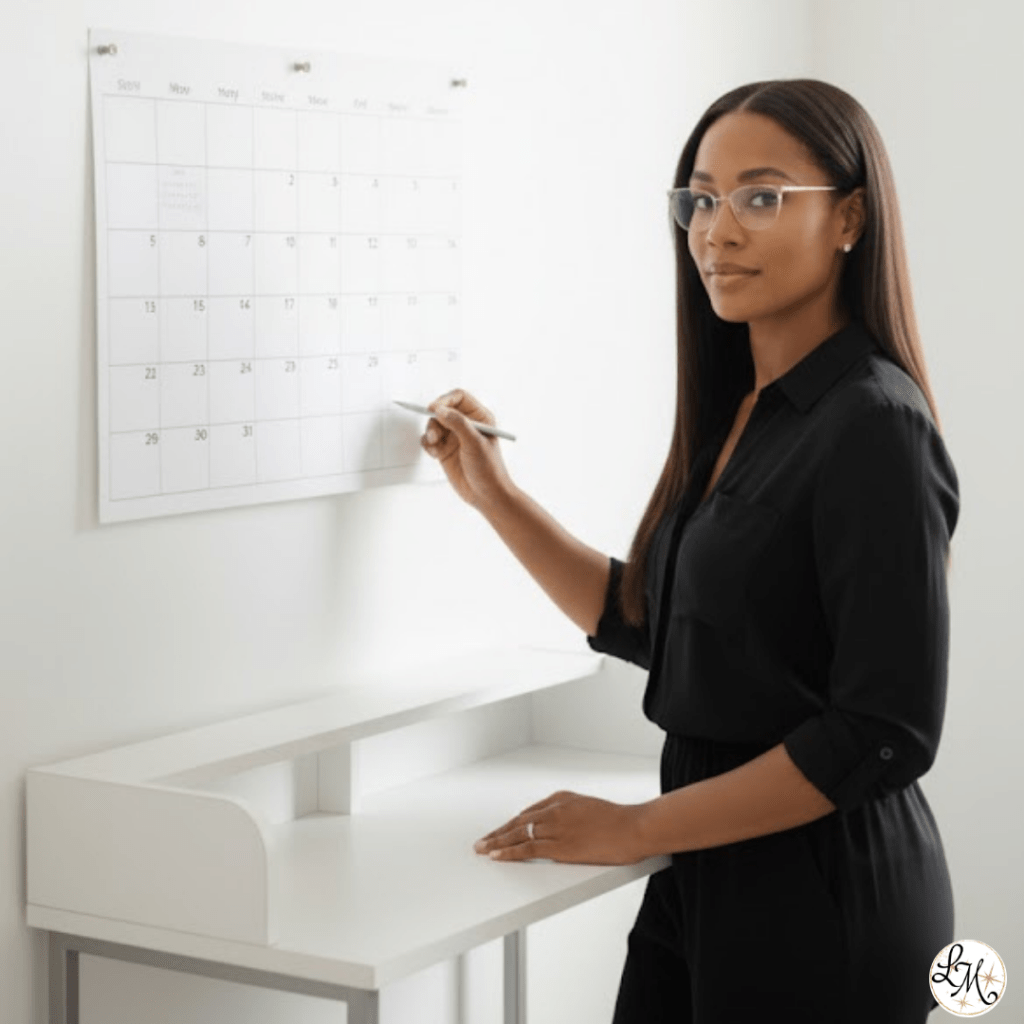
Digital reminders are useful tools, but they are not always enough on their own. Visual planning adds clarity, memory support, and daily awareness that notifications cannot provide. When you can see your time laid out in front of you, organization feels simpler and less stressful. For students juggling fast-moving schedules, visual tools offer structure without complexity. Pairing digital alerts with visual planning can turn everyday chaos into a calmer routine that supports both productivity and peace of mind.
What are your thoughts about the Why Visual Planning Works Better Than Digital Reminders Alone Please share in the comments below. I really would love to know.
Until next time, shine amongst the stars!
‘This post may contain affiliate links

If you haven’t made enough money blogging, look into taking the
Complete Guide to Make Money Blogging for only
($10… WOW 95% Off for a limited time).

✨ ❤️ #LavandaMIchelle
