

The transition from traditional light bulbs to intelligent illumination is a significant step in modern home management. In 2026, lighting is no longer just a functional necessity; it is a vital tool for setting the mood and enhancing the security of a residence.
However, many homeowners feel a sense of hesitation when faced with new integrated technologies. These questions often stem from concerns about installation complexity, cost, and long-term reliability.
Addressing these common uncertainties is the best way to simplify the transition toward a more responsive environment. Understanding how these systems work ensures that every resident can enjoy the benefits of a truly connected living space.
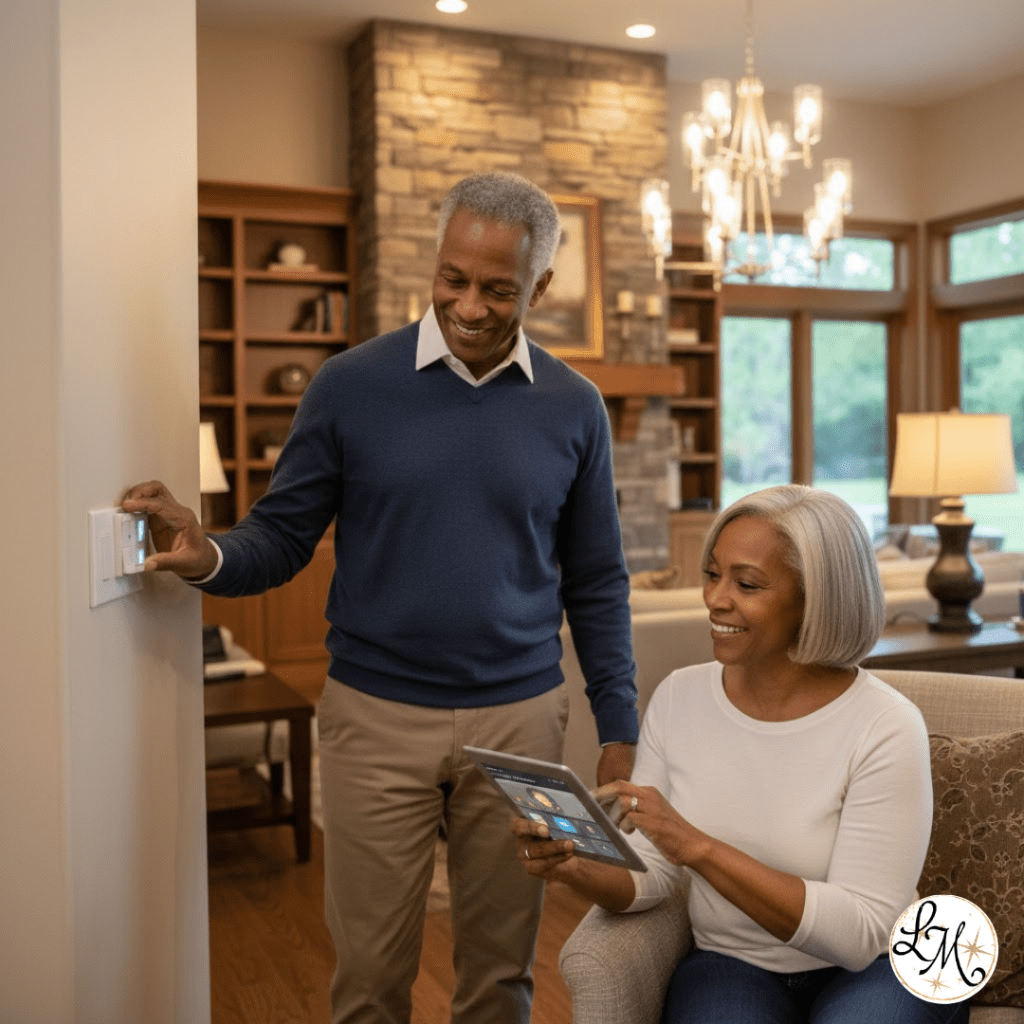
1. Is the Installation Process Complicated?
One of the most frequent concerns involves whether a full electrical rewire is necessary to upgrade a home. Fortunately, many modern solutions are designed to fit directly into existing standard electrical boxes without major modifications. This means that achieving professional results is possible without tearing open walls or hiring a large team of contractors.
While smart home lighting systems provide a high-tech transition, they remain fully compatible with traditional residential wiring and standard power grids. In fact, experts for smart home systems emphasize that their all-in-one control panels can be installed in minutes to replace a standard light switch. This specific hardware eliminates the need for extra hubs or messy cabling throughout the living area. These dedicated touchpoints provide an intuitive interface that makes managing every light in the room effortless for any user.
2. Are Special Smart Bulbs Required for Every Fixture?
Homeowners often wonder if they must replace every single light bulb in the house to gain automation features. While smart bulbs are an option, they can become quite expensive when dealing with large chandeliers or recessed ceiling lights. A more cost-effective approach involves installing smart switches or wall controllers that manage the entire circuit at once.
This flexibility allows for the use of existing LED or incandescent fixtures while still gaining full digital control. Managing the power at the switch level is often the most efficient way to upgrade a high-traffic room. It ensures that the automation remains active even if the physical light is toggled manually.

3. Can Physical Switches Still Be Used?
A common worry is that a house might become difficult for guests or family members who prefer traditional controls. It is essential for any modern setup to maintain a physical point of contact alongside voice and app commands. High-quality systems ensure that the house remains functional even if the internet connection happens to go down temporarily.
Tactile control provides a sense of reliability that software-only solutions sometimes lack in a busy household environment. Combining digital intelligence with a physical interface ensures that everyone in the home feels comfortable using the technology. This hybrid approach prevents the frustration of being locked out of basic lighting functions.
4. How Much Energy Will an Automated System Save?
Reducing monthly utility bills is a major motivation for many people looking into automated residential upgrades. Smart systems allow for precise dimming schedules and motion-based shut-offs that prevent energy waste in empty rooms. Features like “vacation modes” ensure that lights are only active when necessary to mimic occupancy for security purposes.
Over time, these small adjustments lead to a significantly smaller environmental footprint and lower overall operating costs for the property. Using sensors to turn off lights in hallways or bathrooms ensures that no electricity is wasted due to forgetfulness. Automation turns energy efficiency into a passive benefit that requires zero daily effort from the residents.
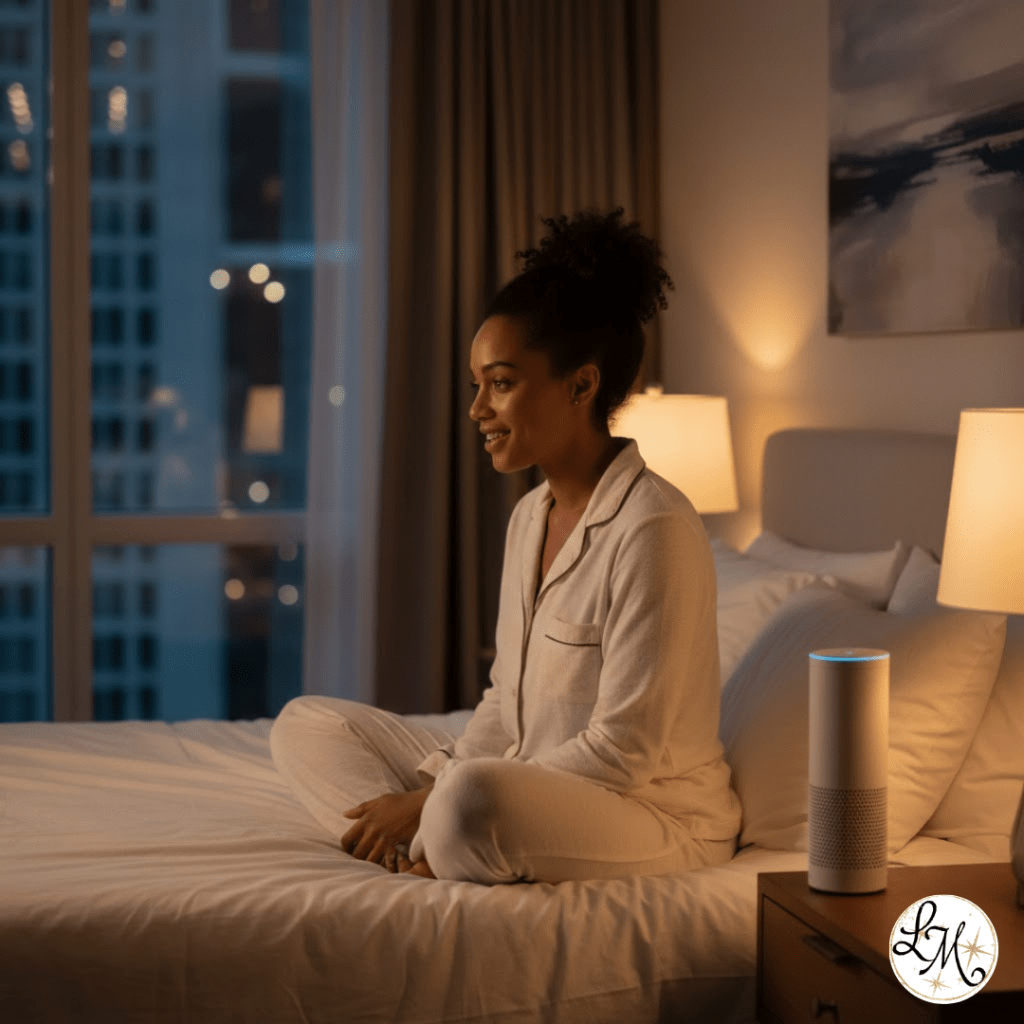
5. Will the Lighting Work With Existing Devices?
Compatibility is a top priority for anyone who already owns smart speakers, security cameras, or digital doorbells. A unified hub allows the lighting to react to other events, such as turning on the porch light when a camera detects motion. Integrated “scenes” can trigger multiple devices simultaneously, such as dimming the lights when the television is turned on.
Ensuring that all devices can communicate effectively creates a much more cohesive and supportive living environment for the family. Choosing a system that acts as a central bridge prevents the need to switch between different platforms constantly. This level of integration is what truly defines a modern intelligent residence.
Conclusion
Making the switch to intelligent lighting is a practical way to enhance both home security and daily comfort. Modern systems are specifically designed for reliability and ease of use, ensuring a smooth transition for any household. Addressing common questions about installation and compatibility helps homeowners make informed decisions for their long-term property value. Investing in a connected environment creates a supportive sanctuary that adapts to the needs of every resident. This upgrade represents a smart step toward a more efficient and future-proof living space.

What are your thoughts about 5 Common Questions People Ask Before Installing Smart Home Lighting Please share in the comments below. I really would love to know.
Until next time, shine amongst the stars!
‘This post may contain affiliate links


If you haven’t made enough money blogging, look into taking the
Complete Guide to Make Money Blogging for only
($10… WOW 95% Off for a limited time).


Thinking about installing smart home lighting? 💡 From “Do I need new bulbs?” to “Will my energy bill go down?”, we’re answering the top 5 questions homeowners ask in 2026. #SmartHome #HomeTech #EnergySaving✨ ❤️ #LavandaMIchelle
