
Did you know that protein accounts for about 20% of the human body and is crucial for almost every function? From muscle repair to immune support and hormone regulation, protein plays a vital role in our health. Let’s delve into how protein impacts these essential bodily functions and why it’s crucial to ensure an adequate intake.

Muscle Repair and Growth
Imagine a runner recovering from a marathon or an elderly person trying to maintain muscle strength—protein is their ally in this journey. Every day, our muscles undergo wear and tear from physical activity and basic movements. Protein provides the building blocks, known as amino acids, necessary for repairing and rebuilding these muscles. This process is crucial not only for athletes or those engaged in regular exercise but for everyone to maintain muscle mass and strength as they age.
A review published in the Journal of the International Society of Sports Nutrition highlighted that adequate protein intake, especially after exercise, supports muscle repair and adaptation, contributing to overall physical performance and resilience.


Immune Function
Proteins are integral to the immune system, playing a crucial role in producing antibodies and various immune cells that defend against infections and diseases. Immunoglobulins, a type of protein, help identify and neutralize pathogens like bacteria and viruses. Additionally, proteins are involved in signaling pathways that regulate immune responses, ensuring they are effective yet controlled.
A study published in the American Journal of Clinical Nutrition emphasized that inadequate protein intake can compromise immune function and increase susceptibility to infections.

Hormone Regulation
Proteins also serve as the building blocks for hormones, which act as messengers in the body, influencing processes ranging from metabolism to mood. Hormones such as insulin, glucagon, and growth hormone are all made from protein-derived amino acids. These hormones play critical roles in regulating blood sugar levels, metabolism, and growth processes.
Maintaining a balanced intake of protein is essential for ensuring these hormones can be synthesized effectively. Research has shown that protein deficiency can disrupt hormone production and lead to metabolic imbalances, contributing to conditions such as insulin resistance and hormonal disorders.
Ensuring an Adequate Protein Intake
Now that we understand the multifaceted role of protein in our health, how much protein should we consume daily? The recommended dietary allowance (RDA) for protein is approximately 0.8 grams per kilogram of body weight for adults. However, individual protein needs can vary based on factors such as age, activity level, and overall health goals.
For those who are physically active or looking to build muscle, higher protein intake within a range of 1.2 to 2.0 grams per kilogram of body weight may be beneficial. This range supports muscle repair, recovery, and adaptation to exercise.


Practical Tips for Protein Intake
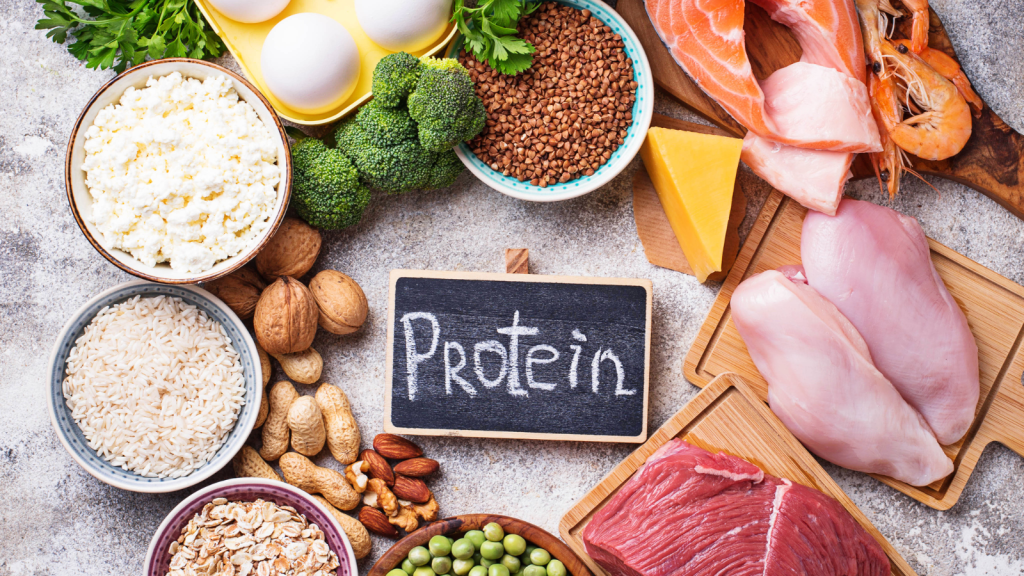
- High-Protein Foods: Include sources like lean meats, fish, eggs, dairy, legumes, nuts, and seeds.
- Meal Ideas: Consider meals like grilled chicken with quinoa, a veggie and bean stir-fry, or a protein smoothie with Greek yogurt and berries.
Conclusion
Protein is not just a macronutrient that fills us up; it is a vital component that supports numerous bodily functions essential for overall health and well-being. From muscle repair and immune function to hormone regulation, protein plays a pivotal role in maintaining our body’s structural integrity and physiological balance. By ensuring an adequate intake of protein through a balanced diet that includes both animal and plant-based sources, we can support these critical functions and promote long-term health.
Remember, consulting with a registered dietitian or healthcare professional can provide personalized guidance on your protein needs based on your individual circumstances and health goals.

Join ME on Social Media:
What are your thoughts about the Protein Power: Unlocking the Key to Muscle Repair, Immune Support, and Hormone Regulation? Remember, sharing is caring! Let’s encourage each other every step of the way. Together, we can achieve amazing things. 🌟
Until next time, shine amongst the stars!
‘This post may contain affiliate links

If you haven’t made enough money blogging, look into taking the
Complete Guide to Make Money Blogging for only
($10… WOW 95% Off for a limited time).



Disclaimer: This post is for informational purposes only and is not a substitute for professional medical advice. Always consult with a healthcare provider or registered dietitian for personalized dietary recommendations and health concerns.
Journal of the International Society of Sports Nutrition:
- Adequate protein intake, especially after exercise, supports muscle repair and adaptation, contributing to overall physical performance and resilience.
- Source: Journal of the International Society of Sports Nutrition
American Journal of Clinical Nutrition:
- Inadequate protein intake can compromise immune function and increase susceptibility to infections.
- Source: American Journal of Clinical Nutrition
Protein and Hormone Synthesis:
- Proteins serve as the building blocks for hormones, which influence processes ranging from metabolism to mood.
- Source: Hormone Health Network
Recommended Dietary Allowance (RDA) for Protein:
- The RDA for protein is approximately 0.8 grams per kilogram of body weight for adults.
- Source: National Institutes of Health
High-Protein Foods and Meal Ideas:
- Practical tips for including high-protein foods in your diet and meal ideas.
- Source: Harvard T.H. Chan School of Public Health
