
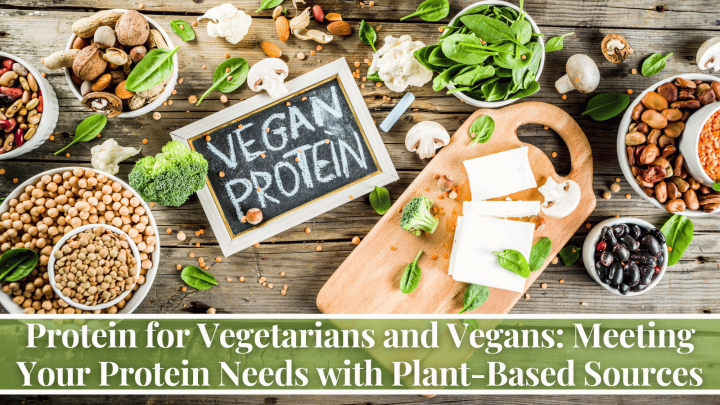
Maintaining adequate protein intake is crucial for overall health, supporting muscle repair, immune function, and hormone regulation. For vegetarians and vegans, meeting protein needs through plant-based sources requires thoughtful planning. This guide provides tips on how vegetarians and vegans can ensure they get enough protein, along with delicious cooking ideas featuring protein-rich foods.
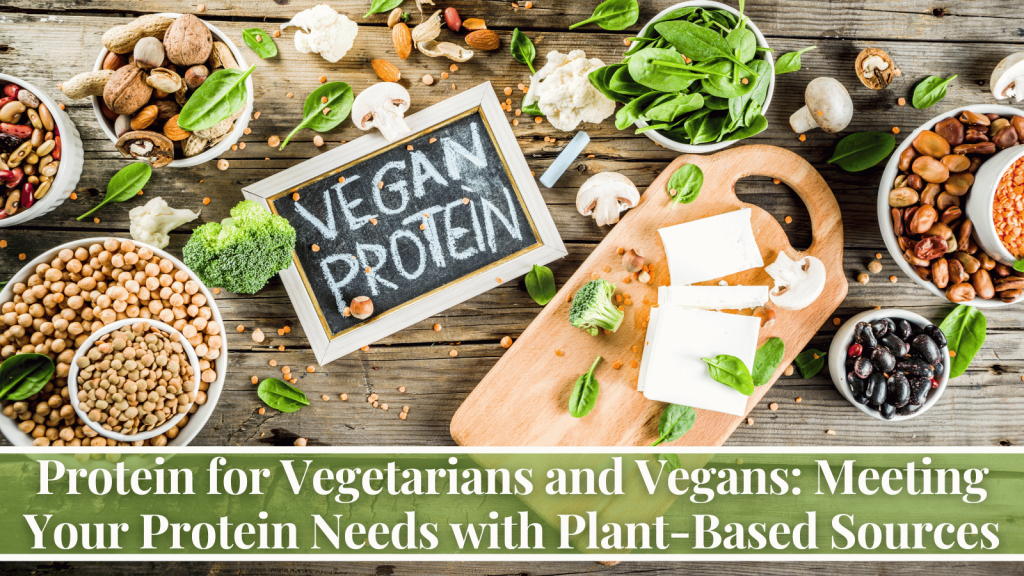
Understanding Protein Needs
The recommended dietary allowance (RDA) for protein is approximately 0.8 grams per kilogram of body weight for adults. However, individual needs can vary based on age, activity level, and health goals. Active individuals, including athletes and those engaging in regular exercise, may require higher protein intake to support muscle repair and growth .
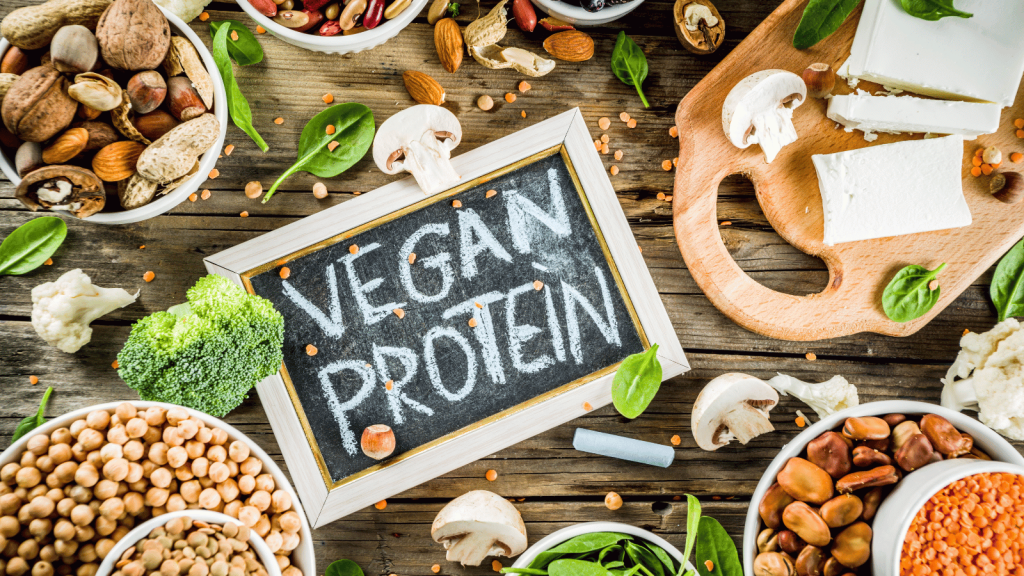
Top Plant-Based Protein Sources
1. Legumes
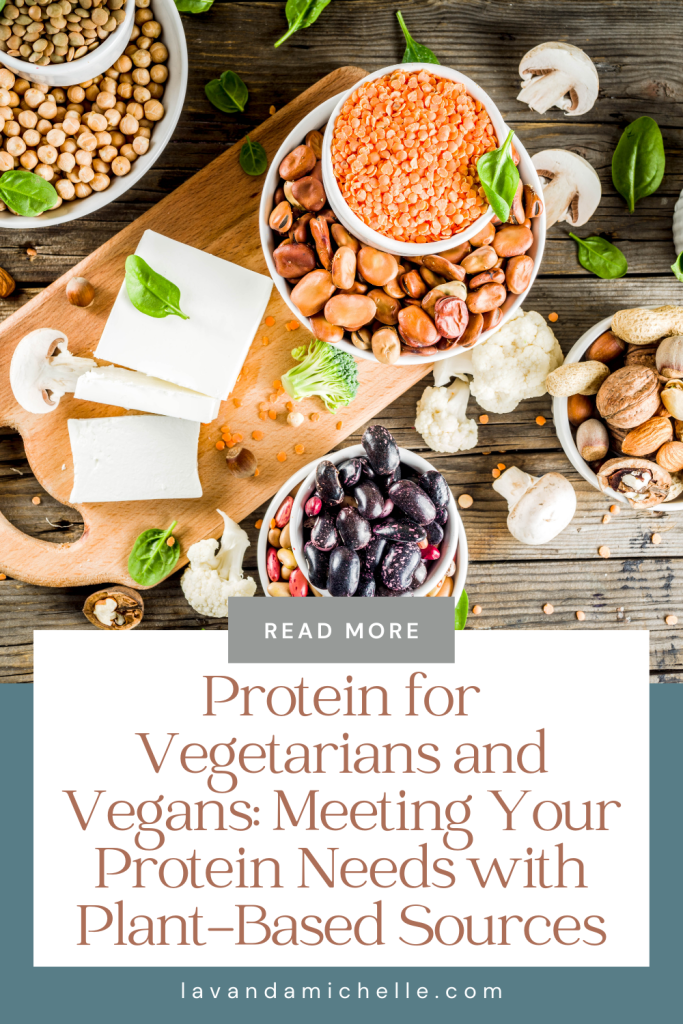
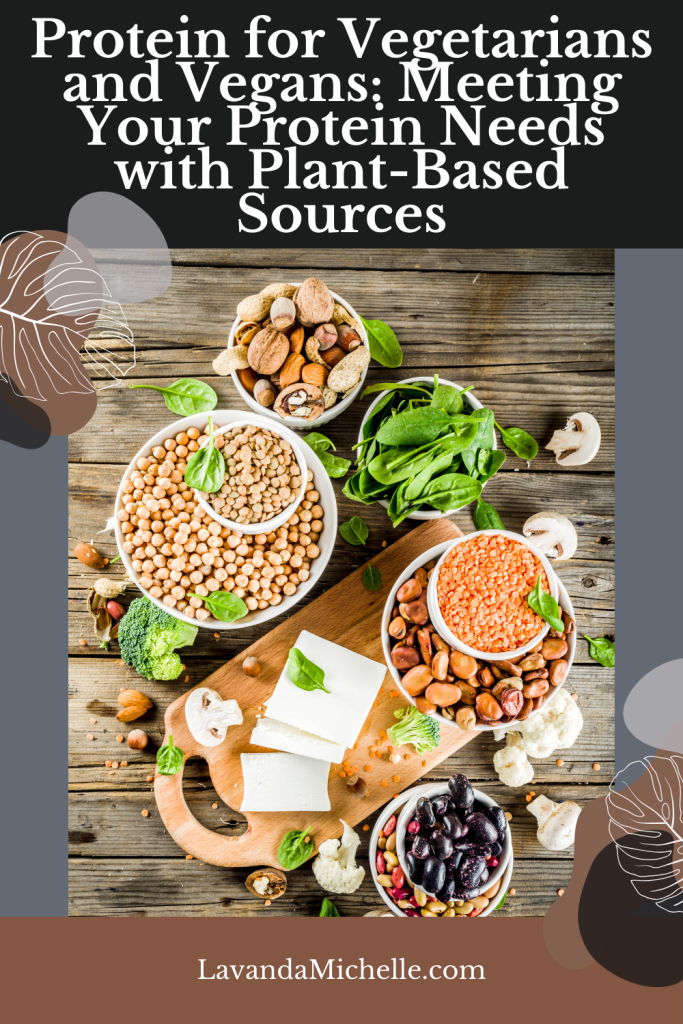
Legumes such as beans, lentils, chickpeas, and peas are excellent sources of protein. They are versatile, nutritious, and can be incorporated into a variety of dishes.
- Protein Content: Around 15-18 grams per cooked cup.
- Cooking Ideas: Lentil soup, chickpea curry, black bean tacos.
2. Tofu and Tempeh
Tofu and tempeh, both made from soybeans, are rich in protein and essential amino acids. They are great meat substitutes in many dishes.
- Protein Content: Tofu: 10 grams per 1/2 cup; Tempeh: 15 grams per 1/2 cup.
- Cooking Ideas: Stir-fried tofu with vegetables, tempeh salad, tofu scramble.
3. Quinoa
Quinoa is a complete protein, meaning it contains all nine essential amino acids. It is also high in fiber and other essential nutrients.
- Protein Content: 8 grams per cooked cup.
- Cooking Ideas: Quinoa salad, quinoa and vegetable stir-fry, quinoa breakfast bowl.
4. Nuts and Seeds
Nuts and seeds, including almonds, chia seeds, flaxseeds, and hemp seeds, provide protein, healthy fats, and other nutrients.
- Protein Content: Almonds: 6 grams per ounce; Chia seeds: 5 grams per ounce; Hemp seeds: 10 grams per 3 tablespoons.
- Cooking Ideas: Almond butter smoothie, chia seed pudding, hemp seed sprinkle on salads.
5. Whole Grains
Whole grains like brown rice, oats, and barley are good sources of protein and provide sustained energy.
- Protein Content: Brown rice: 5 grams per cooked cup; Oats: 6 grams per cooked cup.
- Cooking Ideas: Oatmeal with fruits and nuts, barley risotto, brown rice bowls.
6. Vegetables
Some vegetables, such as broccoli, spinach, and Brussels sprouts, contain decent amounts of protein, especially when consumed in larger portions.
- Protein Content: Broccoli: 4 grams per cooked cup; Spinach: 5 grams per cooked cup.
- Cooking Ideas: Spinach and chickpea stew, broccoli stir-fry, roasted Brussels sprouts.

Dairy and Eggs (for Lacto-Ovo Vegetarians)
Vegetarians can also include dairy and eggs in their diet to boost their protein intake:
Greek Yogurt: High in protein and versatile for various dishes.
- Cooking Ideas: Smoothies, parfaits, as a base for dips.
Cottage Cheese: Another excellent protein source.
- Cooking Ideas: On toast, in salads, or mixed with fruits.
Cheese: Provides a substantial amount of protein.
- Cooking Ideas: Cheese platters, in sandwiches, or melted over vegetables.
Milk: A good source of protein and can be used in many recipes.
- Cooking Ideas: In smoothies, cereal, or as a base for soups.
Eggs: A complete protein source, perfect for various meals.
- Cooking Ideas: Scrambled, boiled, in salads, or as part of a stir-fry.

Tips for Cooking with Protein-Rich Foods
1. Combine Protein Sources
Combining different plant-based protein sources can help ensure you get a complete amino acid profile. For example, pair beans with rice or nuts with whole grains.
2. Plan Balanced Meals
Ensure each meal contains a good balance of protein, healthy fats, and carbohydrates. This helps in nutrient absorption and keeps you full longer.
3. Experiment with Spices and Herbs
Enhance the flavor of plant-based dishes by experimenting with various spices and herbs. This can make your meals more enjoyable and nutritious.
4. Batch Cook and Meal Prep
Preparing protein-rich meals in advance can save time and ensure you always have healthy options available. Cook large batches of lentils, quinoa, and tofu dishes to store for the week.
5. Incorporate Smoothies and Snacks
Add protein to your diet through smoothies and snacks. Use protein-rich ingredients like almond butter, chia seeds, and spinach in your smoothies. Snack on nuts, seeds, and roasted chickpeas.
Conclusion
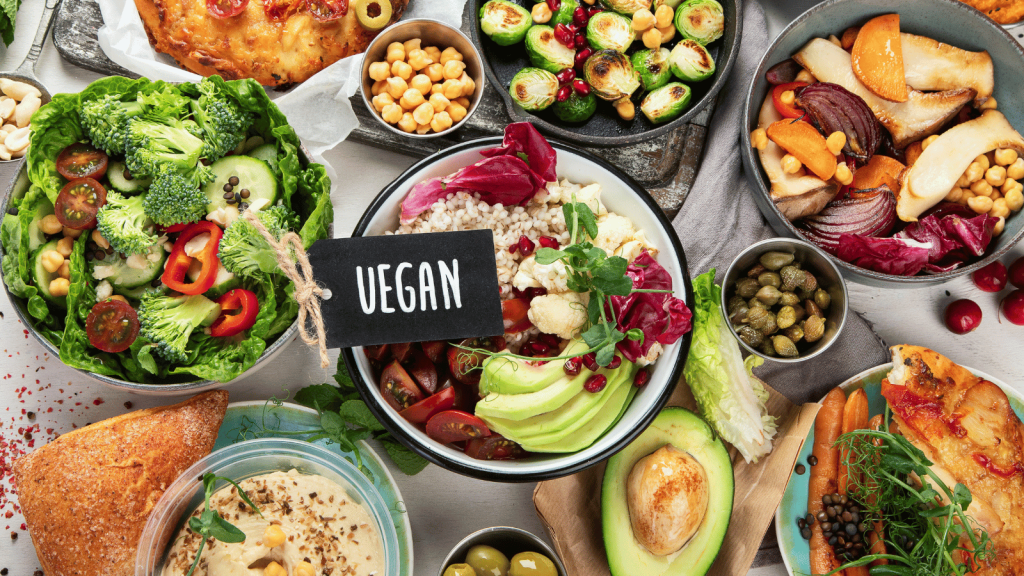
Vegetarians and vegans can meet their protein needs by incorporating a variety of plant-based sources into their diet. By understanding which foods are rich in protein and learning how to cook with them, you can ensure a balanced and nutritious diet that supports your health goals.
Remember, consulting with a registered dietitian can provide personalized guidance tailored to your specific dietary needs.

Join ME on Social Media:
What are your thoughts about the Protein for Vegetarians and Vegans: Meeting Your Protein Needs with Plant-Based Sources Remember, sharing is caring! Let’s encourage each other every step of the way. Together, we can achieve amazing things. 🌟
Until next time, shine amongst the stars!
‘This post may contain affiliate links

If you haven’t made enough money blogging, look into taking the
Complete Guide to Make Money Blogging for only
($10… WOW 95% Off for a limited time).


Disclaimer: This post is for informational purposes only and is not a substitute for professional medical advice. Always consult with a healthcare provider or registered dietitian for personalized dietary recommendations and health concerns.
Sources:
- Phillips, S. M., & Van Loon, L. J. (2011). Dietary protein for athletes: From requirements to optimum adaptation. Journal of Sports Sciences, 29(sup1), S29-S38.
- Campbell, W. W., & Leidy, H. J. (2007). Dietary protein and resistance training effects on muscle and body composition in older persons. Journal of the American College of Nutrition, 26(6), 696S-703S.
- Messina, V. (2014). Nutritional and health benefits of dried beans. The American Journal of Clinical Nutrition, 100(suppl_1), 437S-442S.
- Reidy, P. T., & Rasmussen, B. B. (2016). Role of ingested amino acids and protein in the promotion of resistance exercise-induced muscle protein anabolism. The Journal of Nutrition, 146(2), 155-183.
- Gorissen, S. H. M., & Witard, O. C. (2018). Characterising the muscle anabolic potential of dairy, meat and plant-based protein sources in older adults. Proceedings of the Nutrition Society, 77(1), 20-31.

As someone who works out regularly, I appreciate the focus on protein-rich plant-based foods. Tofu scramble and quinoa bowls are definitely going on my meal plan!
Thank you so much for this helpful article on plant-based protein sources! As a mom trying to ensure my family gets enough protein, your tips and cooking ideas are perfect. I can’t wait to try the lentil soup and quinoa salad recipes. Your guidance on balancing meals with protein, healthy fats, and carbs is super useful too!
Thanks for breaking down the protein content of these foods, Lavanda! It’s really helpful to know which plant-based sources are the most protein-packed.
Great insights, Lavanda! Eating plant-based not only benefits our health but also the environment. Your article makes it easier to incorporate more plant proteins into our diet.
This guide is exactly what I needed. I’m transitioning to a vegan diet and was worried about protein intake. These recipes and tips are super helpful!