
The Mediterranean diet is a dietary pattern traditionally followed in the countries bordering the Mediterranean Sea, including Greece, Italy, and Spain. Known for its health benefits, this diet emphasizes fresh, wholesome foods and promotes heart health and longevity. Here’s a detailed guide to the Mediterranean diet, along with a week-long meal plan to help you get started.
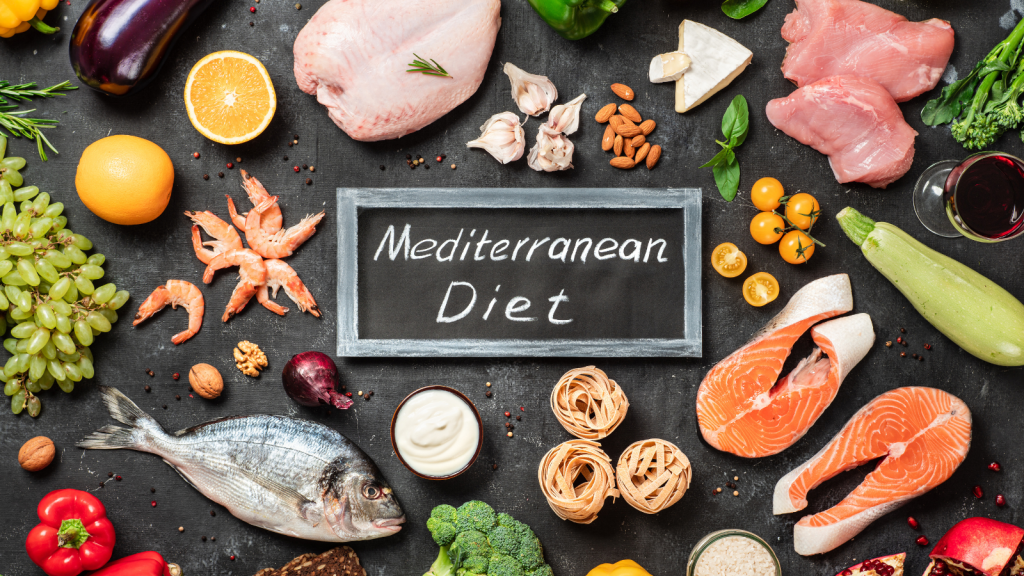
Core Components of the Mediterranean Diet
- Abundance of Vegetables and Fruits:
- Vegetables: From leafy greens to colorful peppers, vegetables are a staple in the Mediterranean diet. They are consumed in generous amounts and play a vital role in every meal.
- Fruits: Fresh fruits are the go-to dessert, providing natural sweetness and a burst of vitamins and antioxidants.
- Whole Grains:
- Whole grains like whole wheat bread, brown rice, barley, and oats are preferred over refined grains. These grains are rich in fiber, aiding digestion and providing sustained energy.
- Healthy Fats:
- Olive Oil: The cornerstone of Mediterranean cooking, olive oil is used for cooking, dressings, and even drizzling over dishes for extra flavor.
- Nuts and Seeds: Almonds, walnuts, chia seeds, and flaxseeds are commonly consumed, offering healthy fats and protein.
- Legumes:
- Beans, lentils, and chickpeas are regular fixtures in the Mediterranean diet, offering a great source of plant-based protein and fiber.
- Fish and Seafood:
- Fish, particularly fatty fish like salmon, mackerel, sardines, and tuna, is eaten at least twice a week. Seafood is also enjoyed for its lean protein and omega-3 fatty acids.
- Moderate Dairy:
- Dairy products, mainly yogurt and cheese, are consumed in moderation, providing calcium and probiotics.
- Poultry and Eggs:
- Poultry and eggs are eaten in moderate amounts, often as an alternative to red meat.
- Limited Red Meat:
- Red meat is consumed sparingly, only a few times a month, and in small portions.
- Wine:
- Moderate consumption of red wine, typically enjoyed with meals, is a common practice in the Mediterranean diet. It’s important to note that this is optional and should be approached mindfully.
- Herbs and Spices:
- Fresh herbs and spices are used liberally to flavor foods instead of relying on salt.

Health Benefits of the Mediterranean Diet
The Mediterranean diet is renowned for its numerous health benefits, backed by extensive research:
- Heart Health: Rich in healthy fats, fiber, and antioxidants, the Mediterranean diet is associated with a lower risk of heart disease.
- Weight Management: The emphasis on whole, minimally processed foods helps in maintaining a healthy weight.
- Reduced Risk of Chronic Diseases: The Mediterranean diet is linked to a lower risk of type 2 diabetes, certain cancers, and neurodegenerative diseases.
- Longevity: Populations adhering to this diet tend to live longer, healthier lives.

The Mediterranean Lifestyle
Beyond the food, the Mediterranean diet embraces a holistic approach to well-being. Physical activity, such as walking and gardening, is a part of daily life. Meals are enjoyed with family and friends, fostering a sense of community and connection. This mindful eating practice contributes to overall happiness and satisfaction.

Mediterranean Diet Sample Meal Plan
Day 1
- Breakfast: Greek yogurt with honey, walnuts, and fresh berries.
- Lunch: Quinoa salad with cherry tomatoes, cucumbers, olives, feta cheese, and a lemon-olive oil dressing.
- Dinner: Grilled salmon with a side of sautéed spinach and garlic, served with a slice of whole-grain bread.
Day 2
- Breakfast: Whole-grain toast with avocado, cherry tomatoes, and a poached egg.
- Lunch: Lentil soup with a side salad of mixed greens, tomatoes, cucumbers, and olive oil dressing.
- Dinner: Chicken breast marinated in olive oil and herbs, roasted with vegetables (zucchini, bell peppers, and onions).
Day 3
- Breakfast: Oatmeal topped with fresh fruit, chia seeds, and a drizzle of honey.
- Lunch: Mediterranean tuna salad with mixed greens, olives, capers, and a balsamic vinaigrette.
- Dinner: Shrimp and vegetable stir-fry with brown rice.
Day 4
- Breakfast: Smoothie made with spinach, banana, Greek yogurt, and almond milk.
- Lunch: Whole-grain pita stuffed with hummus, shredded carrots, cucumbers, and mixed greens.
- Dinner: Baked eggplant Parmesan with a side of whole-grain pasta.
Day 5
- Breakfast: Fresh fruit salad with a dollop of Greek yogurt and a sprinkle of granola.
- Lunch: Chickpea and vegetable stew served with a side of whole-grain bread.
- Dinner: Grilled swordfish with a quinoa and black bean salad.
Day 6
- Breakfast: Whole-grain cereal with almond milk, topped with fresh berries.
- Lunch: Caprese salad with tomatoes, mozzarella, basil, and balsamic glaze.
- Dinner: Stuffed bell peppers with a mixture of brown rice, ground turkey, tomatoes, and spices.
Day 7
- Breakfast: Scrambled eggs with spinach, tomatoes, and whole-grain toast.
- Lunch: Falafel wrap with tzatziki sauce, cucumbers, and mixed greens.
- Dinner: Grilled lamb chops with a side of roasted Brussels sprouts and sweet potatoes.

Conclusion
The Mediterranean diet is a delightful and sustainable way to eat that can lead to significant health benefits. By focusing on fresh, wholesome foods and embracing a balanced lifestyle, you can enjoy both the flavors and the health rewards of this timeless diet. Start your journey towards better health and longevity by adopting the Mediterranean diet today. Bon appétit!

What are your thoughts about the Transform Your Health with the Mediterranean Diet: A Week-Long Meal Plan to Get Started. Please share in the comments below. I really would love to know.
Until next time, shine amongst the stars!
‘This post may contain affiliate links

If you haven’t made enough money blogging, look into taking the
Complete Guide to Make Money Blogging for only
($10… WOW 95% Off for a limited time).




Disclaimer for Blog Post:
The information provided in this blog post is intended for general informational purposes only and should not be considered as medical advice or a substitute for professional medical expertise. Always consult with a qualified healthcare provider before making any dietary changes or starting any new diet regimen, especially if you have pre-existing medical conditions or concerns. Individual nutritional needs may vary, and what works well for one person may not be suitable for another.
The Mediterranean diet is a well-regarded dietary pattern with numerous health benefits, but its effectiveness and appropriateness can vary depending on individual circumstances. While efforts have been made to ensure the accuracy of the information presented, we do not guarantee the completeness or reliability of any information provided.
By using the information presented in this blog post, you agree that we shall not be held responsible for any adverse effects, damages, or consequences resulting from the use or misuse of this information. Always use your discretion and seek professional advice tailored to your specific needs and health conditions.

i love the mediterranean diet and try to figure out how to work it into our routine each week.
You have made it so easy to follow the mediterranean diet with this 7 day meal plan.