

In recent years, the ketogenic diet, or keto diet, has surged in popularity as a transformative approach to weight loss and improved health. But what exactly is the keto diet, and how does it work? In this blog post, we’ll delve into the principles, benefits, and considerations of the ketogenic diet to help you understand if it’s the right choice for you.
What is the Keto Diet?
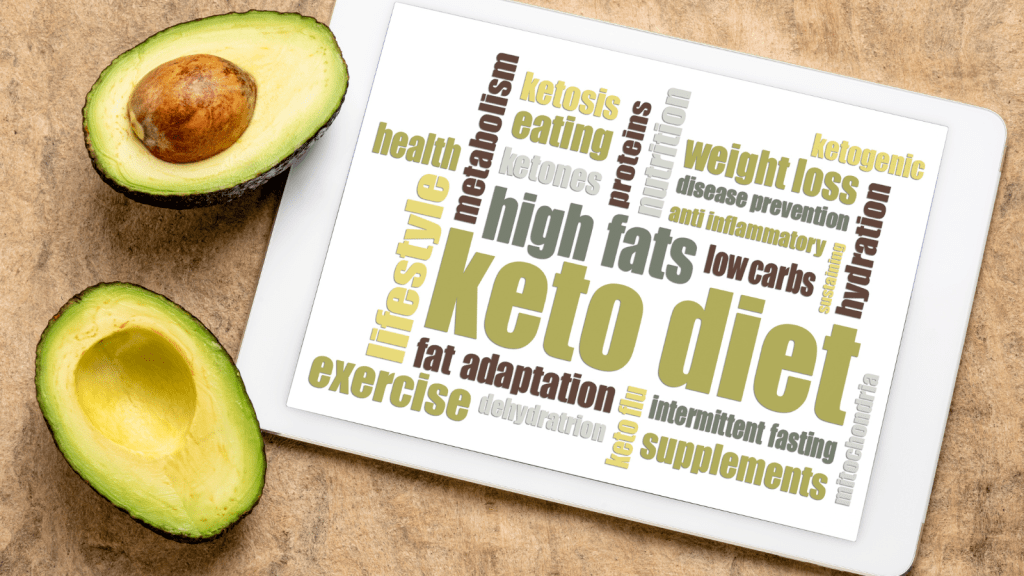
The keto diet is a high-fat, low-carbohydrate eating plan designed to shift your body’s metabolism into a state called ketosis. Normally, our bodies rely on carbohydrates as the primary source of energy. However, when carbohydrate intake is drastically reduced (typically to 20-50 grams per day), the body begins to burn stored fat for fuel instead. This metabolic switch leads to the production of ketones by the liver, which are used as energy in place of glucose.

Key Principles of the Keto Diet
- Low Carbohydrate Intake: Foods such as bread, pasta, rice, and sugary treats are minimized or eliminated to keep carbohydrate intake low enough to induce ketosis.
- Moderate Protein Consumption: Protein intake is moderate to prevent the body from converting excess protein into glucose, which could inhibit ketosis.
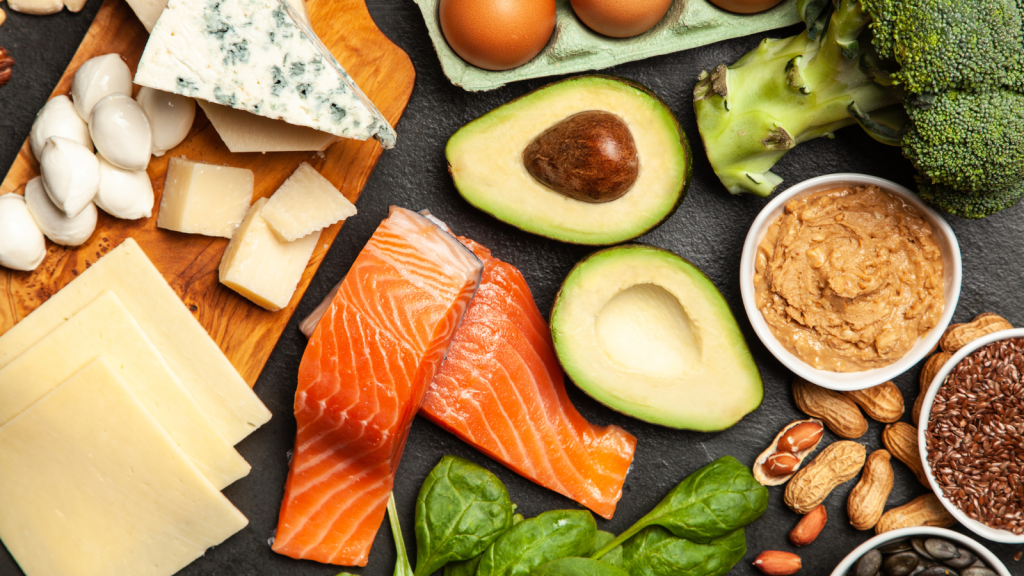
- High Fat Intake: Healthy fats like avocados, nuts, seeds, oils, and fatty fish are staples of the keto diet, providing the majority of daily calories.
- Achieving Ketosis: This is the hallmark of the keto diet, where the body efficiently burns fat for energy and produces ketones. It typically takes a few days to a week of strict carbohydrate restriction to enter ketosis.
Benefits of the Keto Diet
- Weight Loss: Many people turn to the keto diet for its effectiveness in promoting weight loss, especially visceral fat (fat stored around organs).
- Improved Blood Sugar Control: Some studies suggest that the keto diet can help lower blood sugar levels and improve insulin sensitivity, making it beneficial for individuals with type 2 diabetes or insulin resistance.
- Mental Clarity and Energy: Advocates of the keto diet often report increased mental clarity and sustained energy levels once they are fully adapted to using ketones for fuel.
- Potential Health Benefits: Research is ongoing, but the keto diet has shown promise in reducing inflammation, improving heart health markers, and possibly even benefiting certain neurological conditions like epilepsy and Alzheimer’s disease.

Foods to Eat and Avoid
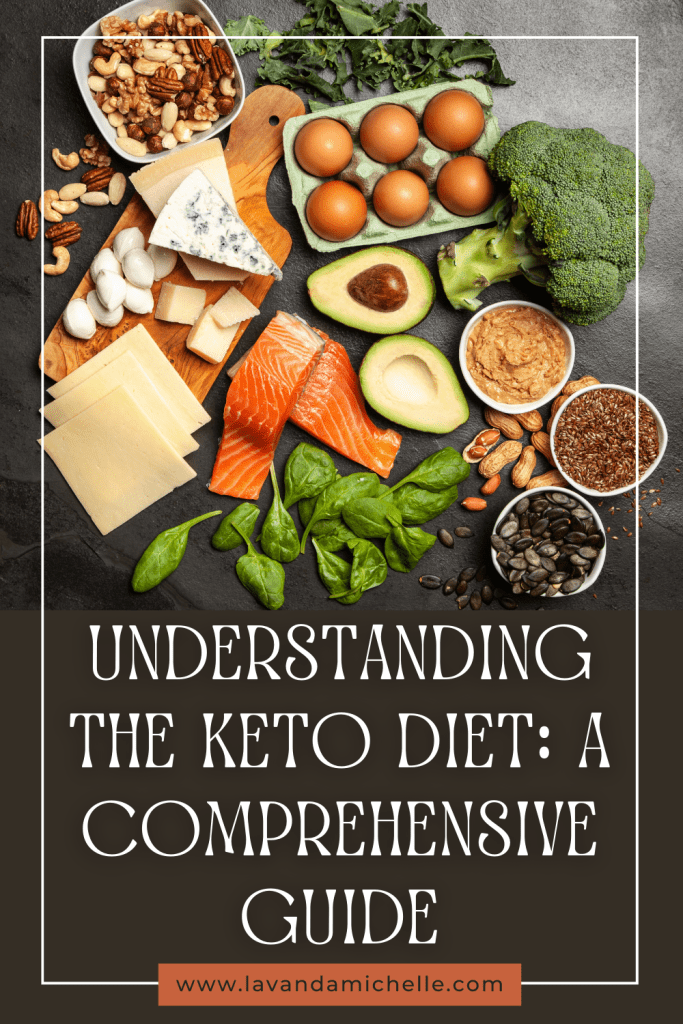
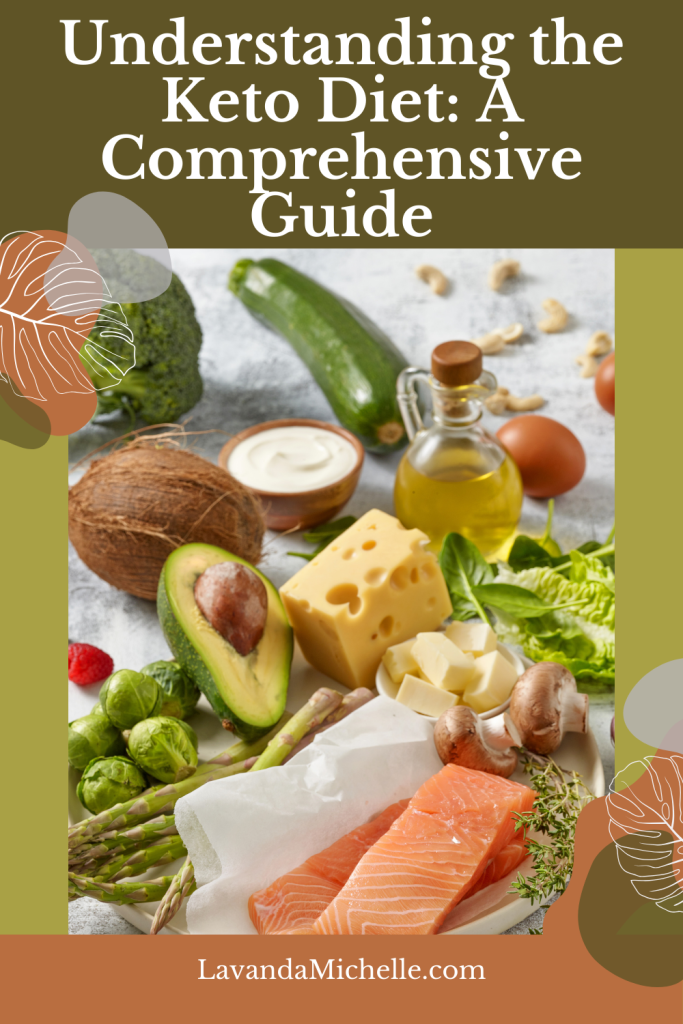
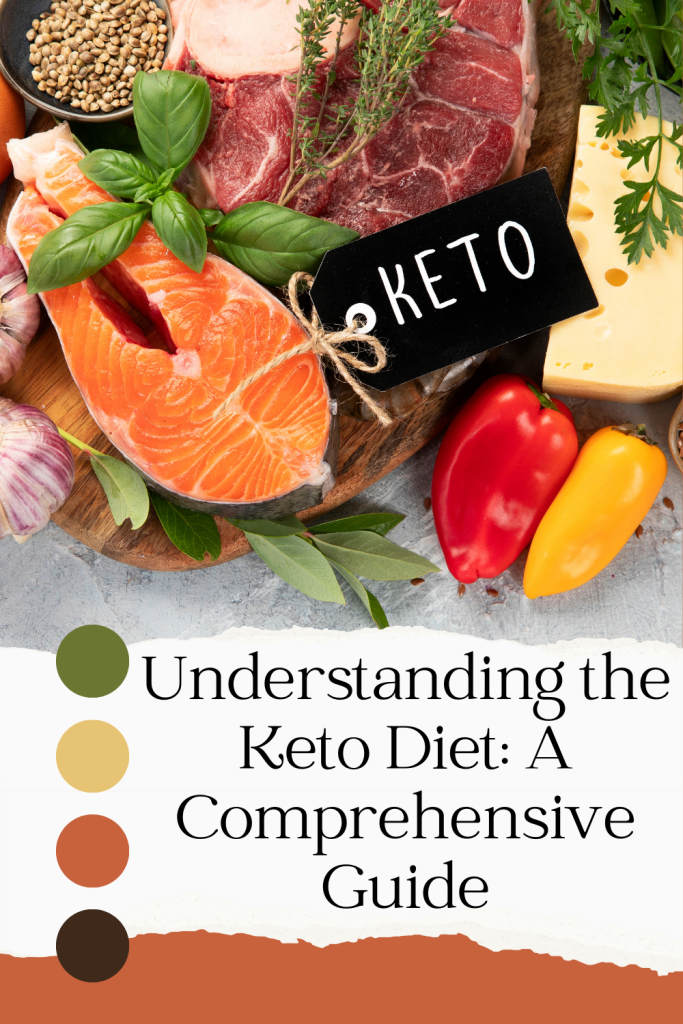
Foods to Eat:
- Meat (preferably grass-fed)
- Fatty fish (salmon, mackerel)
- Eggs
- Cheese
- Butter and cream
- Avocados
- Nuts and seeds
- Healthy oils (olive oil, coconut oil)
Foods to Avoid:
- Grains (wheat, rice, oats)
- Sugar (sweets, soda, fruit juices)
- Fruit (except small portions of berries)
- Legumes (beans, lentils)
- Starchy vegetables (potatoes, corn)
- Processed foods (chips, crackers)
Considerations Before Starting the Keto Diet
While the keto diet can be highly effective for weight loss and improving certain health markers, it’s not suitable for everyone. Consider the following:
- Health Conditions: If you have certain health conditions like pancreatitis, gallbladder disease, or kidney disease, a high-fat diet may not be recommended without medical supervision.
- Nutrient Balance: Maintaining a nutrient-dense diet is crucial. Seek guidance from a healthcare professional or registered dietitian to ensure you’re getting enough vitamins, minerals, and fiber.
- Long-Term Sustainability: Some find the keto diet challenging to maintain long-term due to its restrictive nature. It’s important to have a plan for transitioning off the diet or modifying it to suit your lifestyle.

Is the Keto Diet Right for You?
Ultimately, the decision to try the keto diet should be based on your individual health goals, preferences, and medical advice. While it can offer significant benefits for weight loss and metabolic health, it requires commitment and careful planning to ensure nutritional adequacy.
If you decide to embark on the keto journey, consider consulting with a healthcare provider or dietitian to create a personalized plan that meets your needs and supports your overall health and well-being.

In conclusion, the keto diet represents a powerful tool for transforming your metabolism and achieving weight loss goals through a shift in dietary habits. Educate yourself, seek professional guidance, and make an informed decision to determine if the keto diet is the right choice for you.
Join ME on Social Media:
What are your thoughts about the Understanding the Keto Diet: A Comprehensive Guide Remember, sharing is caring! Let’s encourage each other every step of the way. Together, we can achieve amazing things. 🌟
Until next time, shine amongst the stars!
‘This post may contain affiliate links
If you haven’t made enough money blogging, look into taking the
Complete Guide to Make Money Blogging for only
($10… WOW 95% Off for a limited time).


Disclaimer: This post is for informational purposes only and is not a substitute for professional medical advice. Always consult with a healthcare provider or registered dietitian for personalized dietary recommendations and health concerns.
Reference:
- Volek, J. S., & Phinney, S. D. (2011). The Art and Science of Low Carbohydrate Living. Beyond Obesity LLC.
- Paoli, A. (2014). Ketogenic diet for obesity: friend or foe? International Journal of Environmental Research and Public Health, 11(2), 2092-2107.
- Westman, E. C., Feinman, R. D., Mavropoulos, J. C., Vernon, M. C., Volek, J. S., Wortman, J. A., … & Phinney, S. D. (2007). Low-carbohydrate nutrition and metabolism. The American Journal of Clinical Nutrition, 86(2), 276-284.
- Hussain, T. A., Mathew, T. C., Dashti, A. A., Asfar, S., Al-Zaid, N., & Dashti, H. M. (2012). Effect of low-calorie versus low-carbohydrate ketogenic diet in type 2 diabetes. Nutrition, 28(10), 1016-1021.
- Bueno, N. B., de Melo, I. S. V., de Oliveira, S. L., & da Rocha Ataide, T. (2013). Very-low-carbohydrate ketogenic diet v. low-fat diet for long-term weight loss: a meta-analysis of randomised controlled trials. British Journal of Nutrition, 110(7), 1178-1187.
- Feinman, R. D., Pogozelski, W. K., Astrup, A., Bernstein, R. K., Fine, E. J., Westman, E. C., … & Volek, J. S. (2015). Dietary carbohydrate restriction as the first approach in diabetes management: Critical review and evidence base. Nutrition, 31(1), 1-13.

Thanks for sharing this!
Yes, you are right. Keto diet is THE thing these days. Though we haven’t tried it but looks there’s no harm in trying it since it serves the basic needs of the body.
Thanks for sharing.
This is great for anyone wondering about keto! So much goes into it but it’s great!