

Remote work has reshaped the workplace landscape over the past few years, offering flexibility, convenience, and new opportunities. As we move into 2025, several key trends are emerging that will continue to define how remote work evolves. Whether you’re an employer or employee, staying ahead of these trends will ensure you’re well-prepared for the future of work.
1. Hybrid Work Models
One of the most prominent trends in 2025 is the shift toward hybrid work models. Rather than choosing between remote or in-office work, companies are finding ways to balance both.
- Why it matters: Hybrid models allow businesses to offer flexibility while maintaining team cohesion and collaboration. Employees can enjoy the benefits of remote work, like reduced commuting time, while still maintaining regular in-person interactions.
- Pro tip: Employers should establish clear guidelines for hybrid work to ensure fairness and productivity across both remote and in-office teams.
2. Advanced Collaboration Tools
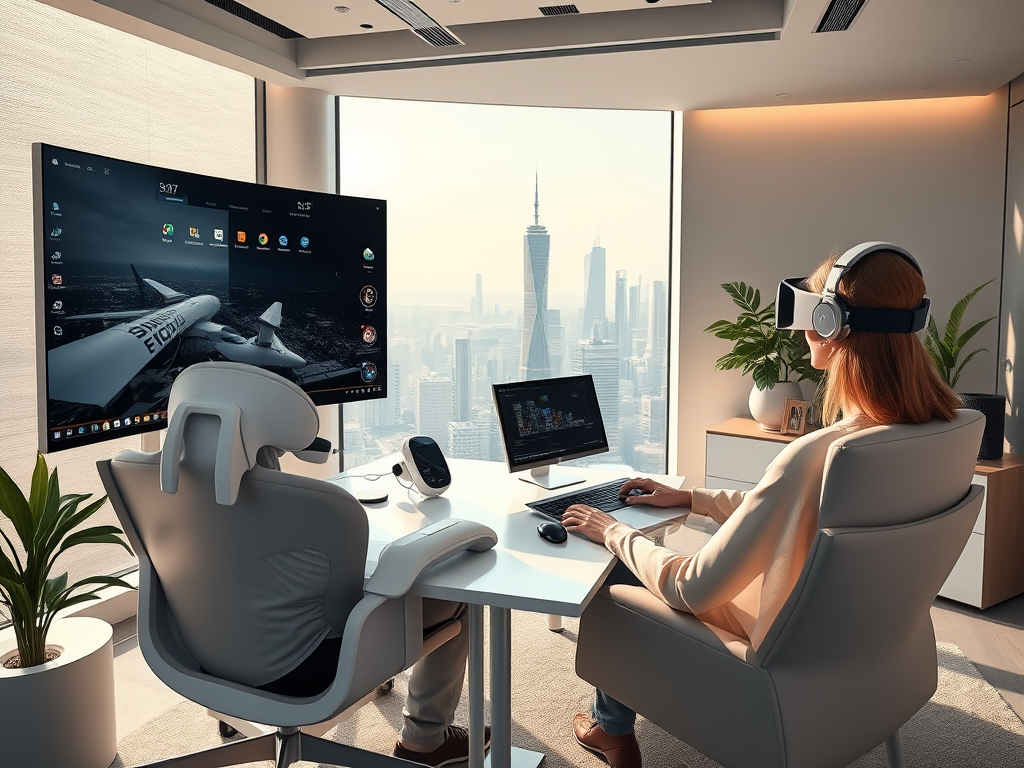
In 2025, AI and virtual reality (VR) are set to redefine how remote teams collaborate. Tools like AI-driven project management platforms and immersive VR meetings are becoming more accessible, enhancing remote work experiences.
- AI: Smart tools like AI assistants and analytics tools will help teams streamline workflows, automate routine tasks, and provide deeper insights into project progress.
- VR: Virtual reality will offer immersive meeting experiences, making remote interactions feel more lifelike and interactive.
- Why it works: These innovations foster a greater sense of presence and collaboration, which are often missing in traditional remote work settings.
3. Focus on Employee Well-Being
As remote work becomes the norm, organizations are increasingly focusing on employee well-being. Remote work can lead to feelings of isolation and burnout, so businesses are investing in mental health resources to support their teams.
- What’s changing: Companies are offering virtual wellness programs, access to therapy sessions, and creating a supportive remote work culture.
- Why it matters: Fostering a healthy work-life balance and prioritizing mental health can improve employee satisfaction, reduce turnover, and boost productivity.
- Pro tip: Implement regular check-ins, offer flexible schedules, and encourage employees to take time off to recharge.
4. Expansion of Global Talent Pools
Remote work has broken down geographical barriers, and in 2025, the expansion of global talent pools will continue. Companies now have access to top talent from around the world, creating more diverse teams and opportunities.
- Why it matters: With remote work, companies are no longer limited to hiring locally, allowing them to tap into diverse skill sets and perspectives.
- Pro tip: Embrace cultural diversity in your teams, but also be mindful of time zone differences and communication challenges. Offering flexible working hours can help accommodate global teams.
5. Enhanced Cybersecurity
With the rise of remote work, cybersecurity has become a top priority for businesses. Protecting sensitive company data and ensuring safe digital communication channels are more crucial than ever.
- What’s changing: Businesses are adopting advanced security protocols, such as multi-factor authentication (MFA), end-to-end encryption, and virtual private networks (VPNs), to safeguard remote work environments.
- Why it matters: As remote work increases, the attack surface for cybercriminals expands, making robust cybersecurity measures essential for protecting company assets and information.
- Pro tip: Regularly train employees on security best practices, and invest in updated security technologies to stay ahead of emerging threats.
Conclusion
Remote work is here to stay, and its future is evolving rapidly. The key trends for 2025—hybrid work models, advanced collaboration tools, enhanced employee well-being, a global talent pool, and heightened cybersecurity—will shape how businesses operate and employees work. By staying informed about these trends, organizations and individuals can thrive in this ever-changing landscape.

What are your thoughts about the The Future of Remote Work: Trends to Watch in 2025. Please share in the comments below. I really would love to know.
Until next time, shine amongst the stars!
‘This post may contain affiliate links

If you haven’t made enough money blogging, look into taking the
Complete Guide to Make Money Blogging for only
($10… WOW 95% Off for a limited time).


The future of remote work is bright! 🌟 In 2024, hybrid models, AI collaboration tools, and a focus on employee well-being are changing the way we work. Stay ahead of the curve with these top trends. 💼🚀 #RemoteWork #BusinessTrends

As a dad trying to balance work and family, the insights on hybrid models and employee well-being hit home. I appreciate the focus on mental health—it’s great to see companies recognizing its importance.