

Kitchen renovation is one of the most exciting home improvements you can make. It’s the place where style meets utility, and everyday life is refreshed. However, with so many options available, especially when choosing benchtops, the decision-making process can easily become overwhelming.
Whether it’s smooth marble benchtops, long-lasting granite benchtops, or sleek porcelain, your benchtops play a crucial role in the design, performance, and maintenance of your kitchen. Throw in plumbing requirements and spatial adjustments, and you might make mistakes that impact your long-term comfort. Let us guide you in picking the perfect benchtop without second-guessing.

Understanding Your Lifestyle and Kitchen Use
Before choosing your kitchen benchtop, consider how you use your kitchen daily. Families with young children often prefer durable, scratch-resistant, and easy-to-clean surfaces that are stress-free to maintain in busy households.
Energetic home cooks may prefer heat resistance, extensive prep space, and surfaces that stand up to wear and tear without showing damage.
If you love to host parties, aesthetics could take centre stage—your benchtop might become a focal point and a conversation starter. Focus on function, form, or a combination of both; understanding your lifestyle will help refine your selection and ensure your benchtop fits seamlessly into your kitchen routine. Select a material that can accommodate your needs while enhancing the overall look of your home.

Marble Benchtops: The Luxury Choice
When quality and elegance are top priorities in your kitchen renovation, marble benchtops could be the perfect addition. The surfaces exude sophistication with their unique veining and timeless design.
Advantages of Marble Benchtops
- Timeless Aesthetic:
Immediately, marble elevates any room with its sophisticated, old-world charm. Each slab is naturally veined, ensuring no two are the same, making your kitchen truly unique. - Brings Luxury and Value:
Marble benchtops are a symbol of exclusivity and luxury. Not only will installing marble make your kitchen experience more enjoyable, but it will also increase your home’s market value, offering a strong return on investment. - Cooking Cooling:
Marble is loved by home bakers and entertainers for its naturally cool surface, perfect for rolling dough or serving drinks and appetisers when guests arrive.
Disadvantages of Marble Benchtops
- Requires Sealing:
Marble is porous and can absorb liquids, so regular sealing is essential to prevent stains, especially from acidic foods like lemon juice or wine. - Prone to Etching and Scratches:
Marble is softer than granite benchtops and more susceptible to scratches and etching. Handle with care to keep it looking pristine.

Granite Benchtops: Durability Meets Natural Beauty
Granite benchtops strike the perfect balance between durability and design, making them ideal for busy homes. The stone is ruggedly functional yet highly beautiful, featuring unique textures and colours that fit both modern and traditional kitchens.
Granite Benchtops Pros
- Scratch and Heat Resistance:
Granite is incredibly durable and resistant to hot pans, sharp knives, and everyday food preparation. It’s ideal for families and home cooks who need a surface that can withstand heavy use. - Unique Mineral Patterns:
Each granite slab has its distinctive patterns, offering a one-of-a-kind, earthy look that’s difficult to achieve with synthetic materials. - Increases Property Value:
Installing granite benchtops is a well-regarded home improvement. Its durability and upscale appearance can increase your home’s appeal and attract more buyers if you decide to sell.
Disadvantages of Granite Benchtops
- Requires Occasional Sealing:
While granite is less porous than marble, it still requires periodic sealing to maintain its stain resistance and shine. A well-maintained granite benchtop is low-maintenance and long-lasting.

Porcelain Benchtops: The Modern, Low-Maintenance Solution
Porcelain benchtops are a great choice if you want a modern kitchen design that requires minimal maintenance. Sleek and durable, porcelain provides an elegant look combined with high performance, making it an ideal choice for busy, design-conscious homes.
Advantages of Porcelain Benchtops
- Stain-Resistant and Non-Porous:
Unlike natural stone, porcelain benchtops do not absorb liquids, making them highly resistant to stains from coffee, wine, oils, and spills. They don’t require sealing and can be easily cleaned with water and soap. - UV-Resistant for Outdoor Kitchens:
Porcelain doesn’t fade under sunlight, making it ideal for use in outdoor kitchens or entertaining areas, including BBQs and alfresco kitchens. - Slim Profiles for Modern Architecture:
Porcelain slabs come in thin profiles, enabling minimalist edge detailing and a flush, clean look with modern cabinetry.
Disadvantages of Porcelain Benchtops
- Corners May Chip:
Although porcelain is hard, sharp force on the edges, like heavy pots, can cause chips. To reduce this risk, professional installation and careful use are recommended.

Plumbing Considerations: Plan Before You Install
Before installing your new benchtop, it’s important to consider plumbing needs, as they affect both functionality and the success of your installation.
Sink and Tap Reconfiguration
When purchasing new benchtops, layout adjustments may be necessary. You may need to move your sink or replace tapware, so everything must be aligned with available water lines and waste outlets. Poor alignment can cause drainage issues or stagnant water.
Liaise with Your Installer
Be sure to consult a plumber when discussing plumbing requirements with your benchtop installer. Before fabrication, ensure the measurements for sink cut-outs, tap holes, and appliance fittings are accurate to avoid delays or extra costs.
Avoid Functional Problems
Poor plumbing planning can lead to leaks under the sink, unreliable water pressure, or even damage to your new benchtop due to improper sealing or fitting. Taking the time to get it right from the start will save you from unnecessary repairs.

Other Factors to Consider When Choosing a Benchtop
Material, durability, and style are important considerations, but there are a few factors that can affect your benchtop’s functionality and satisfaction with the finished product.
Light and Surface Reflection
Lighting plays a significant role in how your benchtop looks. Glossy surfaces like polished marble benchtops or porcelain reflect more light, which can make smaller kitchens seem larger. Matte or textured finishes absorb light, giving the space a soft, earthy feel. Consider the material’s effect on your kitchen’s lighting when making your choice.
Syncing with Your Colour Palette
Your benchtop should complement the rest of your kitchen. Consider how it contrasts with your cabinetry, flooring, and splashback. A bold benchtop can become a focal point, while a neutral one can balance a busy kitchen. View samples of materials in your own space before committing.
Installation and Sealing Costs
In addition to material costs, professional installation fees should be considered, especially for heavier or fragile surfaces like granite benchtops or marble benchtops. These materials also require periodic sealing to maintain durability and appearance. Be sure to factor in these ongoing maintenance costs.
Maintenance Expectations
Different materials require varying levels of care. Porcelain benchtops or granite benchtops are low-maintenance once sealed, while marble benchtops require more upkeep to maintain their luxurious look. Choose a material that suits your desired maintenance level.

Looking Ahead
Selecting the right benchtop is not just about following trends; it’s about creating a functional space that lasts a lifetime. Whether it’s the sophistication of marble benchtops, the durability of granite benchtops, or the easy-care nature of porcelain, each material offers its unique benefits.
Proper installation and plumbing are essential to getting the most out of your new benchtop. Working with professionals ensures everything fits seamlessly and functions properly.

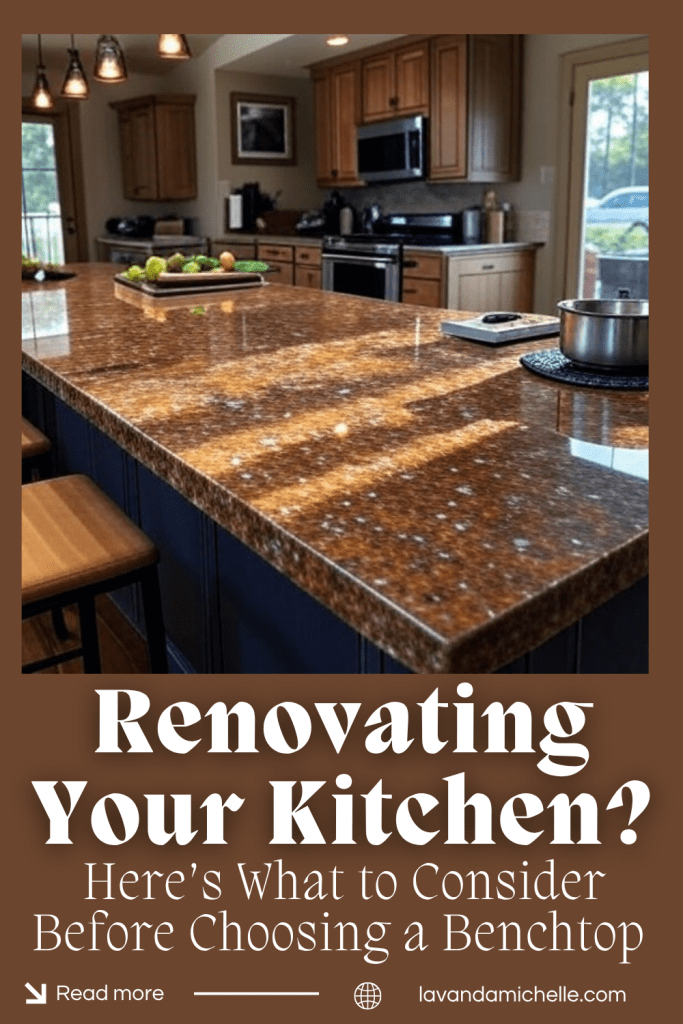
Renovating Your Kitchen? Here’s What to Consider Before Choosing a Benchtop
Until next time, shine amongst the stars!
‘This post may contain affiliate links

If you haven’t made enough money blogging, look into taking the
Complete Guide to Make Money Blogging for only
($10… WOW 95% Off for a limited time).



Renovating your kitchen? 🛠️ Don’t pick a benchtop before reading this! Marble, granite, porcelain—what’s best for your space? Here’s what to know before you install. ⬇️👉 #KitchenDesign

My husband and I just bought our first house and this post came at the perfect time! We were completely clueless about benchtop options but your breakdown made things so much clearer. Thank you for explaining it in a way that wasn’t overwhelming. This will definitely help us make a smarter choice!
Efficiency and functionality are big for me, so your no-nonsense advice was perfect. I especially appreciated the heads-up on plumbing adjustments. Appreciate your time writing this out!
Thanks for this clear breakdown! As a stay-at-home mom, I need surfaces that can survive my kids and my cooking experiments. Your practical advice on durability and maintenance really helped. Feeling much more prepared for our kitchen update now!
This post was fantastic! I spend hours in the kitchen, so hearing about marble’s cooling benefits made me so excited. Now I know what to ask about when I talk to my contractor. Thanks for giving foodies like me some direction!
Thank you for making this topic easy to understand! As someone juggling work and home life, quick, helpful insights like this save me so much research time. I’ll definitely consider porcelain to keep things simple. Much appreciated!