

Raising a well-behaved dog does not happen overnight — it is a journey that starts the day your puppy comes home and continues into their adult years. Just like raising a child, dogs thrive on structure, communication, patience, and consistency. Whether you’re teaching basic manners or helping your dog grow into a calm and confident adult, the habits you build at home make all the difference.
And here’s the good news: you do not need to be a professional trainer to raise a well-mannered dog. Families who create simple routines, offer the right guidance, and understand canine needs often see better behavior, fewer challenges, and a stronger bond overall.
If you’re ready to help your dog become their best self, here are family-friendly tips that work from puppyhood all the way into adulthood. So, to know, dive into the article!
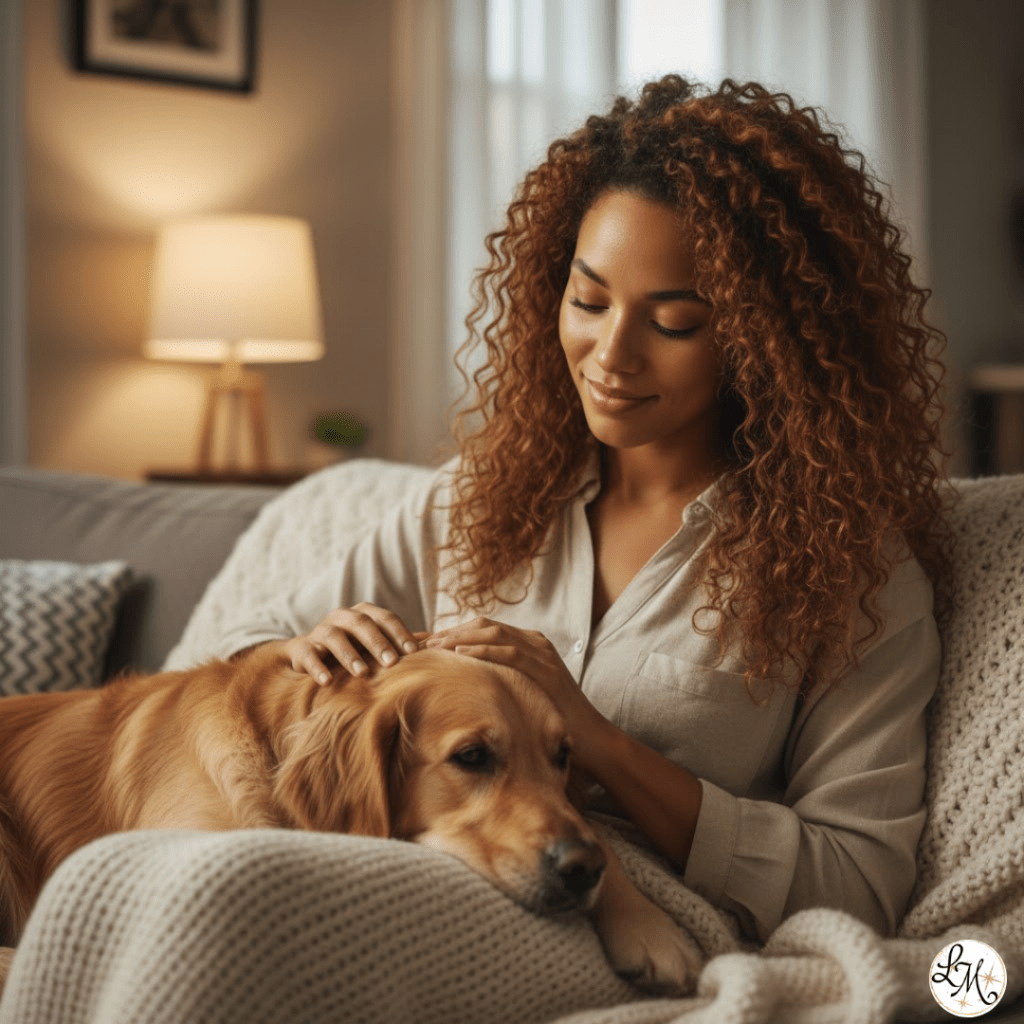
1. Build a Routine Early
Dogs are happiest when they understand what’s expected of them. A strong routine gives your dog consistency and helps reduce behaviors like barking, chewing, whining, or anxiety because they know what’s coming next.
A reliable daily structure might include:
- Set feeding times.
- Regular potty breaks (especially crucial for puppies).
- Short training sessions throughout the day.
- Scheduled playtime and exercise.
- Predictable rest periods or crate time.
Puppies especially need repetition. When your family follows the same rules every day — same commands, same boundaries, same schedule — your dog learns faster and responds better.
A good routine also helps adult dogs stay calm and grounded. Even older dogs feel more secure when the household is predictable, signals are consistent, and expectations remain clear.
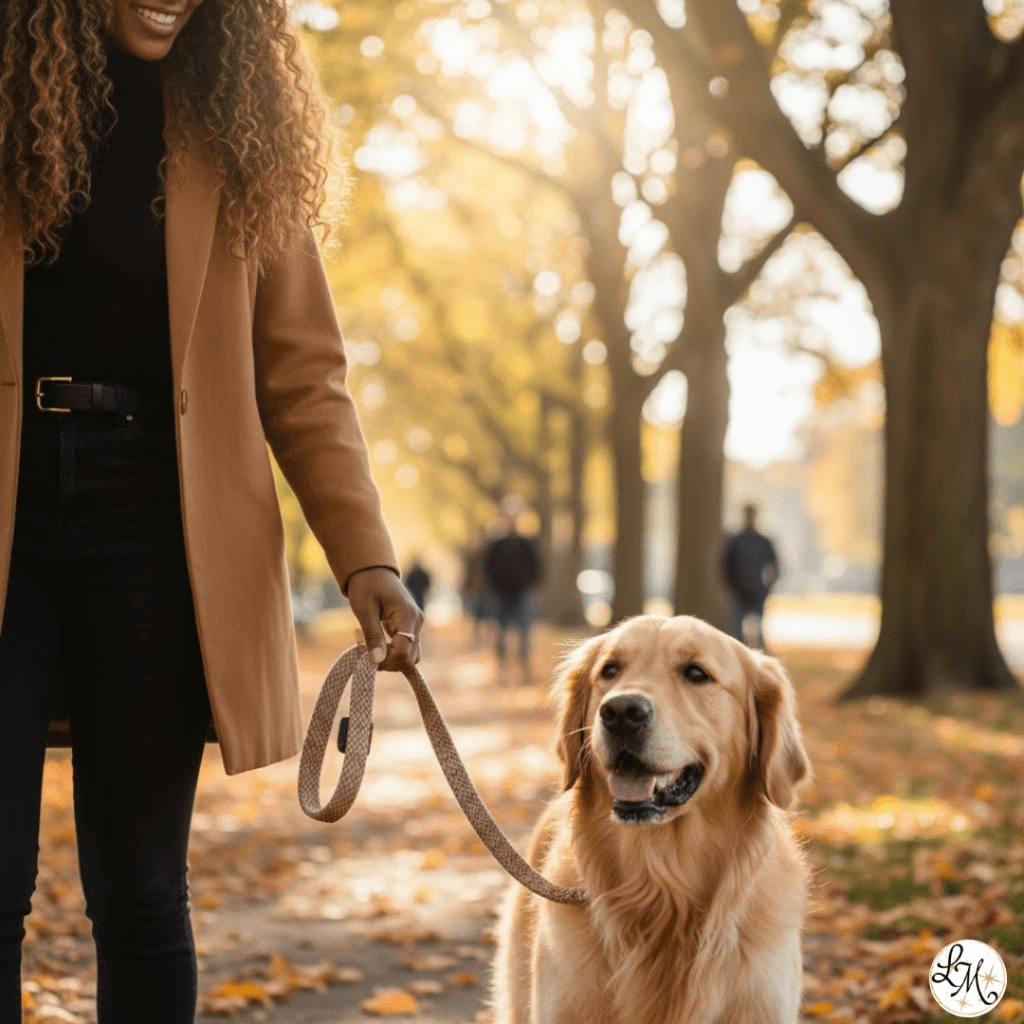
2. Encourage Healthy Chewing and Energy Release
One of the biggest reasons puppies (and even adult dogs) misbehave is simple: they have more energy than they know what to do with. Chewing shoes, stealing socks, pacing around the house, these are often signs your dog needs a healthy outlet.
This is where structured chewing time becomes incredibly helpful. Some products like Monster Bully Sticks from Bully Sticks Direct give dogs a safe, long-lasting chewing activity that naturally calms their mind and body. These extra-thick, odor-free chews are especially great for strong chewers, helping them:
- Release nervous or restless energy.
- Strengthen their jaw safely.
- Focus on one activity instead of mischief.
- Reduce destructive habits.
- Stay mentally stimulated.
Puppies chew to explore the world. Adult dogs chew to self-soothe, relieve stress, and stay busy. Offering durable chews ensures your dog’s instincts are supported — not suppressed — which helps them behave better indoors.
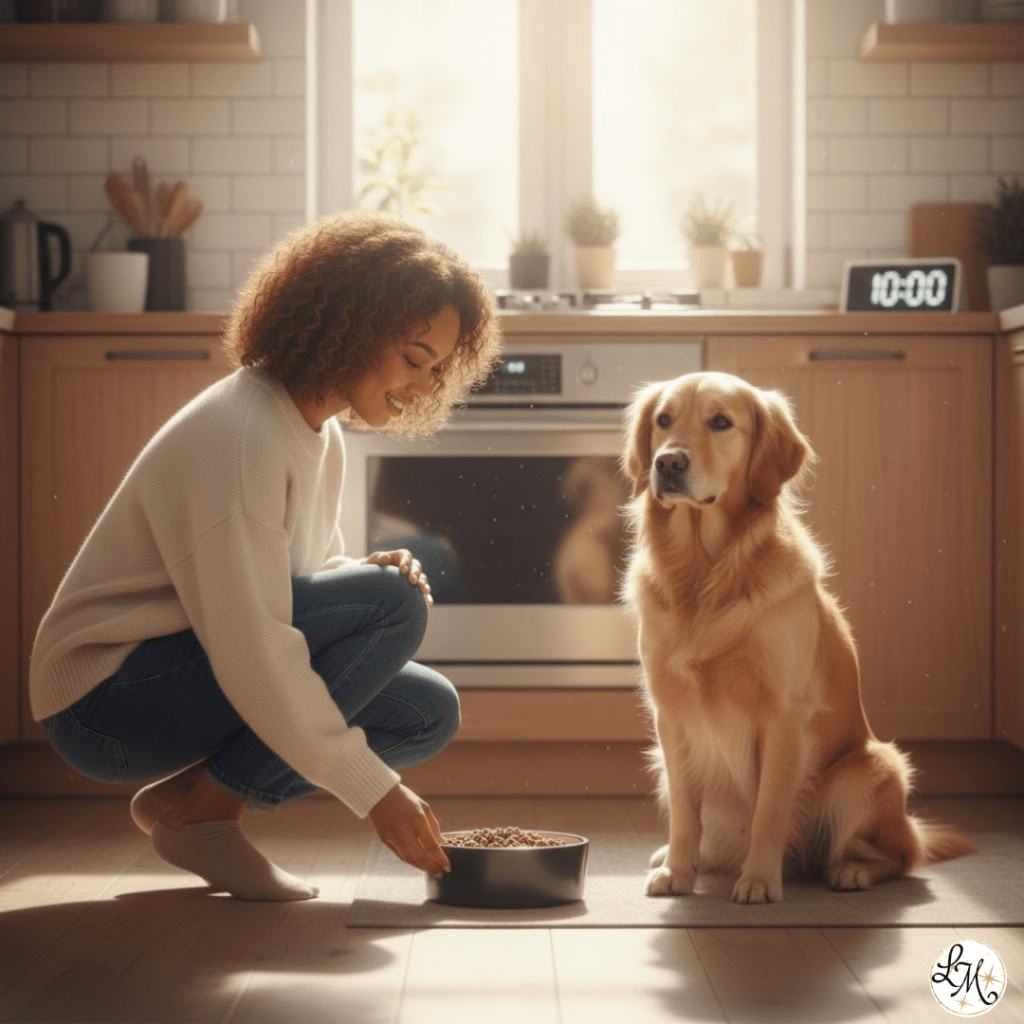
3. Use Positive Reinforcement
The most effective training method is not punishment — it is encouragement. Dogs learn far better when you reward good behavior instead of scolding unwanted behavior. Positive reinforcement builds trust, boosts confidence, and strengthens your bond.
Reward your dog when they:
- Sit calmly instead of jumping.
- Wait patiently before mealtime.
- Walk nicely on a leash.
- Play gently with kids.
- Respond to their name.
- Follow cues like sit, stay, or leave it.
Rewards do not always have to be treats. They can include praise, toys, affection, or playtime. The goal is to help your dog understand:
“Good behavior gets me something I like.”
This approach works for puppies and adult dogs alike. Even older dogs can learn new manners when the environment is supportive and rewarding.
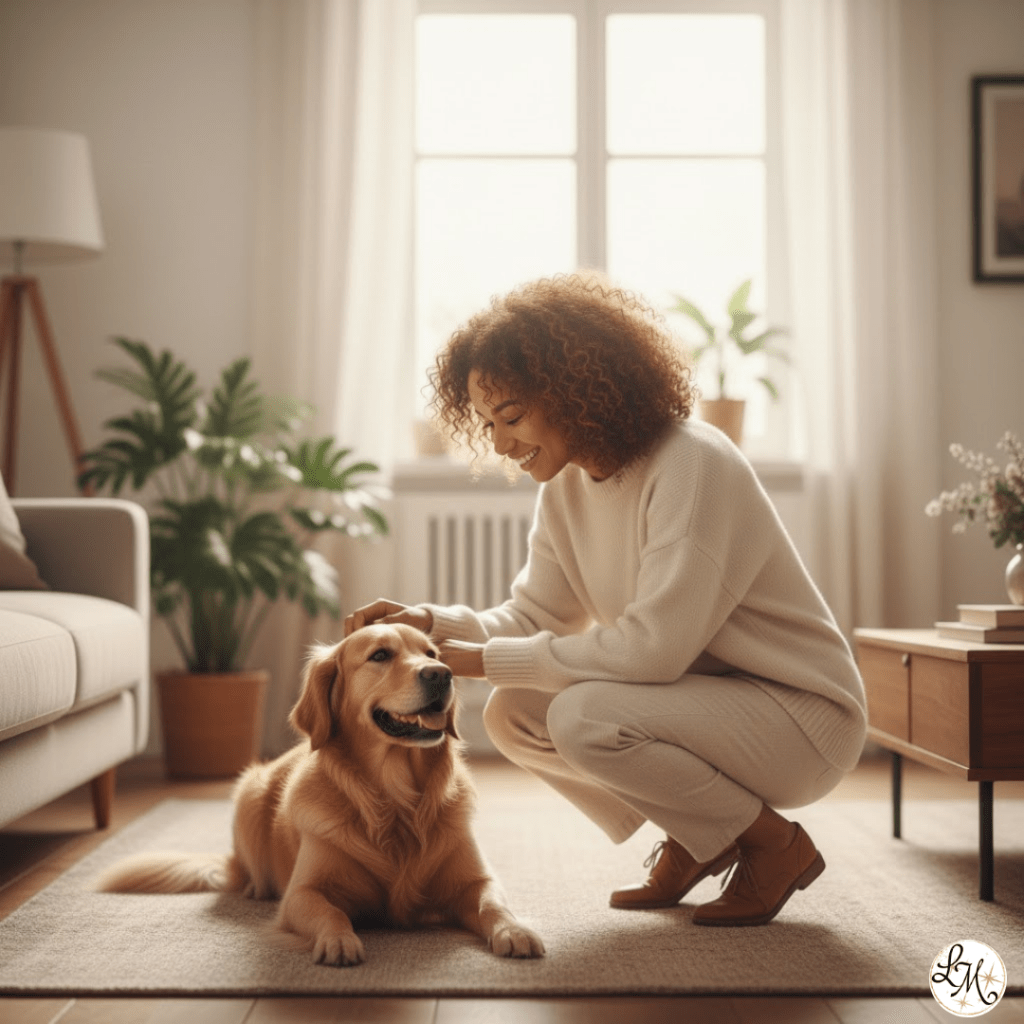
4. Socialize Early and Keep Teaching Throughout Adulthood
A well-behaved dog is not just trained; it is also well-socialized. Socialization helps your dog become comfortable with the world — people, sounds, objects, other animals, unfamiliar environments, and everyday activities.
For puppies, early exposure builds strong emotional foundations. But even adult dogs benefit from continued social experiences.
Healthy socialization includes:
- Meeting friendly dogs under supervision.
- Experiencing different walking environments.
- Visiting parks, pet-friendly stores, or outdoor cafés.
- Being around children, guests, or delivery drivers.
- Hearing loud noises like vacuums or traffic in a controlled way.
A dog who experiences the world calmly learns to behave calmly in it. Socialization reduces fear, barking, reactivity, and anxiety — behavior issues that many families struggle with.

To Sum It All Up!
Raising a well-behaved dog from puppyhood to adulthood is all about consistency, communication, and compassion. When families work together to build routines, encourage healthy chewing, support training, and expose their dog to the world in a positive way, their dog grows into a confident and respectful companion.
With a mix of structure, patience, and the right tools, your dog can thrive at every age. And as they learn, grow, and mature, you’ll enjoy a home that feels calmer, more connected, and full of joyful moments with your four-legged family member.

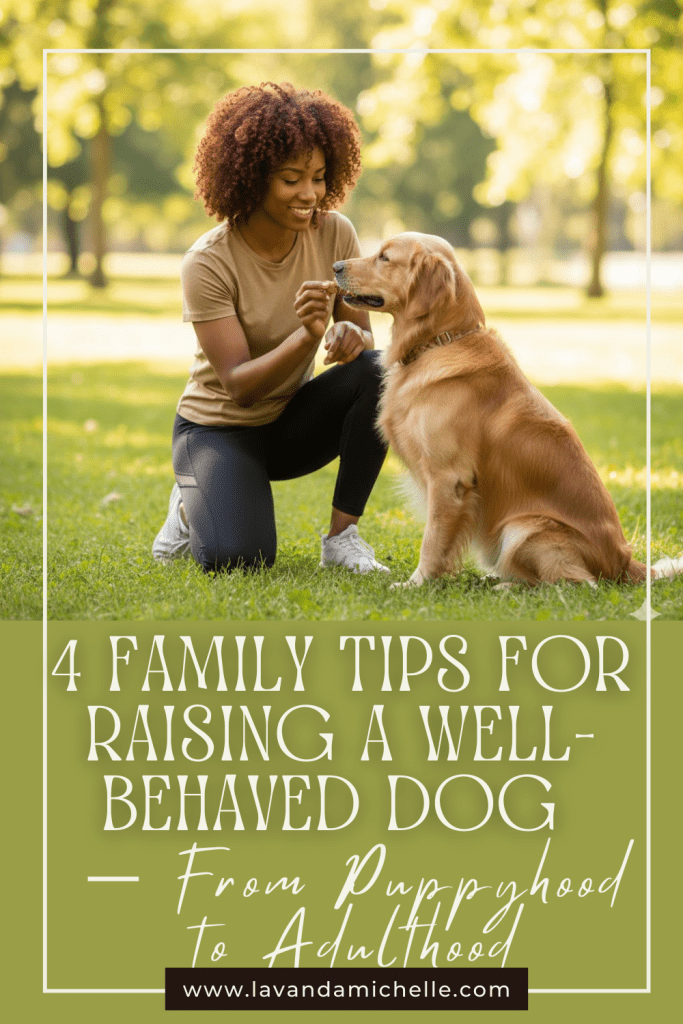
4 Family Tips for Raising a Well-Behaved Dog — From Puppyhood to Adulthood
Until next time, shine amongst the stars!
‘This post may contain affiliate links
If you haven’t made enough money blogging, look into taking the
Complete Guide to Make Money Blogging for only
($10… WOW 95% Off for a limited time).
Ready for a calmer home? 🏡 Raise a confident dog at ANY age! Consistency, positive rewards, & healthy outlets are key. Get 4 simple tips your whole family can use, from puppy to adult. #DogTraining #DogBehavior #PuppyTips

I absolutely love how you break down dog training into clear, family‑friendly tips — it makes raising a well‑behaved pup feel achievable and fun for everyone involved. Thanks for sharing such practical advice that’ll definitely help families build strong bonds with their furry best friends.
I’m so glad this resonated with you! Training can definitely feel overwhelming, but breaking it down into simple steps makes it fun and doable. Wishing you and your pup lots of happy, well-behaved moments together! 💛✨
It’s so important to socialize dogs when they’re puppies. That way, they will get along with adults, children and other dogs.
Absolutely! Early socialization sets the foundation for a well-adjusted dog. It really makes life easier for both the pup and the whole family. So glad you’re thinking about this from the start! 💛✨
I agree that it’s so important to socialize dogs when they’re puppies! That way, they get used to people, children and other dogs!
Yes, exactly! Socialization as a puppy sets the stage for a confident, happy adult dog. It really makes such a difference in how they interact with everyone around them. I’m so glad this tip resonated with you! 💛✨
We only have cats, but a lot of these can apply to them. I always want them to be well behaved. My female kitty is very sassy.
Amber, I love that! So many of these tips really do cross over to cats, especially consistency and patience. And I have to smile at your sassy kitty, sounds like she keeps life interesting! Thanks for sharing, and I hope some of these ideas help with her little antics. 💛✨
It really irritates me that so many dog owners don’t care about their dog’s behavior. I think a lot of them don’t know what they’re getting into with dog ownership and don’t want to spend the time doing the things you’ve outlines in your post. If only more dog owners would follow your advice!
I hear you! It can be frustrating when people don’t put in the time to train and care for their dogs properly. I’m glad this post resonated with you, and hopefully sharing tips like these helps more pups get the guidance they need. Thanks for reading and caring so much about happy, well-behaved dogs! 💛✨