
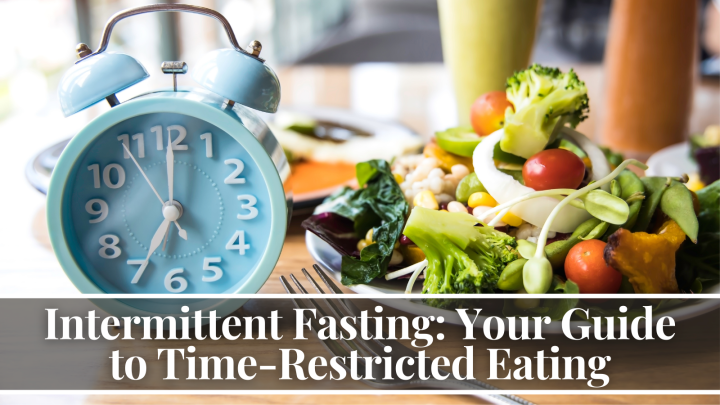
Intermittent fasting (IF) has become a popular buzzword in the health and wellness world, and for good reason. This eating pattern, which focuses on when you eat rather than what you eat, offers a range of potential benefits for both your body and mind.
So, what exactly is intermittent fasting?
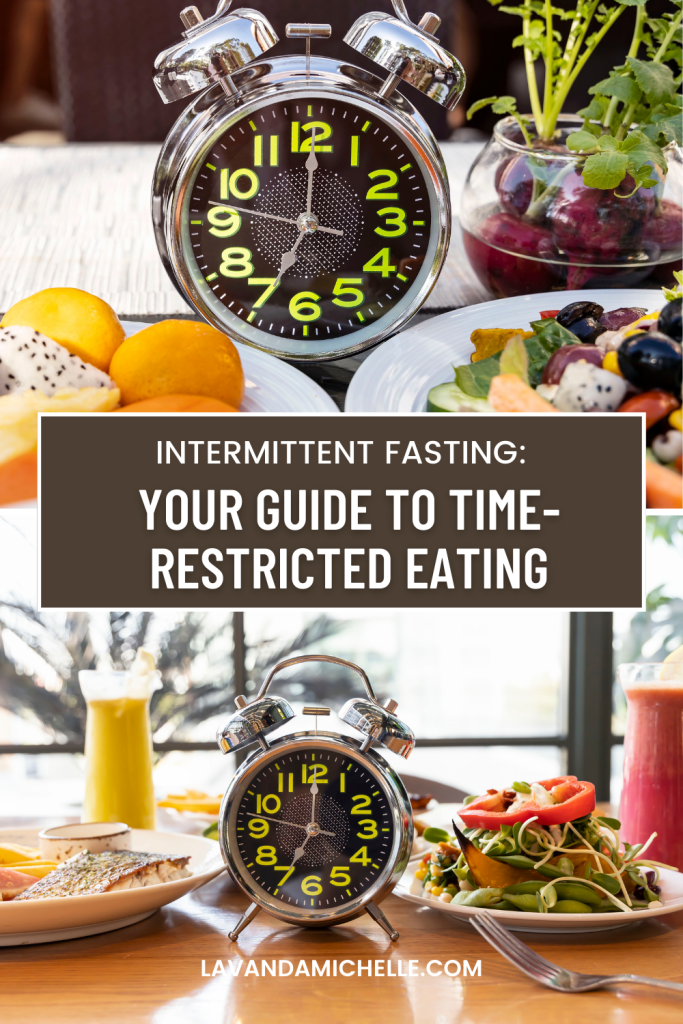
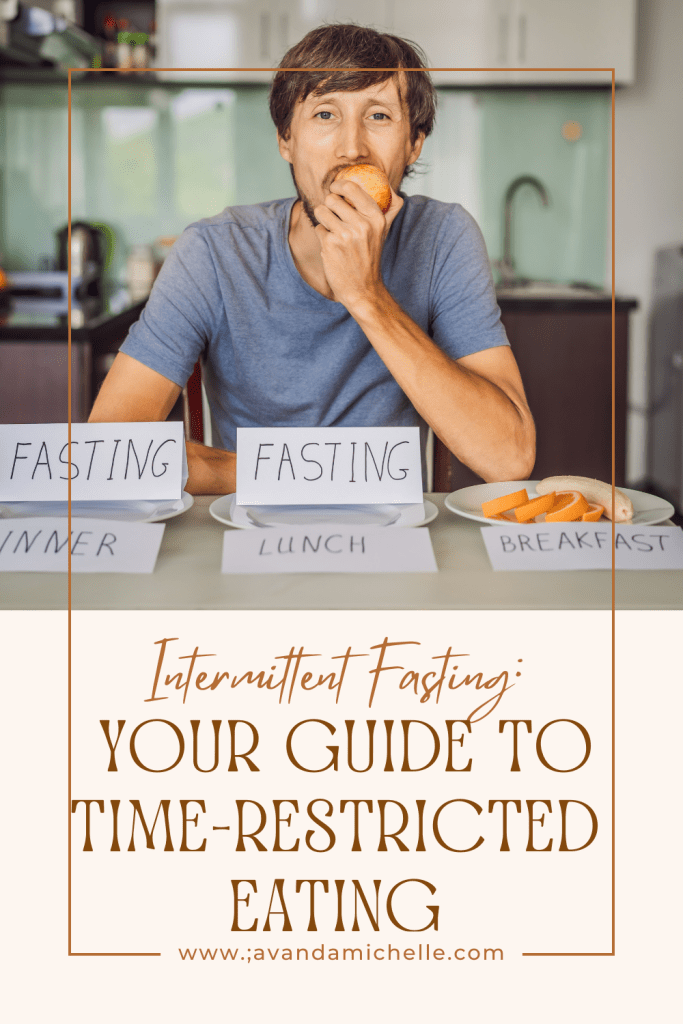
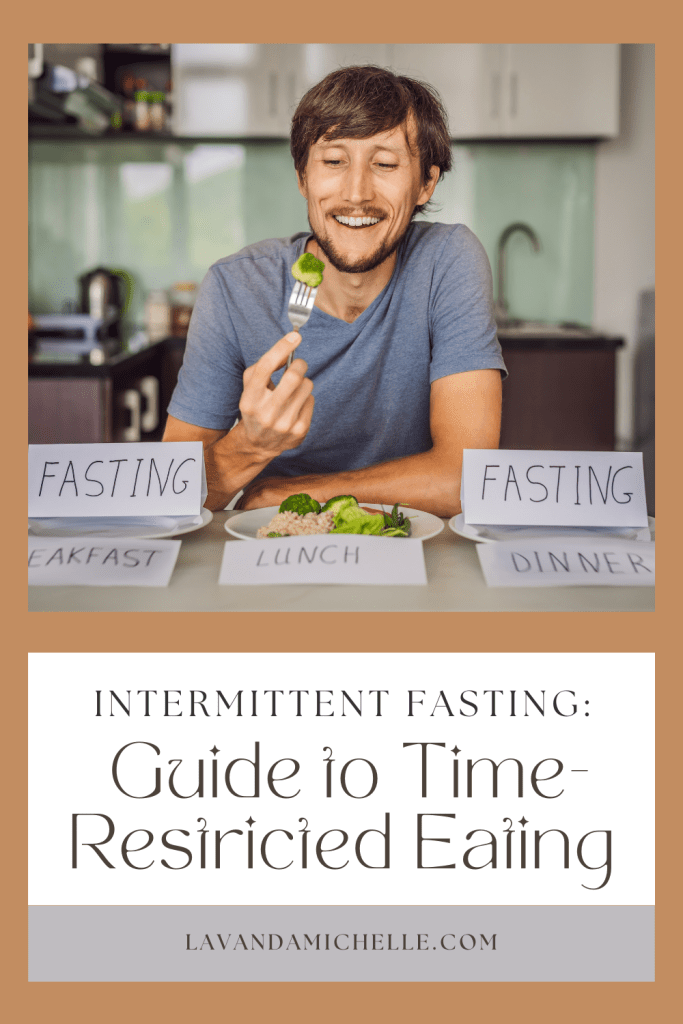
In simple terms, it’s a cyclical eating pattern that involves alternating between periods of eating and fasting. Unlike traditional diets that dictate what you should put on your plate, IF focuses on restricting your eating window within a specific timeframe. This allows your body to enter a fasted state, where it starts burning stored fat for energy instead of relying on readily available glucose.

Different Methods for Different Folks
The beauty of IF lies in its flexibility. There are several methods to choose from, allowing you to find one that fits your lifestyle and preferences. Here are some of the most popular:
- 16/8 Method: This involves fasting for 16 hours each day and limiting your eating to an 8-hour window. For example, you might eat between 12:00 pm and 8:00 pm.
- 5:2 Method: In this method, you eat normally for five days of the week and restrict your calorie intake to around 500-600 calories on the remaining two non-consecutive days.
- Eat-Stop-Eat: This method involves a 24-hour fast once or twice a week. For example, you might eat dinner at 7:00 pm and then not eat again until 7:00 pm the next day.
- Alternate-Day Fasting: This approach involves alternating between days of normal eating and days of either partial or complete fasting.
- Warrior Diet: This method involves eating small amounts of raw fruits and vegetables during the day and having one large meal at night within a 4-hour eating window.
- OMAD (One Meal a Day): As the name suggests, you eat only one large meal per day, typically within a one-hour window.
- Extended Fasting: This involves fasting for longer durations, such as 48 hours, 72 hours, or even more.

Beyond the Scale: A Wealth of Potential Benefits
While weight loss is often a primary motivator for trying IF, the benefits extend far beyond the numbers on the scale. Research suggests that IF can positively impact various aspects of your health and well-being, including:
- Improved blood sugar control: IF can help regulate insulin levels, making it beneficial for managing Type 2 diabetes and prediabetes.
- Reduced risk of heart disease: Studies have shown that IF can lower LDL cholesterol and blood pressure, both of which are risk factors for heart disease.
- Increased brain function: IF may enhance cognitive function and protect against neurodegenerative diseases like Alzheimer’s and Parkinson’s.
- Reduced inflammation: Chronic inflammation is linked to various health problems. IF has been shown to have anti-inflammatory properties.
- Improved cellular repair: During fasting periods, your cells undergo a process called autophagy, where they clean up waste and repair damaged tissues.

Getting Started with Intermittent Fasting
If you’re curious about trying IF, it’s important to approach it with caution and consult your doctor first, especially if you have any underlying health conditions. Once you get the green light, start slow and choose a method that aligns with your lifestyle. Remember, consistency is key!
Here are some additional tips for success:
- Stay hydrated: Drink plenty of water and unsweetened beverages during your fasting periods.
- Break your fast gently: Start with small, nutritious meals when you reintroduce food.
- Listen to your body: Don’t push yourself too hard, and adjust your fasting schedule as needed.
- Find a support system: Share your IF journey with friends or join an online community for encouragement and accountability.

Intermittent fasting is not a one-size-fits-all approach. It’s about finding an eating pattern that works for you and supports your overall health and well-being. So, ditch the restrictive diets and embrace the flexibility and potential benefits of time-restricted eating!
Remember, consistency is key to success. With a little planning and effort, you can reap the rewards of intermittent fasting and experience a healthier, happier you.

Disclaimer: This blog post is for informational purposes only and should not be interpreted as medical advice. Always consult your doctor before making any changes to your diet or exercise routine.
I hope this blog post provides a comprehensive overview of intermittent fasting and inspires you to explore this potentially transformative eating pattern!

What are your thoughts about the Intermittent Fasting: Your Guide to Time-Restricted Eating Please share in the comments below. I really would love to know.
Until next time, shine amongst the stars!
‘This post may contain affiliate links
If you haven’t made enough money blogging, look into taking the
Complete Guide to Make Money Blogging for only
($10… WOW 95% Off for a limited time).

If you haven’t made enough money blogging, look into taking the
Complete Guide to Make Money Blogging for only
($10, … WOW 95% Off for a limited time).

How to Create A Profitable Blogging Business


- How I Actually Hit 15,000 Steps
- Make Your Own Luck: 10 Simple Habits to Script a Winning Life
- March and the Zodiac: Springing into New Beginnings
- My 100-Day Lock-In: Resetting My Health After Six Hospitalizations
- I Disappeared for 7 Years. Here is the Truth.

Me an my sister in law are going 16:8 next month! this helps a lot.
I tried intermittent fasting and didn’t notice a difference. I may try it again, though!
I’ve been hearing a lot about it lately, and your breakdown of how it works and its benefits is incredibly helpful. The idea of focusing on ‘when’ rather than ‘what’ to eat seems like a practical shift in perspective
This is very informative about intermittent fasting because there are a lot of people who misunderstands this.
Thanks for this. While I am not sure I can embrace any kind of fasting, my DH wants to work on controlling his sugar and based on his current diet, I think he is already following the warrior diet