

Kwanzaa is a vibrant, week-long celebration honoring African heritage, community, and culture. Created in 1966 by Dr. Maulana Karenga, this holiday offers an opportunity to connect with meaningful traditions and the seven guiding principles of Nguzo Saba. Whether you’re new to Kwanzaa or looking to deepen your celebration, this guide will help you plan a meaningful and joyful observance.

What Is Kwanzaa?
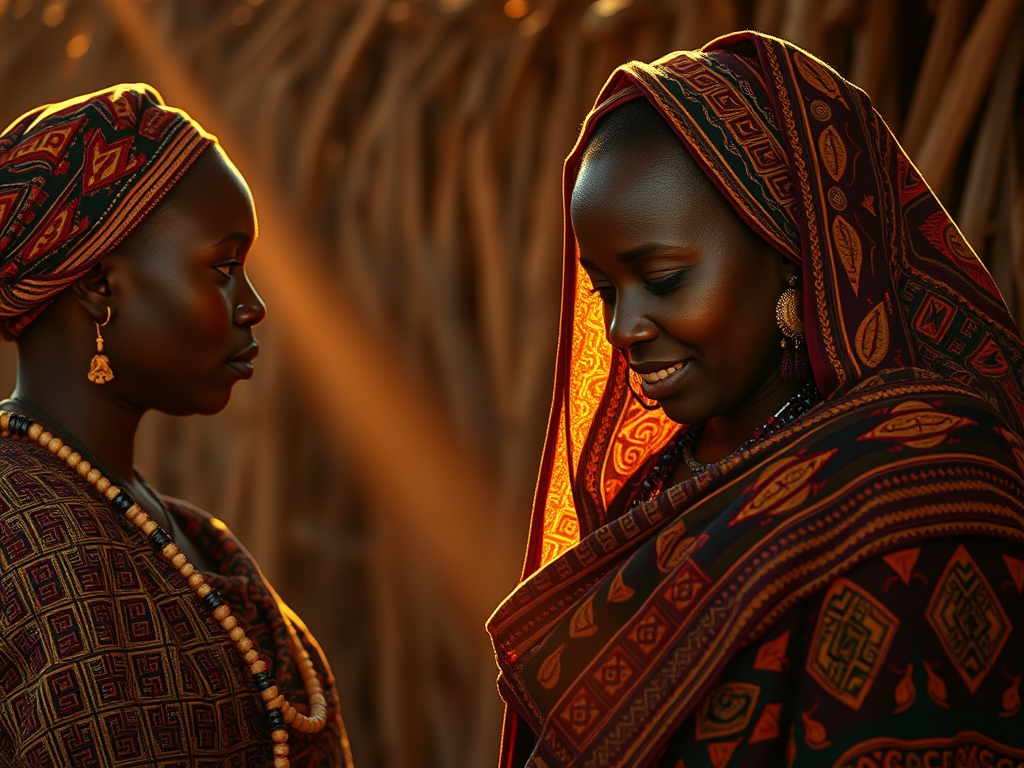
Kwanzaa is celebrated annually from December 26 to January 1. Rooted in African traditions, the holiday emphasizes unity, self-determination, and collective responsibility. Each day focuses on one of the seven principles, providing a framework for reflection and action.

The Seven Principles (Nguzo Saba)
Each principle represents a core value of African culture and community:
- Umoja (Unity): Strive for and maintain unity in the family, community, nation, and race.
- Kujichagulia (Self-Determination): Define yourself, name yourself, and speak for yourself.
- Ujima (Collective Work and Responsibility): Build and maintain your community together.
- Ujamaa (Cooperative Economics): Support and build businesses that benefit the community.
- Nia (Purpose): Commit to collective vocation and the restoration of community.
- Kuumba (Creativity): Use creativity to leave the community more beautiful and beneficial than it was inherited.
- Imani (Faith): Believe in people, traditions, and the righteousness of the struggle.
Step 1: Set Up a Kwanzaa Table
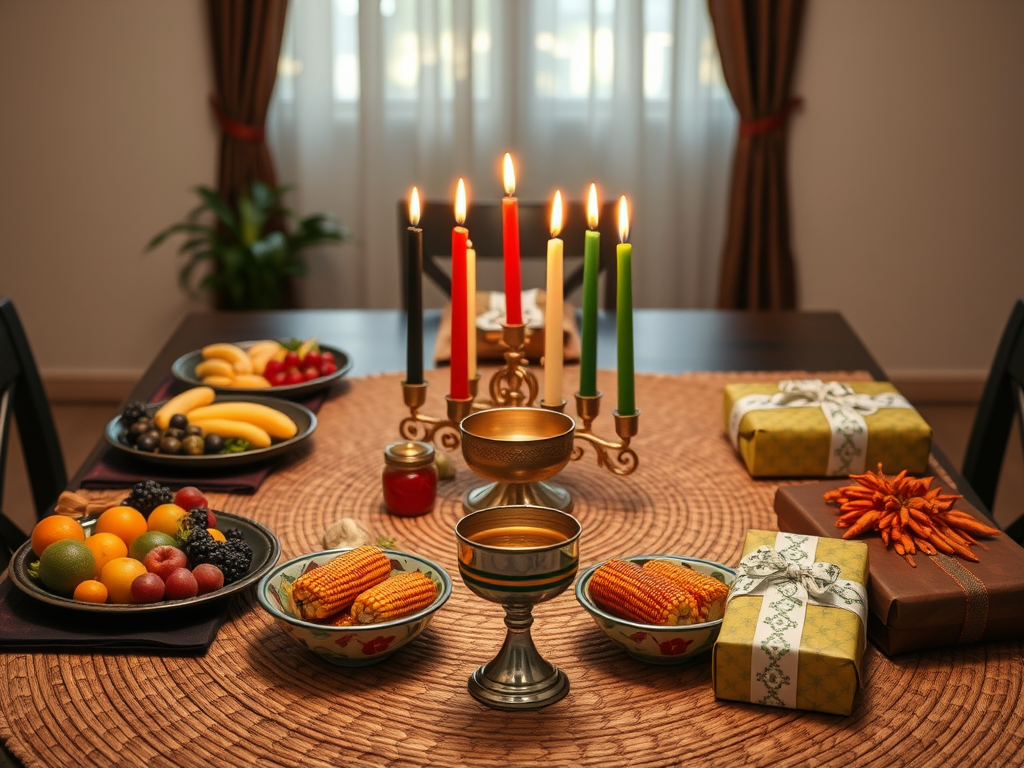
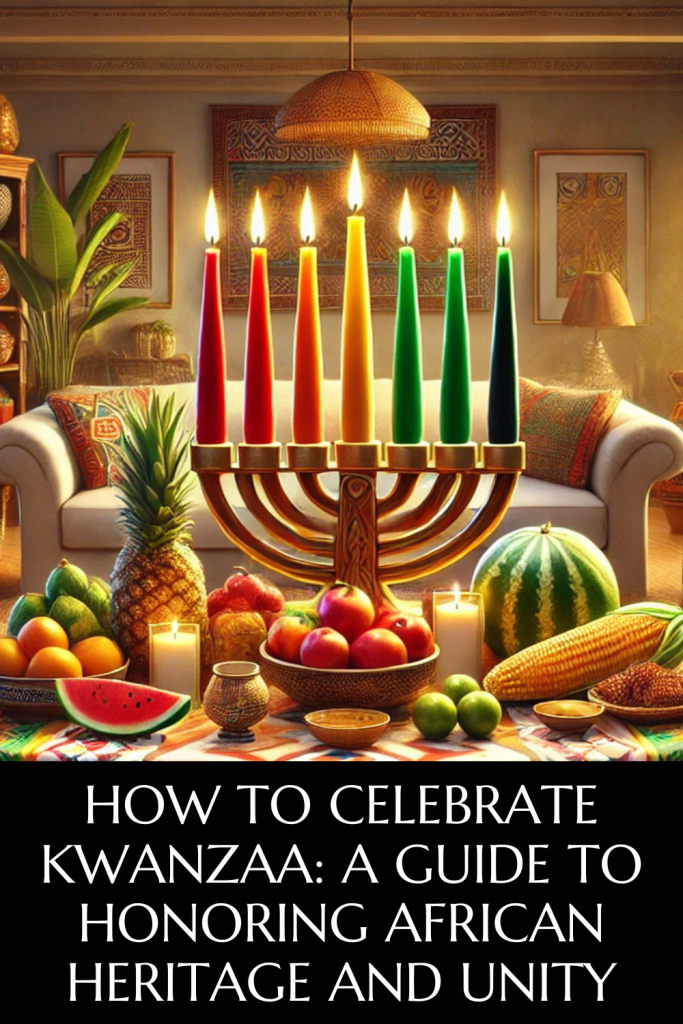
The Kwanzaa table is central to the celebration. Gather the following items:
- Mkeka (Mat): A woven mat symbolizing the foundation of tradition and history.
- Kinara (Candle Holder): Holds seven candles, each representing a principle.
- Mishumaa Saba (Seven Candles): Three red, three green, and one black candle.
- Mazao (Crops): Represent the harvest and the rewards of collective labor.
- Muhindi (Corn): Symbolizes children and the future. Place one ear of corn for each child in the family.
- Kikombe cha Umoja (Unity Cup): Used for libations and celebrating unity.
- Zawadi (Gifts): Handmade or culturally significant gifts exchanged on the last day.
Arrange these items on the table in an aesthetically pleasing way, ensuring each element is visible.
Step 2: Light the Candles
Each evening, light a candle in the Kinara to honor the principle of the day. Start with the black candle in the center (Umoja), then alternate red (left) and green (right) candles throughout the week.
- Share reflections or stories related to the principle.
- Discuss how the principle applies to your life and community.

Step 3: Host a Kwanzaa Feast (Karamu)
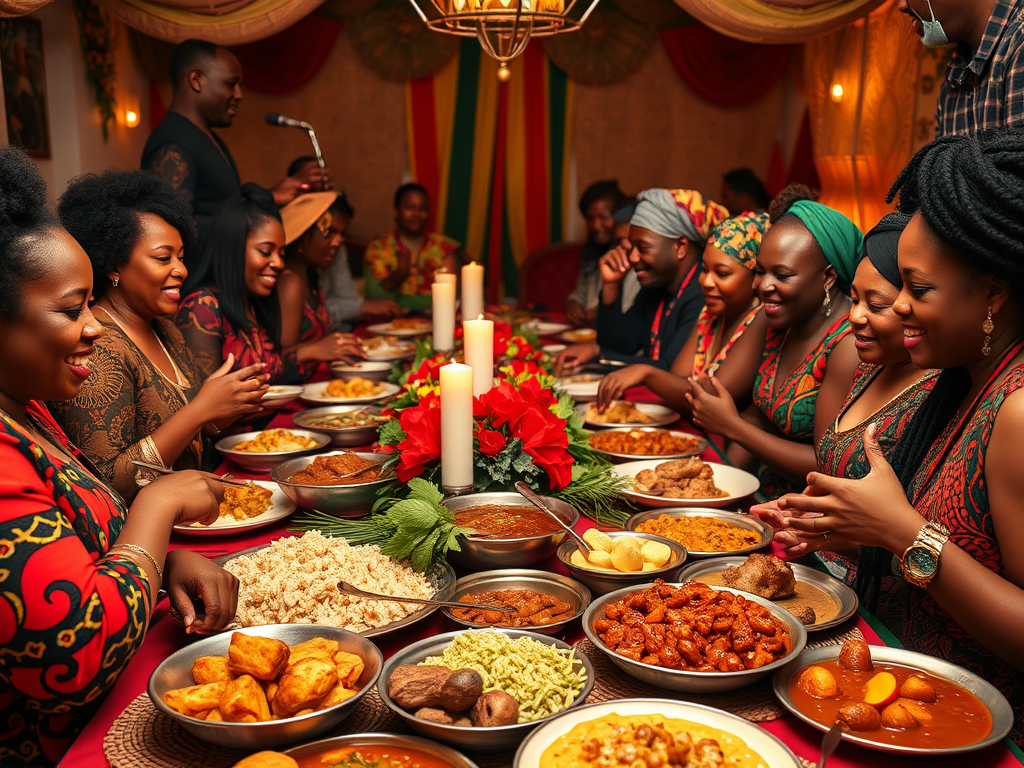
The Karamu feast is held on December 31, bringing family and friends together for a joyous meal. Here’s how to make it special:
Menu Ideas:
- Traditional African Dishes: Jollof rice, fufu, collard greens, or stewed chicken.
- Southern Soul Food: Sweet potatoes, cornbread, black-eyed peas.
- Global Fusion: Incorporate foods from the African diaspora, like Caribbean jerk chicken or Brazilian feijoada.
Decor:
- Use African textiles and patterns for table settings.
- Incorporate red, black, and green accents to honor the Pan-African flag.
Activities:
- Share poems, songs, or performances celebrating African heritage.
- Encourage storytelling, focusing on family history or cultural achievements.
Step 4: Exchange Gifts
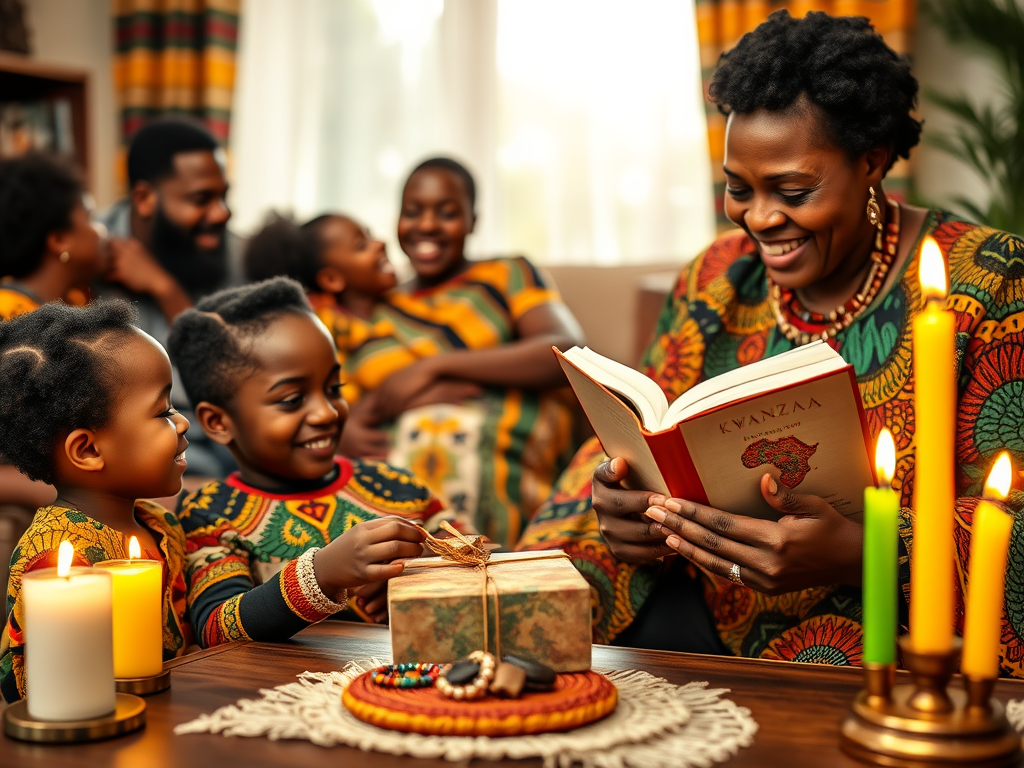
On the last day, give meaningful, handmade, or educational gifts that emphasize the values of Kwanzaa. Ideas include:
- Books on African history or culture.
- Artwork, crafts, or jewelry.
- Journals for self-reflection and goal setting.
- Donations to community organizations in someone’s name.
Step 5: Engage in Community Activities
Kwanzaa isn’t just about personal reflection—it’s also about collective action. Consider:
- Volunteering at local organizations.
- Supporting Black-owned businesses.
- Organizing discussions or workshops on African heritage and empowerment.

Final Thoughts
Kwanzaa is a beautiful celebration of African culture, unity, and resilience. By honoring its principles and traditions, you’re contributing to the preservation and growth of a rich heritage. Whether you’re celebrating for the first time or continuing a long-standing tradition, Kwanzaa offers an opportunity to reflect, connect, and thrive as a community.
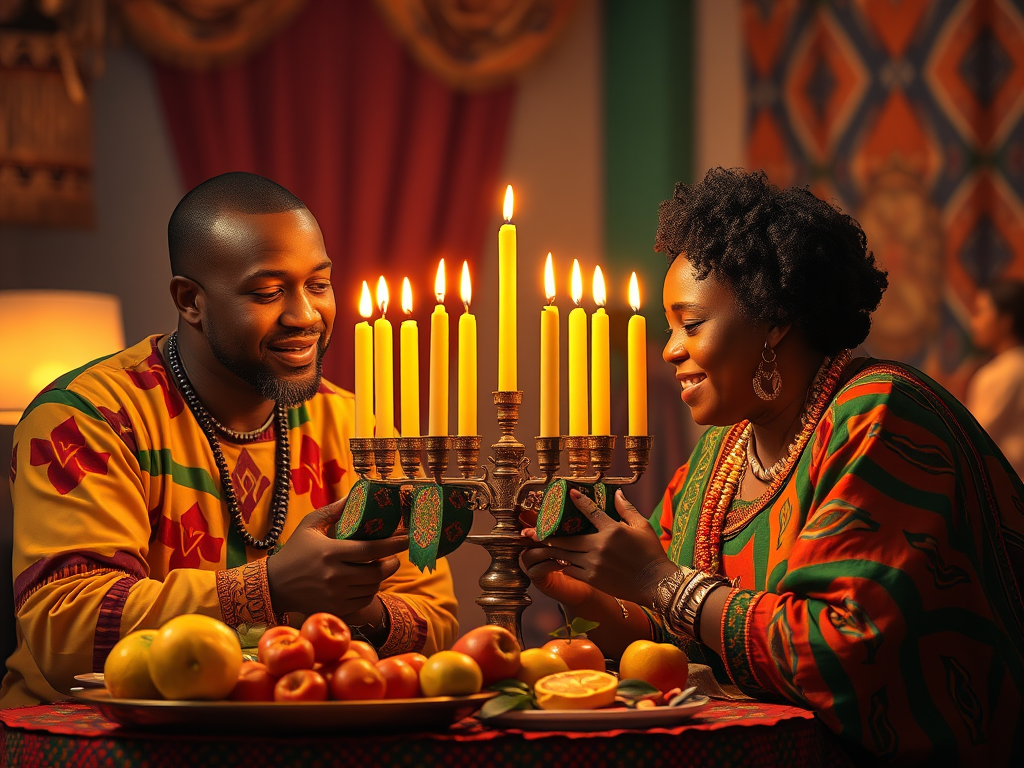
What are your thoughts about the How to Celebrate Kwanzaa: A Guide to Honoring African Heritage and Unity. Please share in the comments below. I really would love to know.
Until next time, shine amongst the stars!
‘This post may contain affiliate links

If you haven’t made enough money blogging, look into taking the
Complete Guide to Make Money Blogging for only
($10… WOW 95% Off for a limited time).

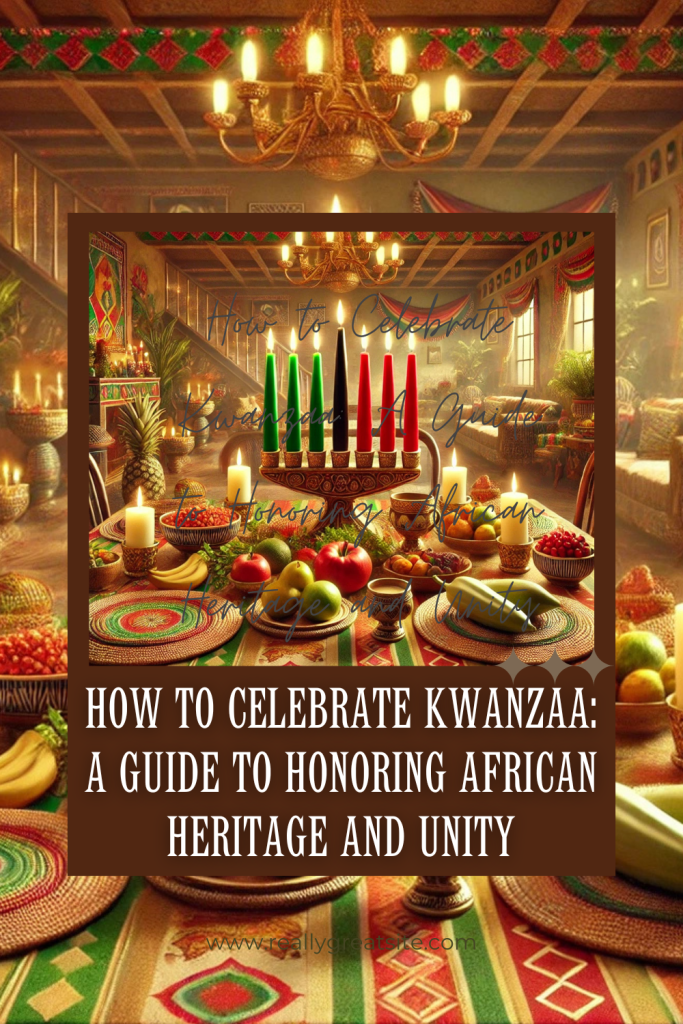
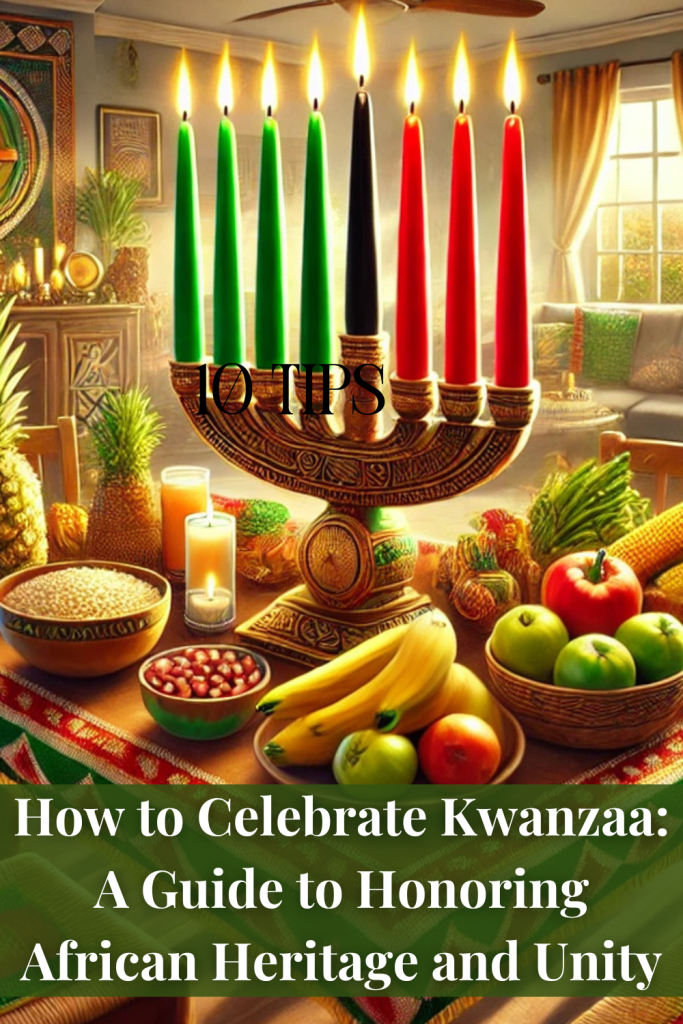
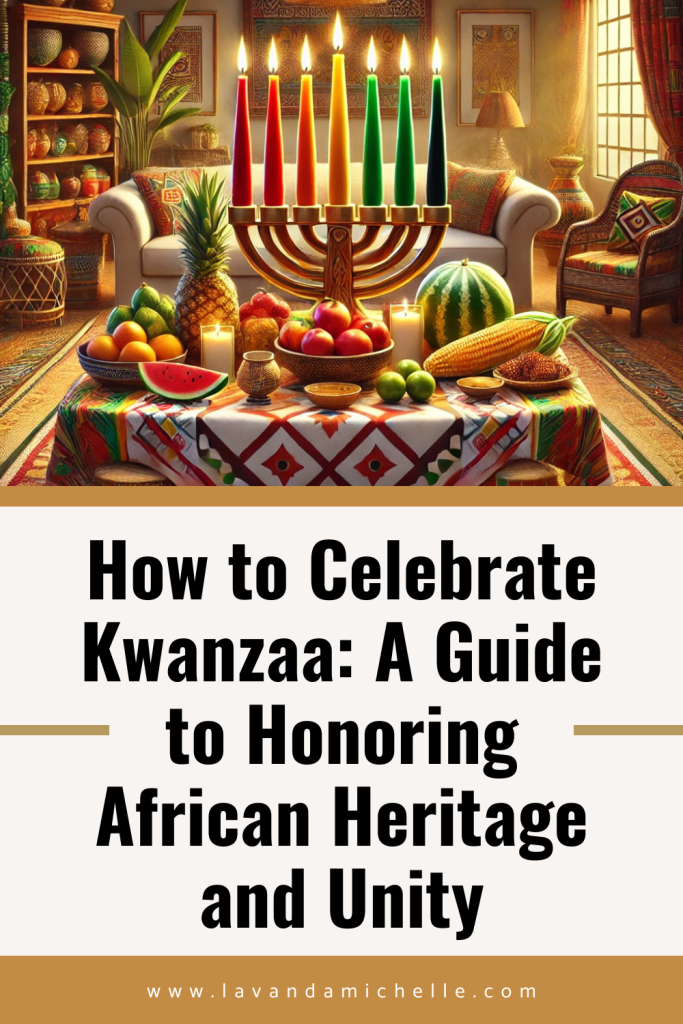
✨ Celebrate Kwanzaa with purpose and joy! Discover the seven principles, meaningful traditions, and tips for hosting a beautiful holiday. 🌿🇺🇸 #Kwanzaa #AfricanHeritage #HolidayTradition

I want to teach my kids about all cultures and heritages in meaningful ways. This breaks everything down so clearly, and I can’t wait to set up the Kwanzaa table with them.
This is such a helpful guide for celebrating Kwanzaa as a family! I love how you explain the principles and traditions—it makes teaching my kids about our culture so much easier. The feast ideas are inspiring, and I’m excited to try some of the recipes.