
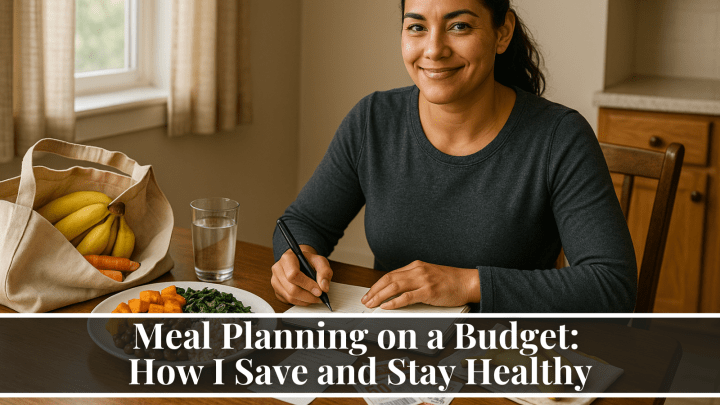
Eating Well Without Breaking the Bank
Healthy eating doesn’t have to cost a fortune. When I first started my weight loss journey, I thought meal prepping would be expensive and time-consuming. But with some simple planning and smart shopping, I discovered that meal planning on a budget is not only possible—it’s powerful. I’ve saved hundreds of dollars while nourishing my body and sticking to my health goals.

1. Set a Realistic Weekly Food Budget
I started by analyzing how much I was spending on food each week, including grocery runs and takeout. Once I set a weekly budget, I committed to staying within that limit—and it forced me to get creative.
👉 Tip: My sweet spot is $75–$100/week for a family of four with a healthy focus.

2. Create a Simple Meal Plan with Repeats
To avoid decision fatigue and waste, I build a basic meal plan and repeat meals that are nutritious, easy to prep, and crowd-pleasers.
- Breakfasts: Oatmeal, Greek yogurt with fruit, boiled eggs
- Lunches: Chicken salad, veggie wraps, leftovers
- Dinners: Stir-fry, sheet pan meals, chili
- Protein-packed snacks: Hard-boiled eggs, tuna packs, cottage cheese
👉 Hack: Base your plan on what’s on sale or in-season that week.

3. Shop with a Grocery List (and Stick to It!)
This alone has saved me hundreds. I make a list from my weekly plan and only buy what I need.
- Avoid impulse buys
- Compare unit prices
- Buy in bulk (and freeze what you don’t use)
👉 Pro Tip: I shop at discount stores like Aldi or use digital coupons through apps like Ibotta and Fetch.

4. Batch Cook and Freeze Meals
Batch cooking has become my Sunday routine. I prep proteins, roast veggies, and make large portions of soups or casseroles to store in the fridge or freezer.
- Saves time on busy nights
- Reduces food waste
- Prevents me from ordering takeout when tired

5. Use Affordable Pantry Staples
I rely on versatile staples to stretch meals further and keep costs low:
- Brown rice
- Canned beans
- Frozen veggies
- Lentils
- Pasta
- Eggs
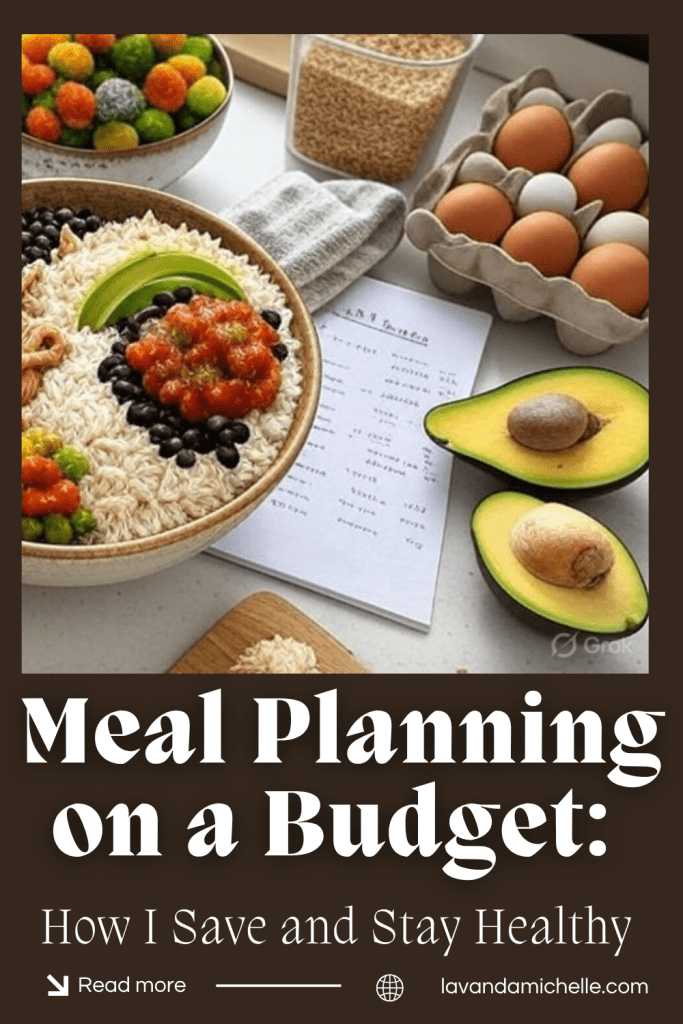
👉 Budget Meal Idea: Rice bowl with black beans, salsa, avocado, and shredded chicken.

6. Eat Less Meat, More Plants
Cutting down on meat just a few days a week made a big difference in both cost and digestion. Plant-based meals are often cheaper and just as filling.
Try:
- Chickpea curry
- Lentil soup
- Black bean tacos

7. Track Spending and Adjust
Each week, I track what I actually spent and what meals worked (or didn’t). This helps me improve my meal plan and stay on budget consistently.
Final Thoughts: You Can Eat Healthy on a Budget
Meal planning on a budget has taught me that good health doesn’t require a fancy grocery bill. With intention and a little creativity, you can fuel your body, save money, and feel good doing it.
Whether you’re planning meals for yourself or a family, the key is to start small, stay flexible, and celebrate your wins—both on the scale and at the bank.
What are your thoughts about the Meal Planning on a Budget: How I Save and Stay Healthy Please share in the comments below. I really would love to know.
Until next time, shine amongst the stars!
‘This post may contain affiliate links

If you haven’t made enough money blogging, look into taking the
Complete Guide to Make Money Blogging for only
($10… WOW 95% Off for a limited time).

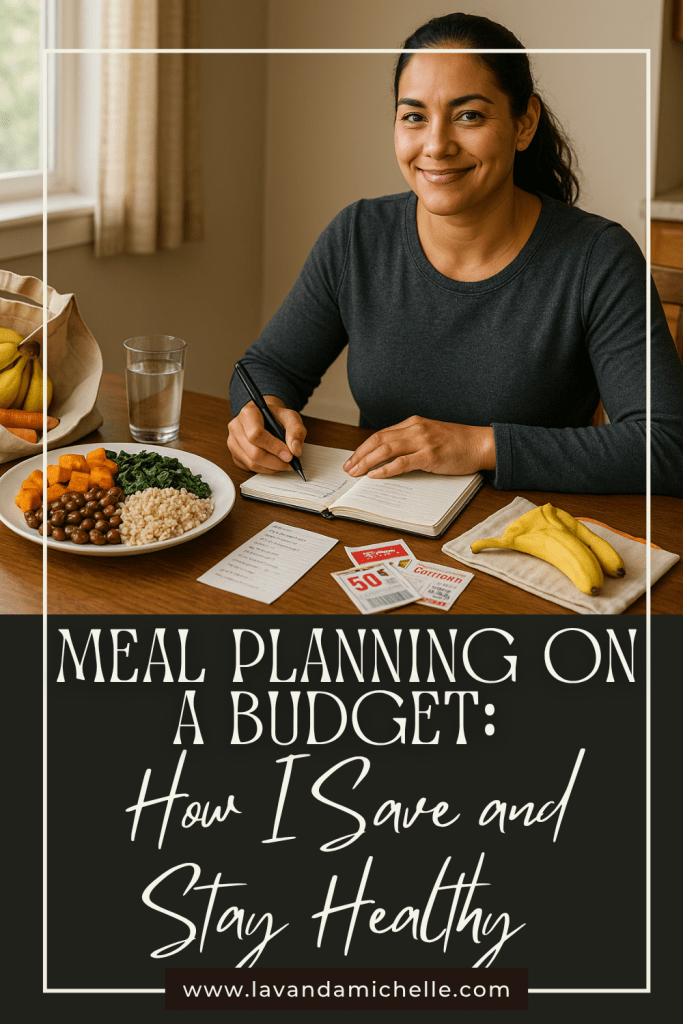
Yes, you can eat healthy without going broke! 💸 Here’s how I do meal planning on a budget—simple tips, easy recipes, and smart shopping hacks to save $$$ and stay healthy! 🥦 🍽️ 👉 #MealPrep #BudgetEating

These are great tips. I needed this so much!
I love how simple and doable you make healthy eating sound. You had me at black bean tacos! Appreciate the breakdown.
As a mom of four, I’m always looking for ways to feed my crew without emptying my wallet. Your $75–$100 budget tip made me feel seen! Meal planning really is a game-changer.
I’ve been looking for budget-friendly ideas that still feel nourishing. You nailed it! I’m pumped to try more plant-based meals now.