
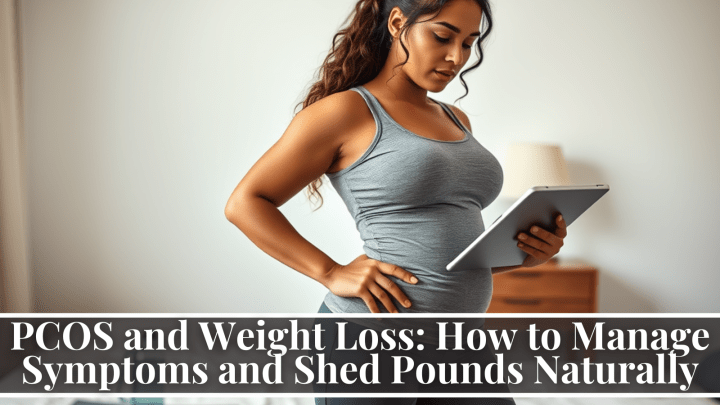
Living with PCOS (Polycystic Ovary Syndrome) can make weight loss feel frustrating and discouraging. But with the right strategies and mindset, losing weight with PCOS is absolutely possible—and it can help you manage symptoms, balance hormones, and boost your overall health.
Let’s dive into how PCOS affects your body and what realistic steps you can take to lose weight and feel your best.
What Is PCOS?
PCOS is a hormonal disorder that affects 1 in 10 women of reproductive age. It’s characterized by:
- Irregular periods or no periods at all
- Ovarian cysts
- High levels of androgens (male hormones)
- Insulin resistance
- Unwanted weight gain, especially around the abdomen
Many women with PCOS also struggle with fatigue, acne, mood swings, and fertility challenges.

Why Weight Loss Is More Difficult With PCOS
One of the main culprits? Insulin resistance. When your body doesn’t respond well to insulin, it leads to high blood sugar and increased fat storage—especially in the belly. It can also trigger cravings and energy crashes.
Slower metabolism, hormonal imbalances, and chronic inflammation can also make weight loss harder. But it’s not impossible.

How to Lose Weight With PCOS — Naturally and Effectively
1. Focus on Whole, Low-Glycemic Foods
Swap sugar-laden and highly processed foods for:
- Non-starchy veggies (spinach, broccoli, bell peppers)
- Lean proteins (chicken, eggs, tofu)
- Healthy fats (avocados, nuts, olive oil)
- Low-glycemic carbs (berries, quinoa, oats)
These help stabilize blood sugar and reduce insulin spikes.

2. Prioritize Protein
Eating protein with every meal helps:
- Reduce cravings
- Keep you full longer
- Maintain muscle mass
Aim for 20–30g of protein per meal.

3. Strength Training + Walking
Resistance training builds muscle, which improves insulin sensitivity. Combine this with daily walks or low-impact cardio to burn fat and improve mood.
4. Reduce Inflammation
Add anti-inflammatory foods like:
- Turmeric
- Green tea
- Leafy greens
- Omega-3-rich fish (salmon, sardines)
Also, avoid inflammatory triggers like soda, trans fats, and refined carbs.

5. Manage Stress & Prioritize Sleep
Stress and poor sleep raise cortisol levels, which increases belly fat and worsens insulin resistance.
Try:
- Meditation
- Journaling
- 7–9 hours of sleep per night
- Deep breathing
6. Consider Supplements (with Doctor Guidance)
- Inositol (especially Myo-Inositol)
- Omega-3s
- Vitamin D
- Magnesium
These may help with insulin sensitivity and hormone regulation.
7. Track Progress Beyond the Scale
Focus on how your clothes fit, energy levels, cycle regularity, and mood—not just pounds lost.

Final Thoughts
Weight loss with PCOS may take longer, but it’s absolutely achievable. With consistency, the right nutrition, and a bit of self-compassion, you can manage your symptoms, improve your hormone health, and feel more in control of your body.
You deserve to feel empowered—not defeated—by your diagnosis.
PCOS and Weight Loss: How to Manage Symptoms and Shed Pounds Naturally
Until next time, shine amongst the stars!
‘This post may contain affiliate links

If you haven’t made enough money blogging, look into taking the
Complete Guide to Make Money Blogging for only
($10… WOW 95% Off for a limited time).


Struggling with weight loss & PCOS? 💪 You’re not alone. Learn how to manage symptoms & lose weight naturally with these realistic tips! 🌿 #PCOSWeightLoss #HormoneHealth #PCOSSupport #WeightLossJourney

Your article complements the holistic approach I advocate in my classes. It’s informative and empowering. Thank you for promoting wellness in such an approachable way. This is a resource I’ll recommend to my students.
As a mom, managing PCOS is a daily challenge. Your article provided clarity and hope. Thank you for the practical advice. I’m feeling more empowered to take control.
Your article complements the holistic approach I advocate in my classes. It’s informative and empowering. Thank you for promoting wellness.
The dietary advice in your article aligns with best practices. It’s a valuable tool for both professionals and patients. Thank you for your thorough research. I’ll be referencing this in my consultations.
Your article is a great resource for my clients dealing with PCOS. It’s informative and practical. Thank you for contributing to health education. I’ll be sharing this widely.